

The transmission is one of the most crucial components of your vehicle, enabling power to be transferred from the engine to the wheels. Proper transmission service can extend its lifespan significantly and ensure smooth, efficient vehicle operations. Regular inspections, timely fluid changes, and addressing minor issues early can prevent costly repairs and maintain optimal performance for years to come. Understand Your Transmission Type Understanding the difference between manual and automatic transmissions is foundational to their maintenance. Manual transmissions require driver input for gear changes, while automatic systems handle gear changes electronically. Each type has unique maintenance needs that cater to their operational differences. Familiarizing yourself with these types can help tailor maintenance effectively. Knowing your vehicle's transmission type is the first crucial step in ensuring proper care. Different transmissions require specific maintenance practices. For instance, manual transmissions often need more regular clutch checks and adjustments. Automatic transmissions, on the other hand, might require electronic diagnostics due to their complexity. Understanding these needs can help you address potential issues proactively. By staying informed, you can adapt maintenance routines to suit your specific transmission. Every vehicle's transmission is designed differently, with specific guidelines set by the manufacturer. These guidelines provide important details on service intervals, fluid types, and other maintenance practices. Consulting the owner's manual ensures you adhere to these recommendations, promoting longevity and performance. Ignoring these guidelines can lead to unnecessary wear and potential failures. Understanding how your transmission works can demystify its operation and assist in maintenance. Basic knowledge of gear systems, fluid dynamics, and hydraulic operations can be advantageous. This insight allows for early problem detection, as you become more attuned to abnormal sounds or behaviors. Such knowledge also empowers you to communicate more effectively with mechanics. The differences between manual and automatic transmissions can impact fuel economy, driving experience, and transmission service requirements. For example, manual transmissions can offer more control over the vehicle but demand dedicated attention to shifting habits. Automatic transmissions might be more user-friendly but require sophisticated maintenance. Recognizing these differences can help choose the right vehicle and appropriate transmission service plans. Regular Transmission Fluid Check and Replacement Transmission fluid plays a crucial role in keeping the transmission system lubricated and cool. It reduces friction and prevents wear on moving parts, ensuring smooth gear changes. Over time, the fluid can degrade, impacting transmission function. According to Consumer Reports, transmission fluid should be checked whenever your vehicle undergoes an oil change, typically every 3,000 to 10,000 miles. Proper fluid maintenance can significantly extend the life of your transmission. Regularly checking transmission fluid levels is essential to maintain transmission health. Indicators such as delayed gear shifts, strange noises, or poor vehicle performance may signal low fluid levels. Transmission fluid should be topped off alongside regular oil changes to ensure levels remain adequate. Waiting until the vehicle's performance degrades can lead to costly issues. Catching fluid level deficiencies early prevents larger transmission failures. Over time, transmission fluid can become contaminated or degraded, impacting performance. Indicators of dirty fluid include a burnt smell, dark color, or visible particulates. Such signs suggest the fluid is compromised and needs replacement. Failing to address dirty fluid can result in increased wear and potential transmission failure. Regularly monitoring the condition of transmission fluid is as important as ensuring its quantity. Replacing transmission fluid is a straightforward process that enhances transmission longevity. Begin by locating the transmission fluid dipstick and checking the fluid's condition. If replacement is needed, drain the old fluid, replace the filter, and refill with the suitable type. It's advisable to adhere to the manufacturer's instructions regarding fluid type and quantity. Regular fluid replacement ensures optimal transmission functionality. Selecting the correct transmission fluid is important for maintaining system integrity. Different vehicles require specific fluid types based on viscosity, chemical composition, and performance characteristics. Using the wrong fluid can lead to poor lubrication, gear slippage, and potential damage. Consult the owner's manual or a professional mechanic to confirm the suitable fluid type for your vehicle. Recognizing Warning Signs of Transmission Problems Noises such as whining, clunking, or humming can indicate the need for transmission service. Vibrations during gear shifts might also suggest looming problems. Addressing these signs early can prevent escalation into severe damage. Regular inspections can help identify the specific cause of such anomalies. Prompt action in response to strange noises or vibrations can save on costly repairs. Difficulties in shifting gears can be one of the first visible signs of transmission trouble. Such issues might present as reluctance to change gears, gear slipping, or sudden surges. These problems are often linked to fluid deficiencies, mechanical wear, or clutch malfunctions. Early intervention is necessary to address the root cause effectively. Recognizing gear shift issues can prevent severe transmission failures. Transmission fluid leaks can lead to significant problems if left unaddressed. Puddles of red or brown fluid beneath your car are primary indicators of leaks. Leaks are commonly caused by worn seals, cracks in the transmission pan, or damaged lines. Addressing leaks early prevents fluid loss and further transmission damage. A burnt odor or smoke emanating from your vehicle is a serious warning sign. Such symptoms often indicate overheating, inadequate fluid levels, or internal damage. Immediate investigation is vital to prevent further transmission deterioration. Regular fluid checks and avoiding overexertion, like excessive towing, can mitigate such risks. Recognizing burnt odors helps promptly address critical transmission issues. Unexplained increases in engine RPMs can often be traced back to transmission problems. This symptom typically arises from an inability to properly change or maintain gears. It might indicate slipping gears or improper fluid levels. Addressing this early can prevent a small issue from escalating into costly damage. Schedule Regular Transmission Maintenance Scheduled maintenance is key to prolonging transmission life. Routine checks ensure fluid levels, component condition, and system functionality are optimal. Manufacturer guidelines provide a framework for maintenance intervals and specific tasks. Sticking to this schedule improves vehicle performance and prevents costly breakdowns. Establishing and adhering to a regular maintenance schedule is fundamental for transmission health. Regular inspections of transmission components can identify potential issues early. Key areas for inspection include seals, fluid lines, and the clutch in manual transmissions. Early detection of wear allows for corrective action before failures occur. Visual inspections paired with professional diagnostics offer comprehensive oversight. Professional diagnostics can detect underlying problems not immediately visible. Technicians employ advanced tools and technology for accurate assessments. Routine diagnostic checks provide insights into performance, efficiency, and potential issues. By identifying problems early, costly repairs and downtime can be avoided. Trusting professionals with diagnostic tasks ensures comprehensive maintenance. Regular transmission service offers numerous benefits, including improved performance and a longer lifespan. Scheduled services often include fluid checks, component inspections, and software updates. These services play a critical role in peak performance and reliability. Consistent servicing prevents minor issues from developing into significant problems. Record-keeping is an integral aspect of effective transmission maintenance. Detailed logs of services, checks, and repairs provide valuable insight into vehicle condition. Such records facilitate future diagnostics and decision-making. They also benefit resale value, demonstrating consistent upkeep. Investing time and effort into transmission service can pay off significantly, enhancing your vehicle's performance and ensuring reliability. By following these items, you can keep your transmission running smoothly for years. Trust the experts at Superior Transmissions & Auto to provide the professional care and maintenance your vehicle's transmission needs. Schedule your service today and drive with confidence.
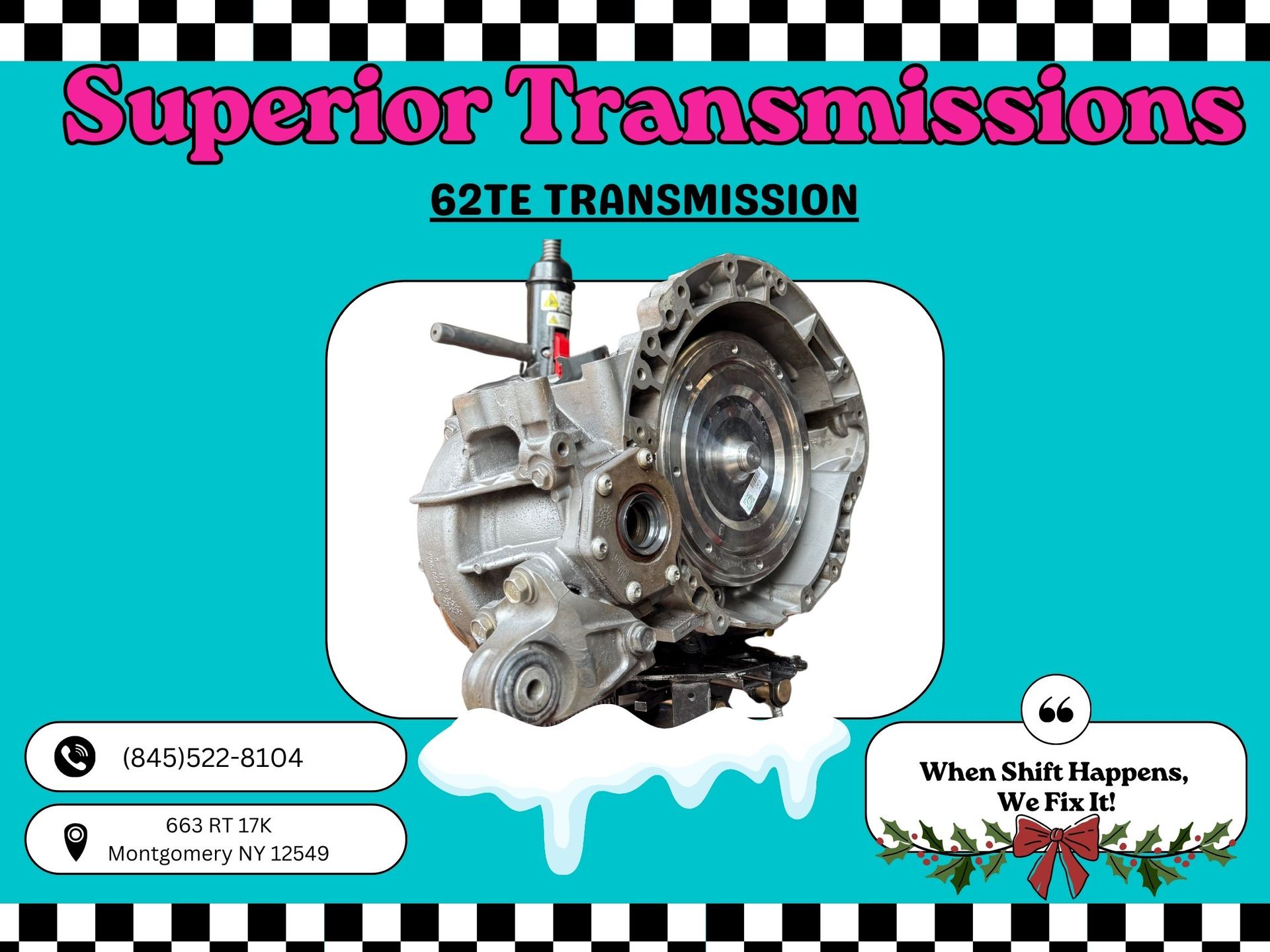
Understanding the 62TE Transmission: Common Issues, Symptoms, and How We Build Them Better
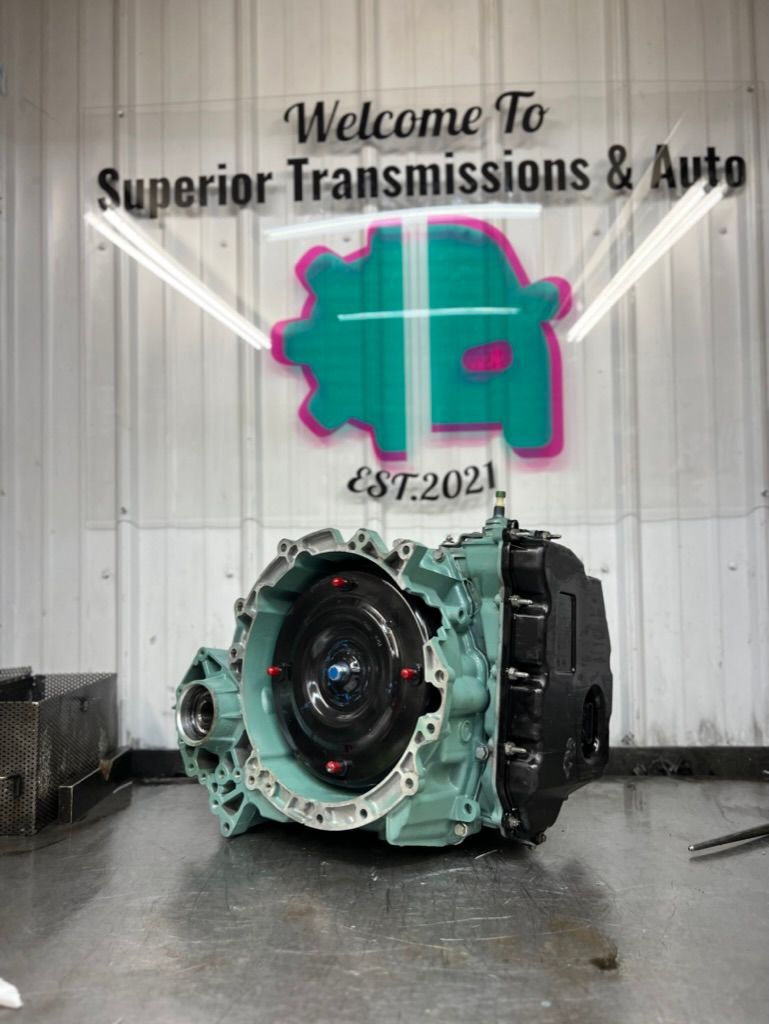
Understanding the 6F35 Transmission: