February 27, 2026
Dodge Transmission Problems:
Dodge vehicles have a reputation for power and performance. Whether it’s a Ram truck built for work or a Charger built for speed, these vehicles are designed to handle more than the average daily driver. But that performance comes at a cost especially when it comes to the transmission.
Like any major component, transmissions wear over time. The difference is that transmission problems rarely stay small for long. If you drive a Dodge and something feels off, catching the early warning signs can make the difference between a simple repair and a full rebuild.
Early Signs of Dodge Transmission Trouble
Most transmission failures don’t happen overnight. They usually start with subtle symptoms that are easy to ignore at first.
One of the most common early warning signs is rough or delayed shifting. If your Dodge hesitates when going into gear or shifts harder than it used to, that’s often the transmission trying to tell you something isn’t right. Some drivers also notice slipping when the engine revs but the vehicle doesn’t accelerate the way it should.
Other early symptoms may include:
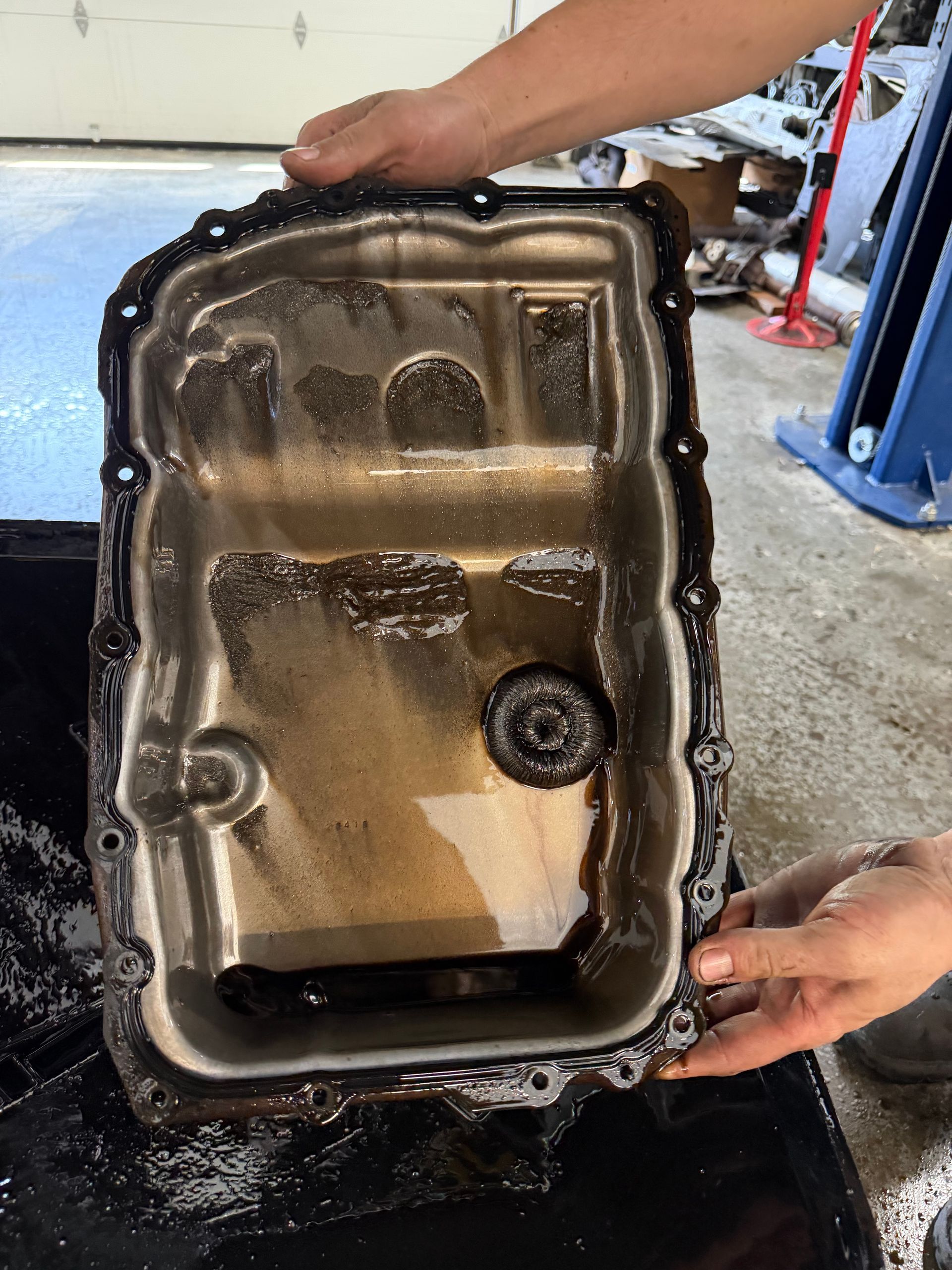
- Small transmission fluid leaks
- A burning smell after driving
- Strange noises like whining or clunking
- A check engine light with no obvious cause
These issues may seem minor at first, but they often point to bigger problems developing internally.
Why Dodge Transmissions Develop Issues
A big reason we see transmission problems in Dodge vehicles is simply how they’re used. Many Dodge owners rely on their vehicles for towing, hauling, or other heavy-duty driving. That extra stress creates heat, which is one of the biggest enemies of any transmission.
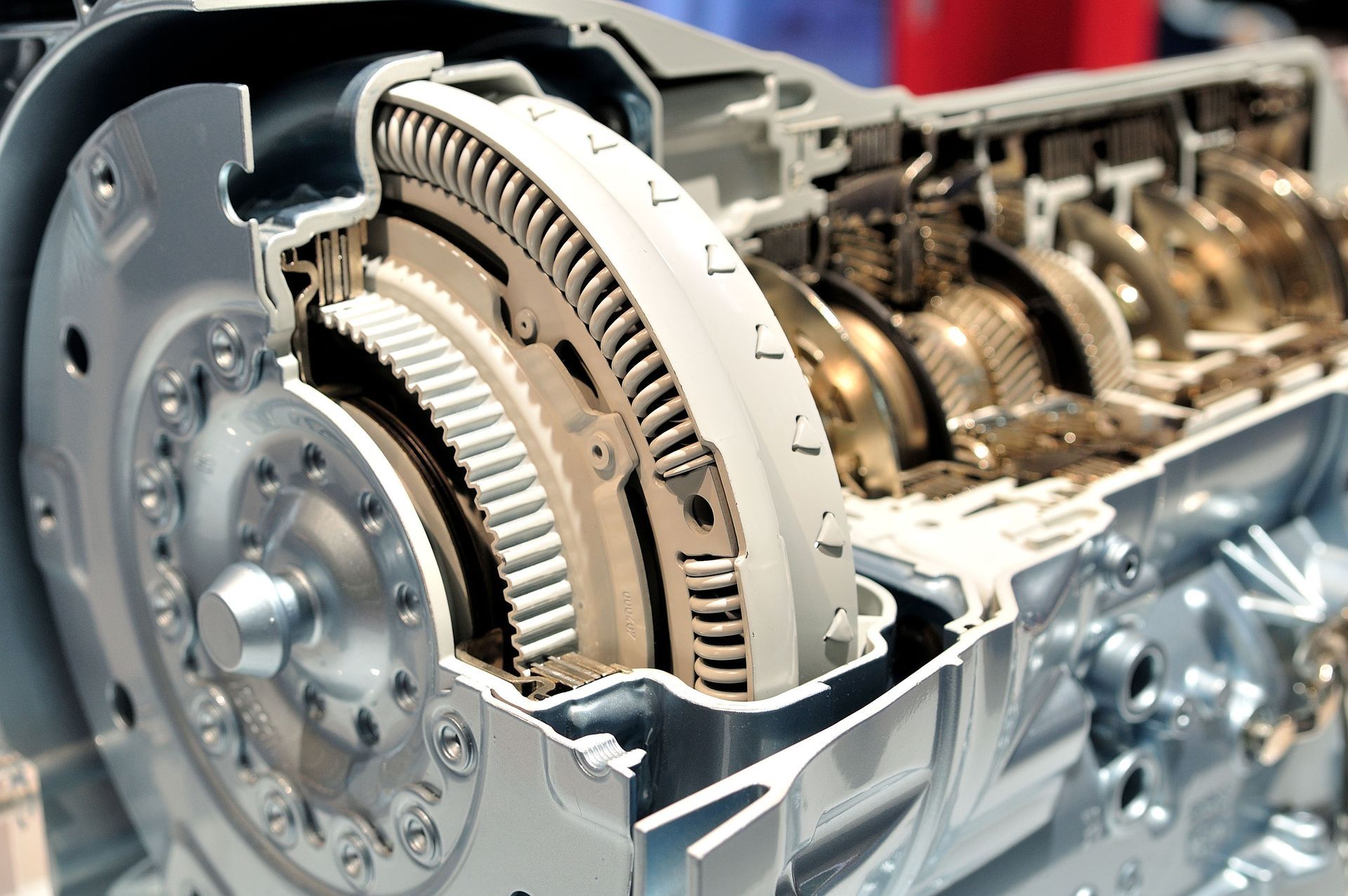
Modern transmissions are also far more complex than they used to be. Today’s Dodge transmissions rely heavily on electronics, including sensors, solenoids, and computer controls that manage shift timing and pressure. When one part of that system fails, it can create symptoms that feel mechanical even if the root cause is electronic.
Because of that complexity, proper diagnosis is more important than ever.
What Happens If You Ignore the Signs
One of the most common patterns we see is drivers waiting too long to have their transmission checked. It’s understandable transmission problems can feel intimidating, and many people hope the issue will go away on its own.
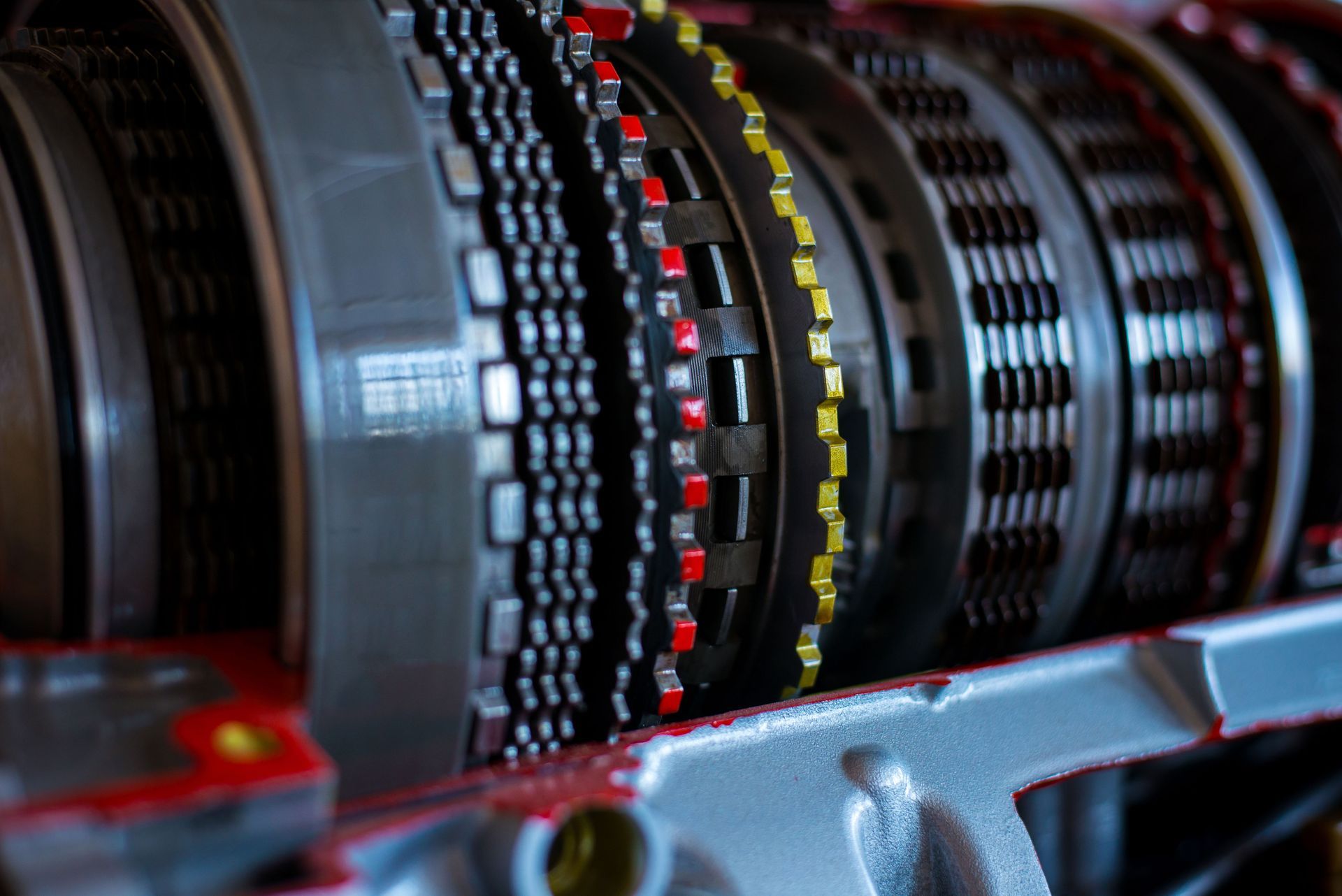
Unfortunately, transmissions don’t usually fix themselves. A small issue like a fluid leak or failing solenoid can often be repaired if caught early. But once internal components like clutches or torque converters start to fail, damage spreads quickly.
By the time a transmission is slipping badly or struggling to move the vehicle, a rebuild is often the most reliable solution.
Why Diagnosis Matters
Not every transmission problem requires a rebuild, which is why proper diagnosis is so important. Some issues are external or electronic and can be resolved without tearing the transmission apart. Others require a deeper look to determine the extent of internal damage.
A thorough transmission diagnosis should include a road test, scanning for diagnostic codes, fluid inspection, and a mechanical evaluation. Skipping any of those steps can lead to misdiagnosis or temporary fixes that don’t last.
The Value of a Transmission Specialist
Modern transmissions are one of the most complex systems in today’s vehicles. Between mechanical components and computer controls, diagnosing and repairing them requires specialized experience.
At Superior Transmissions and Auto, transmissions aren’t just another service; they're our focus. From diagnostics and programming to complete in-house rebuilds, we handle the entire process under one roof. That allows us to give customers clear answers and long-term solutions instead of guesswork.
We also regularly see vehicles that were previously worked on elsewhere but never properly diagnosed. In many cases, starting with a transmission specialist can save time, money, and frustration.
Paying Attention to How Your Dodge Drives
One of the best things you can do as a driver is pay attention to changes in how your vehicle feels. If your Dodge starts shifting differently, making new noises, or just doesn’t drive the way it used to, it’s worth getting it checked out.
Transmission problems tend to get worse over time, not better. Catching them early can prevent unexpected breakdowns and help you make informed decisions about repairs.
Whether you drive your Dodge for work, daily driving, or both, staying ahead of transmission issues is the best way to keep it reliable for the long haul.