May 19, 2026
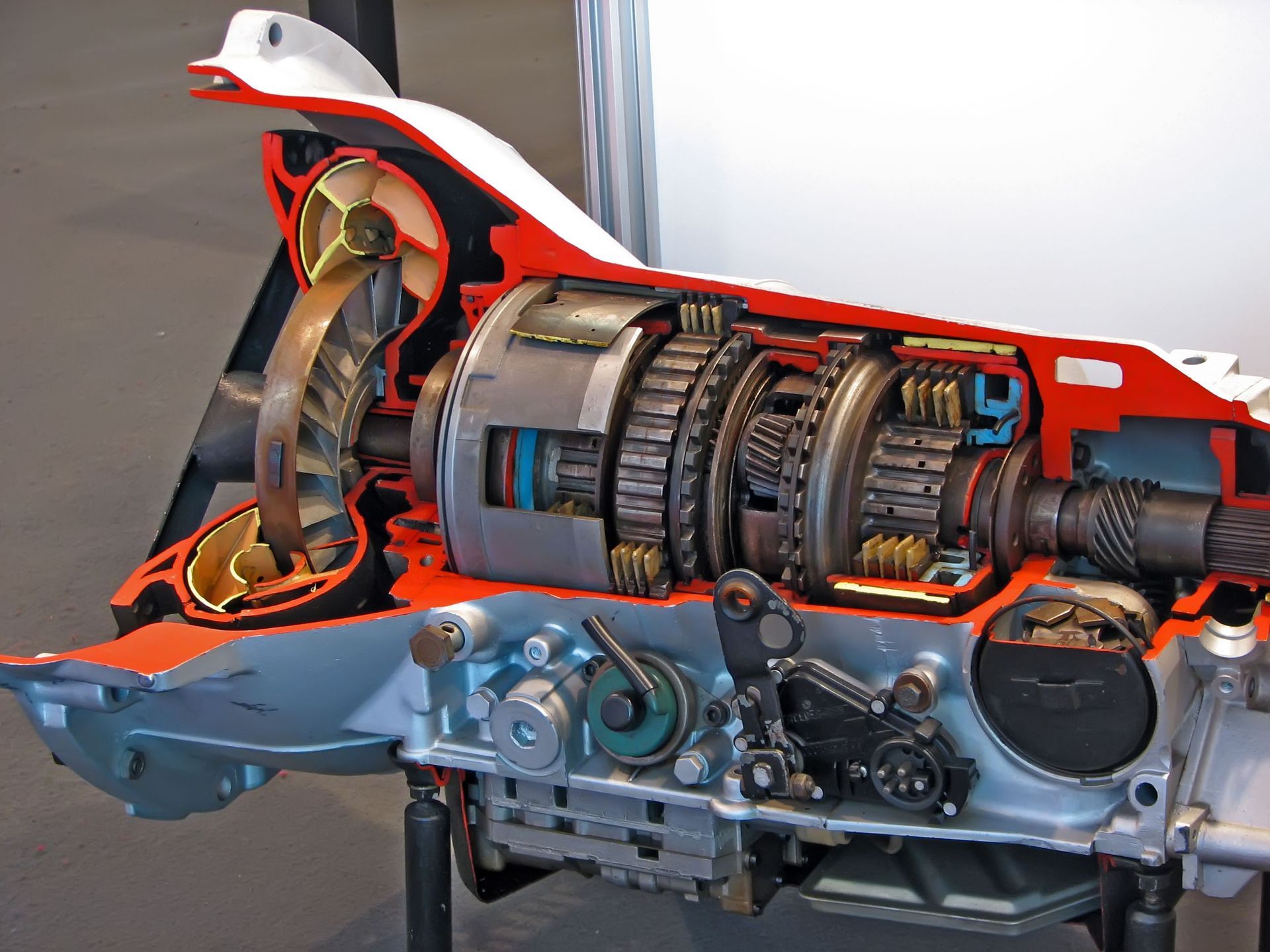
Vehicle owners often focus on oil changes, tire maintenance, and brake inspections while overlooking the importance of the transmission system. The transmission plays a major role in transferring engine power to the wheels and helping a vehicle shift smoothly between gears. When this system begins to fail, drivers may notice delayed shifting, unusual noises, slipping gears, or warning lights appearing on the dashboard. Small performance issues can quickly develop into larger mechanical concerns when they are ignored for long periods of time.
Many drivers eventually require transmission repair because early warning signs were not addressed before the damage spread throughout the system. Understanding the common causes of transmission problems can help vehicle owners recognize risks before repairs become more expensive and disruptive. Proper maintenance and responsible driving habits often play a major role in extending the lifespan of the transmission. Paying attention to changes in vehicle performance can help drivers avoid unexpected breakdowns and costly mechanical failures in the future.
Ignoring Routine Fluid Maintenance
Transmission fluid is one of the most important components involved in keeping the system operating properly. The fluid lubricates moving parts, helps regulate temperature, and supports smoother gear transitions during daily driving conditions. Over time, fluid can become dirty, contaminated, or depleted, which reduces its ability to protect internal components from wear. Low or damaged fluid may cause overheating, rough shifting, or grinding sounds that indicate developing mechanical problems.
Many vehicle owners do not realize how quickly neglected fluid maintenance can increase the likelihood of needing transmission repair later. According to Kelley Blue Book, drivers should have their vehicles inspected by a qualified mechanic at least once every year to help identify developing issues before they worsen. Consistent fluid inspections and timely replacements can help extend transmission performance and reduce long-term mechanical stress on the vehicle.
Overheating Internal Transmission Components
Excessive heat is one of the leading contributors to transmission damage in both older and newer vehicles. High operating temperatures may develop when fluid levels are low, cooling systems malfunction, or heavy towing places additional strain on the drivetrain. Heat can gradually break down seals, damage internal clutches, and reduce the effectiveness of transmission fluid over time.
Drivers who frequently sit in stop-and-go traffic or operate vehicles under heavy loads may place greater stress on the transmission system. Persistent overheating often creates conditions that eventually result in transmission repair if the issue remains unresolved for too long. Warning signs such as burning smells, delayed acceleration, or dashboard alerts should never be ignored because they may indicate rising temperatures within the system. Preventive inspections and proper cooling system maintenance can help reduce the risk of heat-related transmission failures.
Developing Problems Through Aggressive Driving Habits
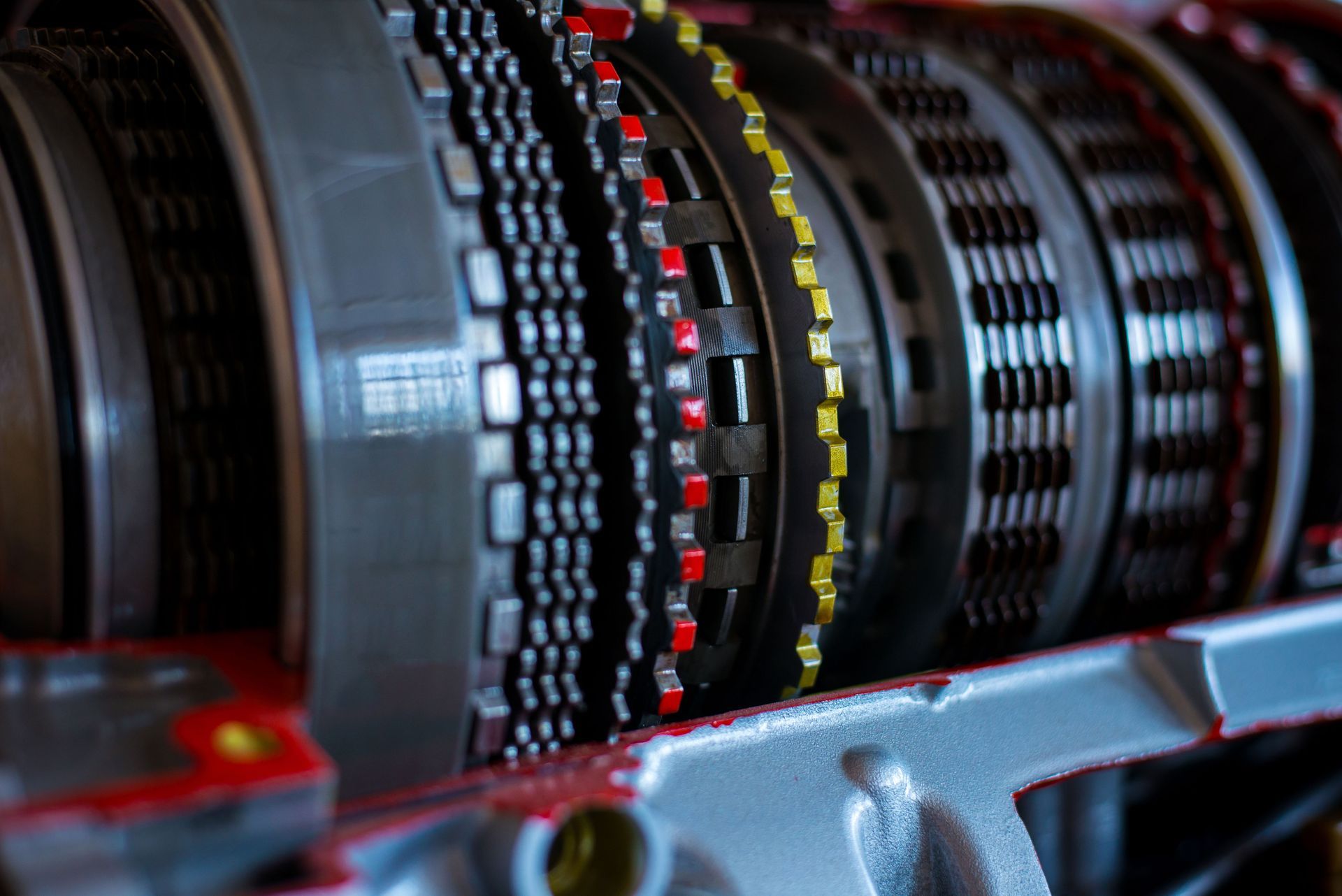
Driving behavior can have a significant impact on the long-term condition of a vehicle’s transmission system. Sudden acceleration, abrupt braking, and rapid gear shifting place additional pressure on internal components during operation. Aggressive driving habits may increase wear on gears, clutches, and bands that are responsible for maintaining smooth performance.
Repeated strain over time can gradually weaken the system and lead to noticeable shifting problems while driving. Many mechanics encounter vehicles requiring transmission repair because harsh driving conditions accelerated internal wear faster than expected. Drivers who consistently overload their vehicles or tow beyond recommended limits may also increase stress on the transmission. Maintaining smoother driving habits can help reduce unnecessary strain and improve the overall lifespan of the vehicle’s drivetrain components.
Allowing Minor Leaks to Become Larger Issues
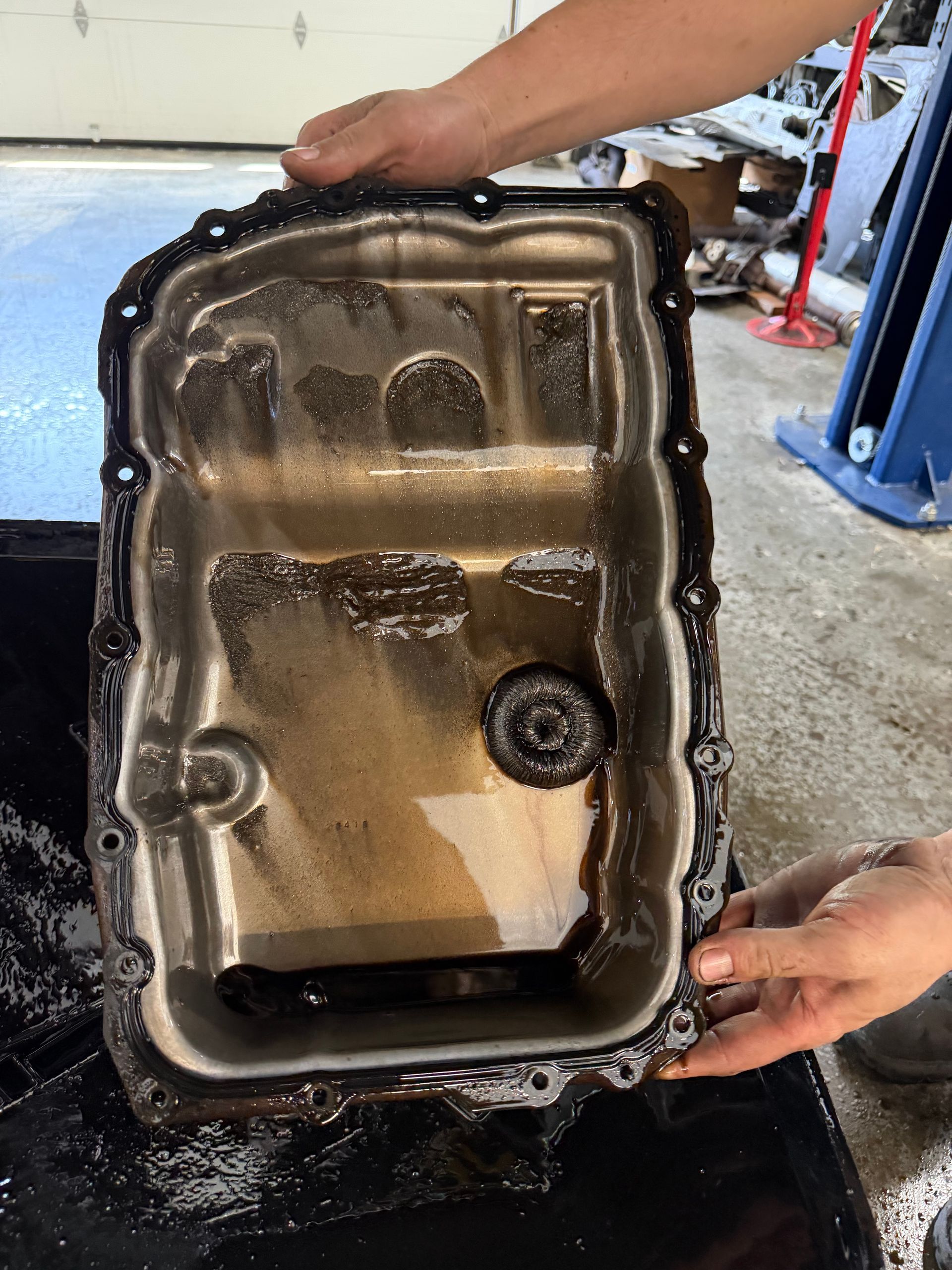
Small transmission leaks may seem insignificant at first, but they can quickly create major mechanical concerns if left untreated. Leaks often develop around seals, gaskets, fluid lines, or transmission pans as components age and experience wear. Even minor fluid loss can reduce lubrication levels and increase friction inside the transmission system during operation.
Drivers may notice red or dark-colored fluid beneath the vehicle, delayed shifting, or unusual noises that suggest a leak is developing. Ignoring these signs can eventually create severe internal damage that requires extensive transmission repair to restore proper function. Routine inspections help mechanics identify leaks early before they result in overheating or complete system failure. Addressing fluid leaks promptly can protect critical components and reduce the likelihood of more expensive repairs later.
Neglecting Warning Signs During Daily Driving
Many transmission problems become more serious because drivers continue operating their vehicles despite obvious warning signs. Delayed shifting, slipping gears, vibrations, and strange sounds are often indicators that the transmission is under stress or beginning to fail. Some vehicle owners postpone inspections because the symptoms appear inconsistent or temporarily disappear during certain driving conditions.
Unfortunately, minor symptoms rarely resolve on their own and often continue worsening over time without professional attention. Drivers who delay transmission repair may eventually face larger mechanical failures that affect vehicle reliability and safety. Dashboard warning lights should also be taken seriously because modern vehicles use sensors designed to detect performance abnormalities before breakdowns occur. Responding quickly to unusual vehicle behavior can help mechanics diagnose issues earlier and potentially reduce overall repair costs.
Using Incorrect or Contaminated Fluids
Not all transmission fluids are designed for every type of vehicle, and using the wrong product can create serious mechanical issues. Different manufacturers recommend specific fluid formulations based on the design and operating requirements of the transmission system. Incorrect fluid may reduce lubrication quality, interfere with shifting performance, or increase internal friction between moving parts.
Contaminated fluid containing debris or moisture can also damage delicate components and reduce the efficiency of the transmission. Some drivers unknowingly contribute to future transmission repair problems by delaying maintenance or using low-quality replacement fluids. Professional service technicians understand which products are appropriate for specific vehicle models and can help ensure proper system performance. Using clean and manufacturer-approved fluids supports smoother operation and helps protect important transmission components from unnecessary wear.
Overlooking Problems With Related Vehicle Systems
Transmission performance often depends on the condition of several related vehicle systems working together properly. Cooling systems, engine components, sensors, and electronic controls all influence how efficiently the transmission operates during daily driving. A malfunctioning radiator or damaged sensor may create problems that indirectly place additional stress on the transmission system over time.
Electrical issues can also interfere with communication between components and result in irregular shifting patterns or reduced performance. Some vehicle owners eventually require transmission repair because related mechanical problems were ignored for too long before being properly diagnosed. Comprehensive inspections allow mechanics to identify how connected systems may be affecting transmission reliability and overall vehicle operation. Addressing these supporting issues early can help prevent unnecessary strain and maintain smoother driving performance.
Delaying Professional Inspections and Maintenance
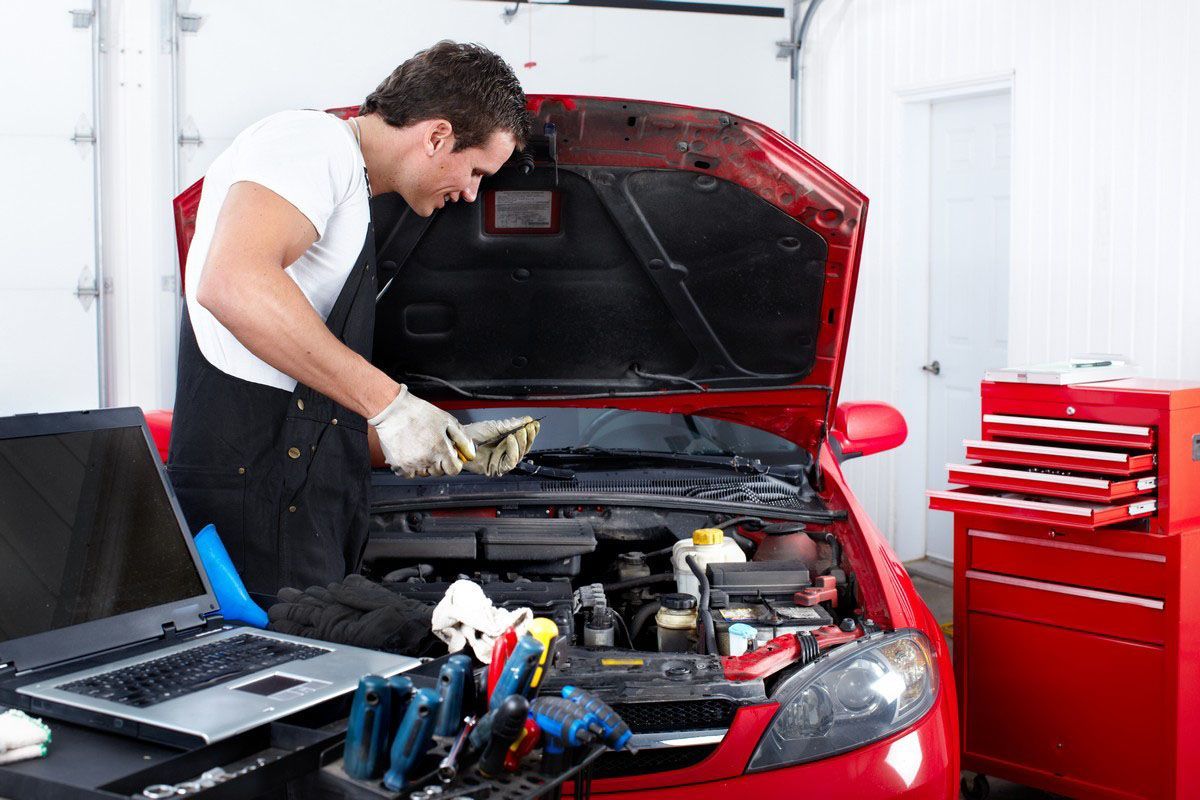
Preventive maintenance is one of the most effective ways to reduce the risk of serious transmission problems developing unexpectedly. Many drivers wait until major symptoms appear before scheduling inspections, even though smaller issues may have been present for months. Professional mechanics can often identify worn components, fluid concerns, or performance irregularities before they lead to complete system failure.
Routine service appointments also provide opportunities to replace aging parts and monitor transmission performance under normal operating conditions. Vehicle owners who postpone transmission repair inspections may unintentionally allow manageable issues to become more extensive and expensive over time. Consistent maintenance schedules help improve reliability while reducing the likelihood of sudden breakdowns that disrupt daily transportation needs. Investing in preventive care often saves drivers money by addressing problems earlier, before severe internal damage occurs.
Superior Transmissions & Auto is committed to helping drivers maintain dependable vehicle performance through professional diagnostics, maintenance, and repair solutions. If your vehicle is showing signs of shifting problems, fluid leaks, or unusual transmission behavior, our team is ready to help. Contact us today for reliable transmission repair services designed to keep your vehicle operating safely and efficiently for the road ahead.