April 24, 2026
Your vehicle’s transmission is one of the most intricate and essential systems working behind the scenes every time you drive. It is responsible for transferring power from the engine to the wheels, ensuring smooth acceleration, proper speed control, and overall drivability. When the transmission begins to fail, the effects can be immediate and disruptive, impacting everything from performance to safety.
Over time, wear and tear naturally affect transmission components, especially in vehicles that have been on the road for many years. This gradual deterioration often leads to a range of issues that, if left unaddressed, can escalate into serious mechanical problems.
Transmission rebuilds offer a comprehensive solution by restoring the internal components of the system rather than replacing the entire unit.
According to Kelley Blue Book, the typical vehicle operating on roads in the United States is nearly 13 years old, which means many drivers are relying on aging vehicles that may require more advanced maintenance and repairs. Understanding the common issues addressed during transmission rebuilds can help you recognize early warning signs and make informed decisions about your vehicle’s care.
1. Identify Worn Clutch Components
One of the most frequently addressed issues during transmission rebuilds involves worn clutch components. The clutch plays a critical role in managing the connection between the engine and the transmission. It allows the driver to shift gears smoothly and ensures that power is transferred efficiently without causing unnecessary strain on the system.
As the clutch experiences repeated use, its friction materials begin to wear down. This wear can lead to slipping, where the engine revs but the vehicle does not accelerate as expected. Drivers may also notice difficulty shifting gears or a delay in engagement when attempting to move from a stopped position.
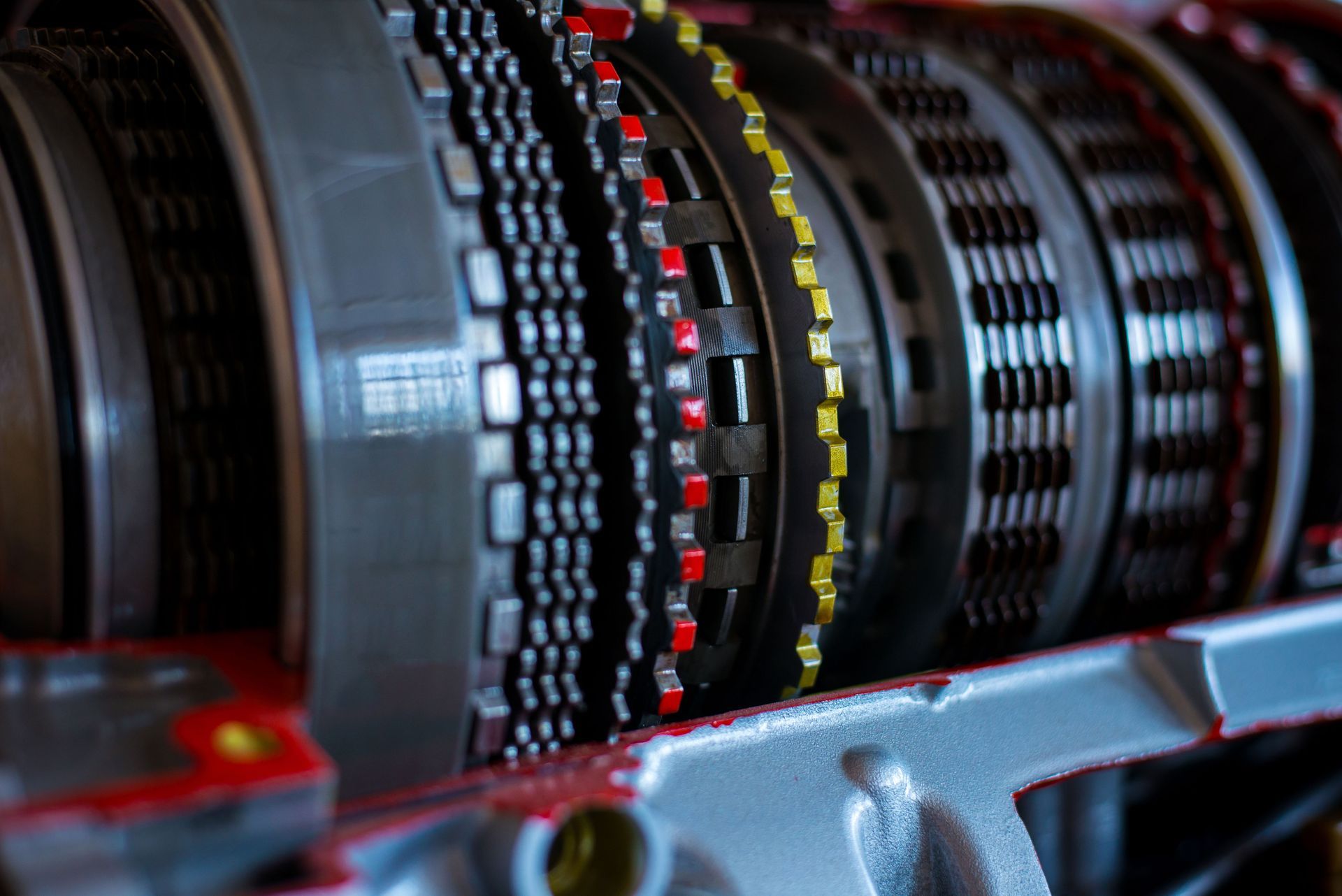
During a rebuild, technicians carefully inspect the clutch assembly, including discs, plates, and related components. Worn parts are replaced to restore proper functionality. This process not only improves performance but also helps protect other transmission components from additional stress.
Restoring the clutch ensures smoother operation and enhances the overall driving experience. It also contributes to better control, especially in situations that require precise gear changes, such as stop-and-go traffic or highway merging.
2. Repair Damaged Gear Sets
Gear sets are the backbone of any transmission system. They determine how power is distributed and how efficiently the vehicle operates at different speeds. Over time, these gears can become worn, chipped, or misaligned due to continuous use and internal stress.
When gear sets are damaged, drivers may hear grinding noises or feel resistance when shifting gears. These symptoms can indicate that the gears are no longer meshing properly, which can lead to further internal damage if not addressed.
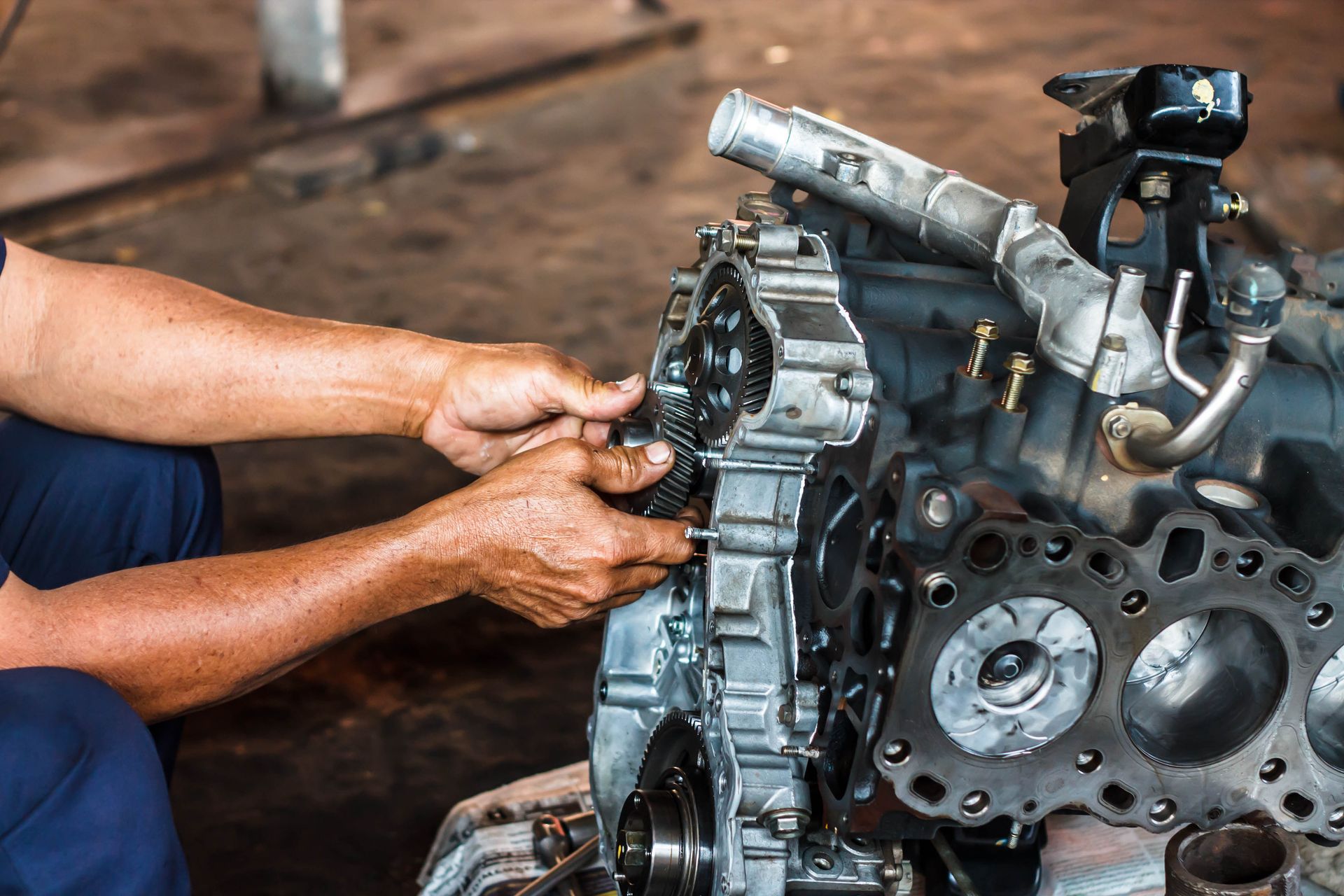
During transmission rebuilds, each gear is carefully examined for signs of wear or structural issues. Damaged gears are replaced or reconditioned to ensure proper alignment and smooth operation. This meticulous attention to detail helps restore the transmission’s ability to shift seamlessly between gears.
Repairing gear sets is essential for maintaining consistent performance and preventing more severe mechanical failures. When gears function correctly, the entire transmission system operates more efficiently, reducing strain on surrounding components.
3. Replace Faulty Seals and Gaskets
Seals and gaskets may seem like minor components, but they play a vital role in maintaining the integrity of the transmission system. These parts are responsible for keeping transmission fluid contained and preventing leaks that could compromise performance.
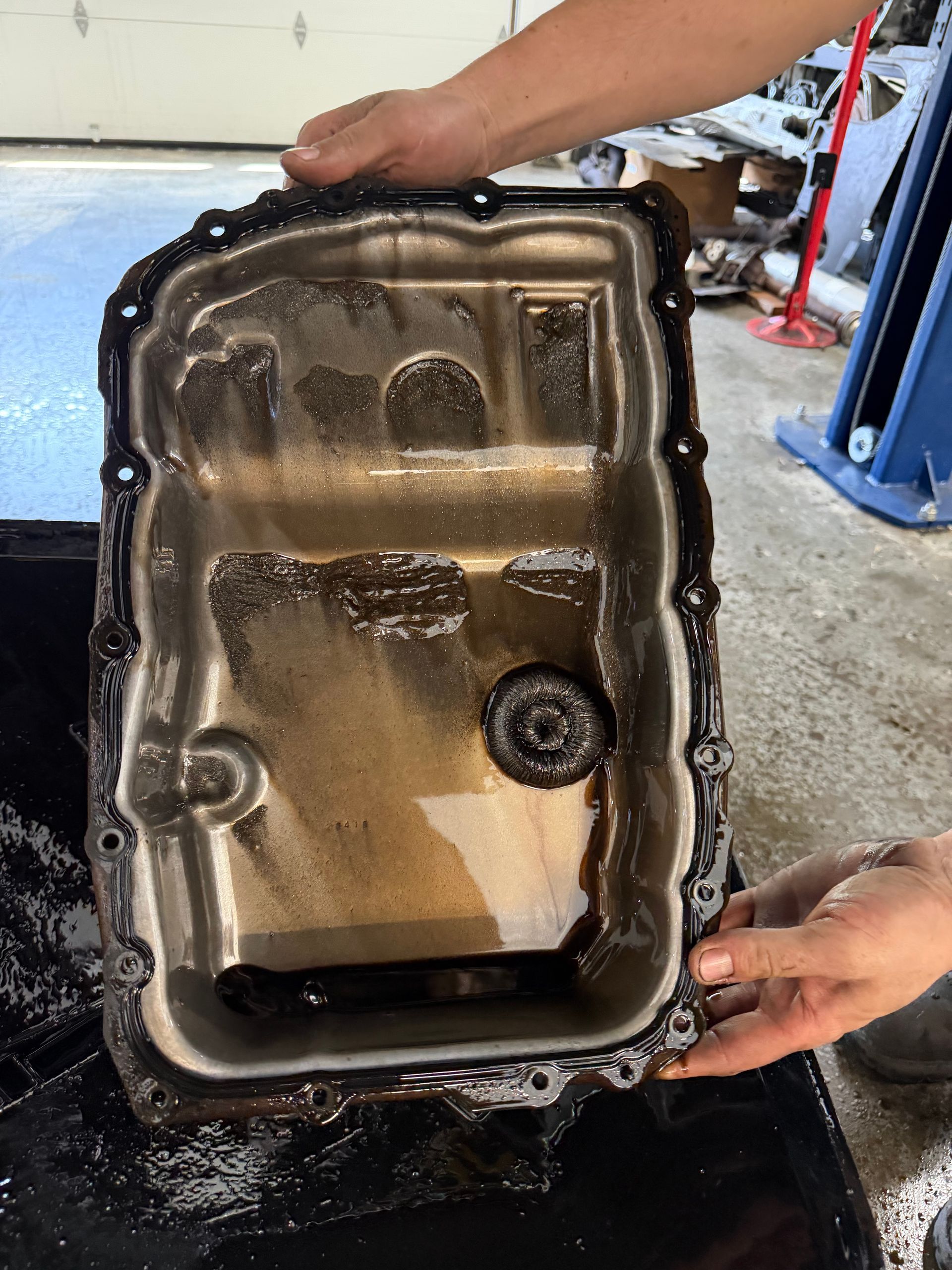
Over time, seals and gaskets can deteriorate due to heat, pressure, and exposure to fluid. When they fail, transmission fluid may begin to leak, leading to reduced lubrication and increased friction within the system. This can cause overheating and accelerated wear on internal components.
During transmission rebuilds, all seals and gaskets are inspected and replaced as needed. This ensures that the system remains properly sealed and that fluid levels are maintained. A secure and leak-free transmission is essential for optimal performance and longevity.
By addressing these components during a rebuild, technicians help prevent future issues and maintain the efficiency of the entire system. Proper sealing also supports consistent fluid pressure, which is crucial for smooth gear changes.
4. Address Torque Converter Problems
The torque converter is a key component in automatic transmissions, responsible for transferring power from the engine to the transmission. It allows the vehicle to come to a stop without stalling and provides smooth acceleration when moving forward.
When the torque converter begins to fail, drivers may experience symptoms such as slipping, shuddering, or delayed acceleration. These issues can make the vehicle feel unresponsive and difficult to control, particularly during low-speed driving.
During transmission rebuilds, the torque converter is thoroughly inspected to identify any signs of damage or malfunction. In many cases, it is repaired or replaced to restore proper operation. Ensuring that the torque converter functions correctly is essential for maintaining smooth power delivery.
Addressing torque converter problems during a rebuild helps improve overall performance and reduces the likelihood of additional transmission issues. A properly functioning converter enhances both efficiency and drivability.
5. Restore Valve Body Functionality
The valve body serves as the control center of the transmission, directing fluid to various components to facilitate gear changes. It contains a network of channels and valves that regulate pressure and ensure that the transmission responds accurately to driver input.
Over time, the valve body can become clogged with debris or experience wear that affects its ability to function properly. This can lead to erratic shifting, delayed engagement, or harsh transitions between gears.
Transmission rebuilds often include cleaning, repairing, or replacing the valve body to restore proper fluid flow. Technicians carefully examine this component to ensure that all passages are clear and that the valves are operating as intended.
Restoring valve body functionality is crucial for achieving smooth and consistent shifting. It allows the transmission to respond more precisely, improving the overall driving experience and reducing unnecessary strain on the system.
6. Fix Overheating and Fluid Contamination
Overheating is one of the most damaging conditions a transmission can experience. Excessive heat can break down transmission fluid, reducing its effectiveness as a lubricant and coolant. This leads to increased friction and wear on internal components.
Fluid contamination is another common issue, as debris and worn particles can circulate within the system. These contaminants can interfere with the operation of critical components and accelerate the deterioration of the transmission.
During transmission rebuilds, technicians thoroughly clean the entire system to remove debris and contaminants. Old fluid is replaced with fresh, high-quality fluid that provides proper lubrication and cooling.
Addressing overheating and contamination is essential for restoring the transmission’s reliability. By ensuring that the system operates within optimal conditions, technicians help extend its lifespan and improve performance.
Transmission problems can develop gradually, often starting with subtle changes in performance that may go unnoticed at first. However, these issues can quickly escalate if they are not addressed in a timely manner. Transmission rebuilds provide a comprehensive solution by targeting the root causes of these problems and restoring the system to proper working condition.
From worn clutch components to overheating and fluid contamination, each issue plays a significant role in the overall health of your transmission. By understanding these common concerns, you can better recognize when your vehicle may benefit from professional service.
Investing in timely repairs and maintenance helps ensure that your vehicle remains reliable and efficient. A well-executed rebuild not only improves performance but also provides peace of mind, allowing you to drive with confidence.
At Superior Transmissions & Auto, we are committed to delivering high-quality transmission rebuilds that keep your vehicle running smoothly. We take a thorough and professional approach to every repair, ensuring that each component is carefully inspected and restored. Our team focuses on providing dependable solutions that enhance performance and extend the life of your transmission. If you are experiencing signs of transmission trouble, we are here to help you get back on the road with confidence and reliability.