February 24, 2026
A failing transmission is one of the most stressful issues a driver can face, largely because your vehicle depends on smooth gear shifts to operate safely and efficiently. When early warning signs go unnoticed, what starts as a minor performance problem can escalate into a costly repair or a full transmission replacement. Understanding the symptoms can help you take action before the damage becomes irreversible. This guide explores the most common indicators that suggest your transmission is nearing the end of its lifespan and when it’s time to consider professional help.
1. Experiencing Delayed or Slipping Gear Engagement
One of the earliest warning signs is hesitation when your vehicle attempts to shift gears. You may press the accelerator, but instead of moving forward smoothly, the engine revs while the vehicle struggles to catch up. This is commonly described as gear slipping. Delayed engagement when shifting from Park into Drive or Reverse is another concern. These issues often occur when internal components wear down, reducing hydraulic pressure and weakening the system’s ability to transfer power effectively. If this happens repeatedly, your transmission may be signaling that a transmission replacement could soon be necessary. Catching this symptom early can prevent further strain on your engine and driveline.
2. Hearing Unusual Noises Coming From the Transmission
A healthy transmission should operate quietly aside from the faint hum of normal mechanics. When you start hearing grinding, buzzing, whining, clunking, or metallic scraping, it often indicates internal damage. Low or contaminated transmission fluid can cause these noises, but they can also stem from worn gear teeth, failing bearings, or a weakening torque converter. These components play vital roles in shifting performance, and once they become compromised, more severe problems may develop quickly. While some noises can be resolved with repair, persistent sounds often point toward the need for transmission replacement, especially if they worsen over time.
3. Leaking Transmission Fluid From Under the Vehicle
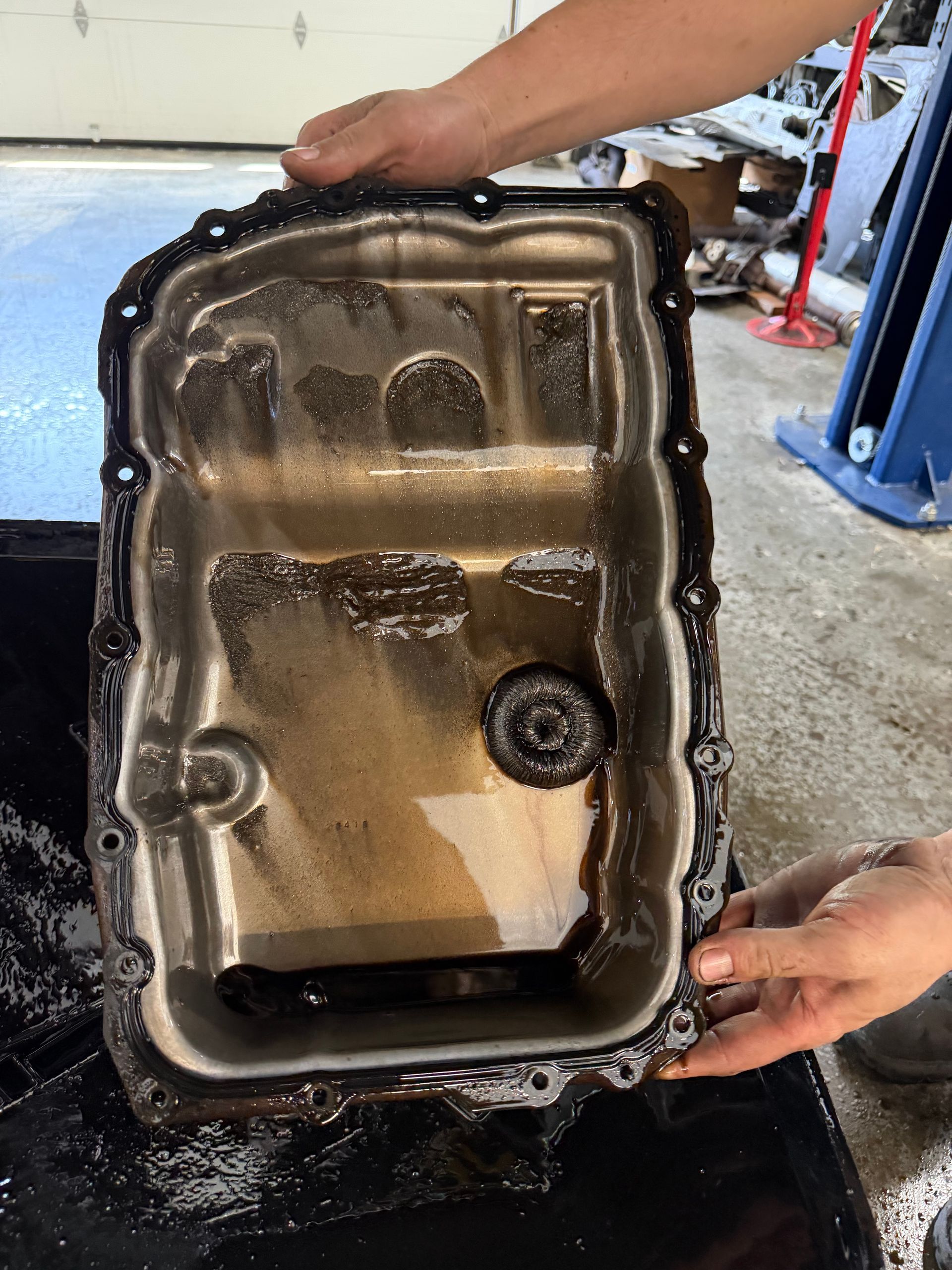
Transmission fluid is essential for cooling, lubricating, and creating hydraulic pressure. A leak is never a minor issue, and it’s one of the most visible warning signs that your transmission needs attention. Bright red, dark brown, or burnt-smelling fluid beneath your vehicle indicates a failing seal, worn gasket, cracked line, or damaged pan. Once fluid levels drop too low, friction increases dramatically, accelerating internal damage. If ignored, the lack of lubrication can lead to overheating and total failure. In many cases, a simple repair can stop the leak, but prolonged fluid loss often leads drivers down the road toward transmission replacement. Addressing leaks immediately can make the difference between a manageable fix and a major investment.
4. Feeling Shaking, Vibrations, or Rough Shifting
A vehicle that shakes, jerks, or vibrates noticeably during acceleration or gear changes is signaling that something is wrong. Rough shifting can result from bad transmission mounts, deteriorating clutches, or degraded internal bands. Modern vehicles are designed to shift smoothly, so any sudden or inconsistent movement should be taken seriously. While these symptoms sometimes relate to engine misfires or driveline issues, they frequently point back to transmission wear. When rough shifting becomes a daily occurrence, it can signify that the system is no longer capable of operating reliably. At this stage, many drivers begin discussing possible transmission replacement with their mechanic to restore safe vehicle performance.
5. Smelling Burning Odors During or After Driving
Burning smells are especially concerning because they often indicate overheated transmission fluid. When the fluid breaks down or becomes contaminated, it can no longer lubricate and cool internal components effectively. As friction builds, gears and seals begin to degrade, producing a distinct burning odor. This smell may become noticeable after long drives, towing heavy loads, or driving in stop-and-go traffic. While a fluid change might solve the issue temporarily, repeated overheating is a strong indicator of internal deterioration. If the odor persists even after service, it could mean the transmission has suffered internal damage that may lead to transmission replacement sooner rather than later.
6. Noticing Dashboard Warning Lights Related to Transmission Issues
Modern vehicles are equipped with advanced sensors that monitor fluid temperature, pressure, and other transmission functions. When something begins to malfunction, your dashboard may display a check engine light or a specific transmission warning indicator. Although some lights are triggered by minor issues like sensor errors or low fluid, others can signal more severe internal problems. Ignoring the warning light allows damage to progress unnoticed. If diagnostics consistently point to transmission faults, particularly those linked to internal component failure, your vehicle may be approaching the stage where transmission replacement becomes the safest long-term solution.
7. Observing Difficulty Staying in the Correct Gear
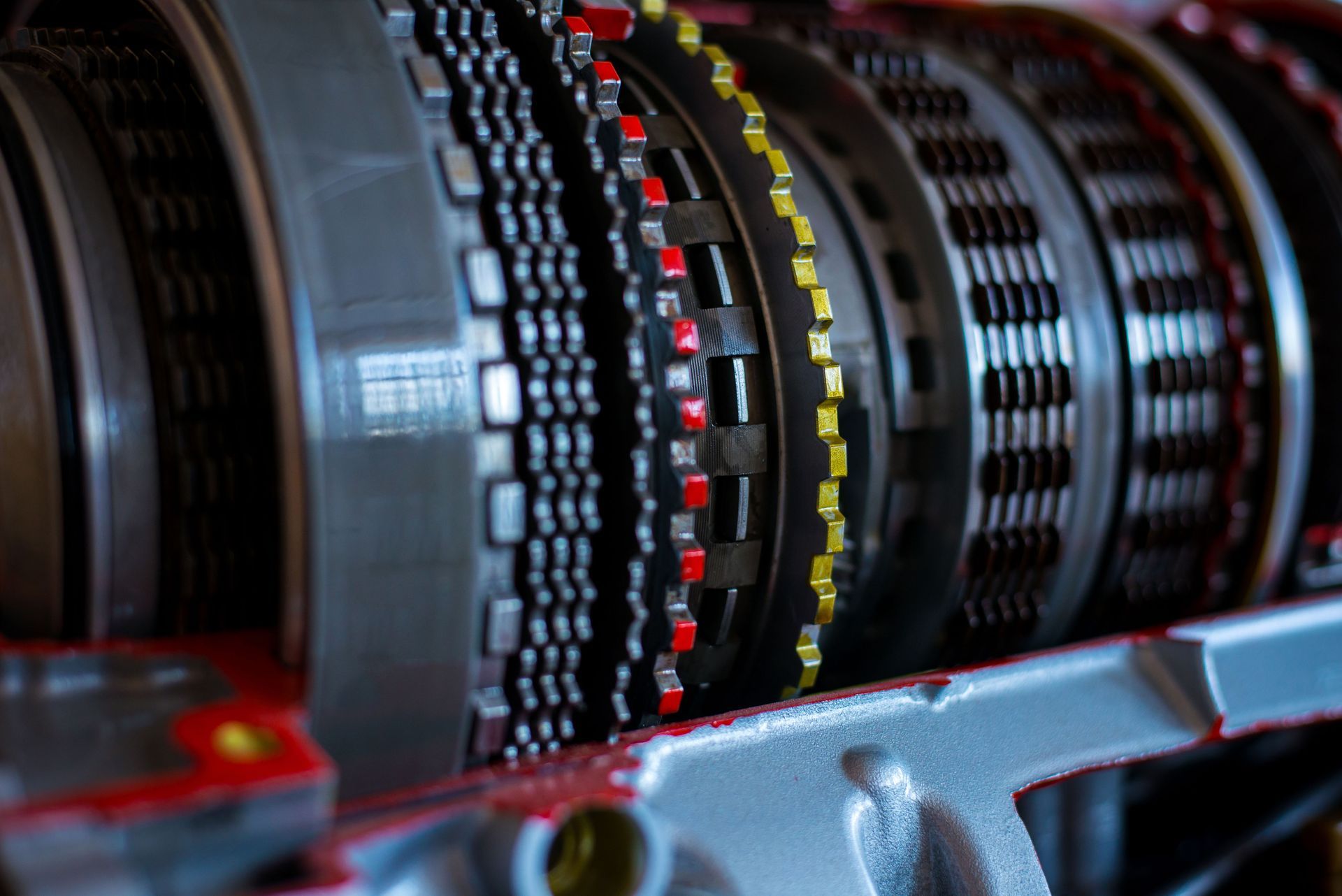
If your vehicle shifts unexpectedly or struggles to stay in gear, you may have a serious problem. Gear slipping can be caused by worn clutch packs, weakened bands, or failing solenoids. In automatic transmissions, these components must work together seamlessly for smooth operation. Sudden gear changes can be dangerous, especially when merging into traffic or driving at highway speeds. Frequent or unpredictable shifting issues are common signs that the transmission can no longer maintain proper hydraulic pressure. In many cases, persistent gear instability is one of the clearest indications that transmission replacement may soon be required to maintain safe driving conditions.
8. Losing Acceleration or Experiencing Reduced Power Output
Your vehicle relies on its transmission to transfer engine power to the wheels. When the transmission begins to fail, power loss becomes more noticeable. You may press the accelerator and feel the vehicle hesitate, lag, or struggle to gain speed. This reduced output can occur even when the engine is running normally. Worn internal mechanisms, slipping components, or overheating fluid all contribute to a decline in performance. Over time, these issues increase strain on the engine and create unsafe driving conditions. Once power loss becomes persistent, repairing the system may no longer be enough, and transmission replacement becomes one of the most common recommendations from automotive professionals.
9. Experiencing Consistent Transmission Overheating
Overheating is one of the most damaging conditions for any transmission, and it is often a precursor to failure. High temperatures cause transmission fluid to lose viscosity, which reduces lubrication and increases wear. Towing, hauling heavy loads, driving in extreme heat, or sitting in heavy traffic can all contribute to overheating, but a healthy transmission should recover quickly. When overheating becomes a consistent issue, it suggests internal stress or failing components. Severe overheating can permanently damage clutches, seals, and bearings. Once these vital parts degrade, the transmission’s lifespan shortens significantly, and a transmission replacement may be the only way to restore reliability.
10. Acknowledging the Transmission’s Age and Mileage
Even the most well-maintained vehicles eventually reach a point where the transmission begins to wear out. According to SlashGear, with average driving habits and regular maintenance, most transmissions in a mid-range vehicle will last around seven years, or around 200,000 miles. As your vehicle ages, internal parts naturally weaken, seals harden, and fluid efficiency declines. If your car is nearing or exceeding this mileage range, any of the symptoms above become more concerning. Age alone doesn’t confirm failure, but when paired with performance issues, it often signals that the transmission is at the end of its service life, and you may need to plan for transmission replacement in the near future.
Recognizing the warning signs of a failing transmission is essential for protecting your vehicle and avoiding sudden breakdowns. Whether you are noticing slipping gears, hearing unusual noises, seeing fluid leaks, or feeling rough shifting, these symptoms should never be ignored. Addressing issues promptly can help prolong the life of your vehicle, but when the damage becomes too extensive, transmission replacement is often the most effective solution for long-term safety and performance. If you are experiencing any of these signs or simply want a professional assessment, reach out to Superior Transmissions & Auto today for expert guidance and dependable service.