February 26, 2026
When drivers think about vehicle longevity, they often focus on engine maintenance, oil changes, and brake care. Yet one of the most influential components in determining how long a vehicle lasts is the transmission. A well-executed transmission rebuild can dramatically extend a vehicle’s usable life by restoring internal components, improving performance, and preventing widespread mechanical damage. Rather than replacing an entire unit or purchasing a new vehicle, rebuilding allows owners to preserve the core of their existing system while renewing the parts that matter most.
With millions of vehicles operating daily, long-term reliability is more important than ever. According to Kelley Blue Book, there are 289 million light-duty vehicles currently registered in the United States, including cars, pickup trucks, and sport utility vehicles, reflecting an increase of 3 million from the previous year. That growth underscores the need for sustainable repair strategies. Choosing a transmission rebuild is one of the most practical ways to keep vehicles on the road longer while maximizing value and efficiency.
Understand Transmission Function and Warning Signs
The transmission serves as the bridge between the engine and the wheels, regulating power and ensuring smooth gear transitions. Whether a vehicle uses a manual or automatic system, it relies on interconnected components such as gears, clutches, seals, solenoids, and transmission fluid to operate efficiently. When these parts function correctly, drivers experience seamless acceleration, stable performance, and optimized fuel efficiency. However, wear and tear over time can disrupt this balance, leading to slipping gears, delayed engagement, grinding sensations, or unusual noises.
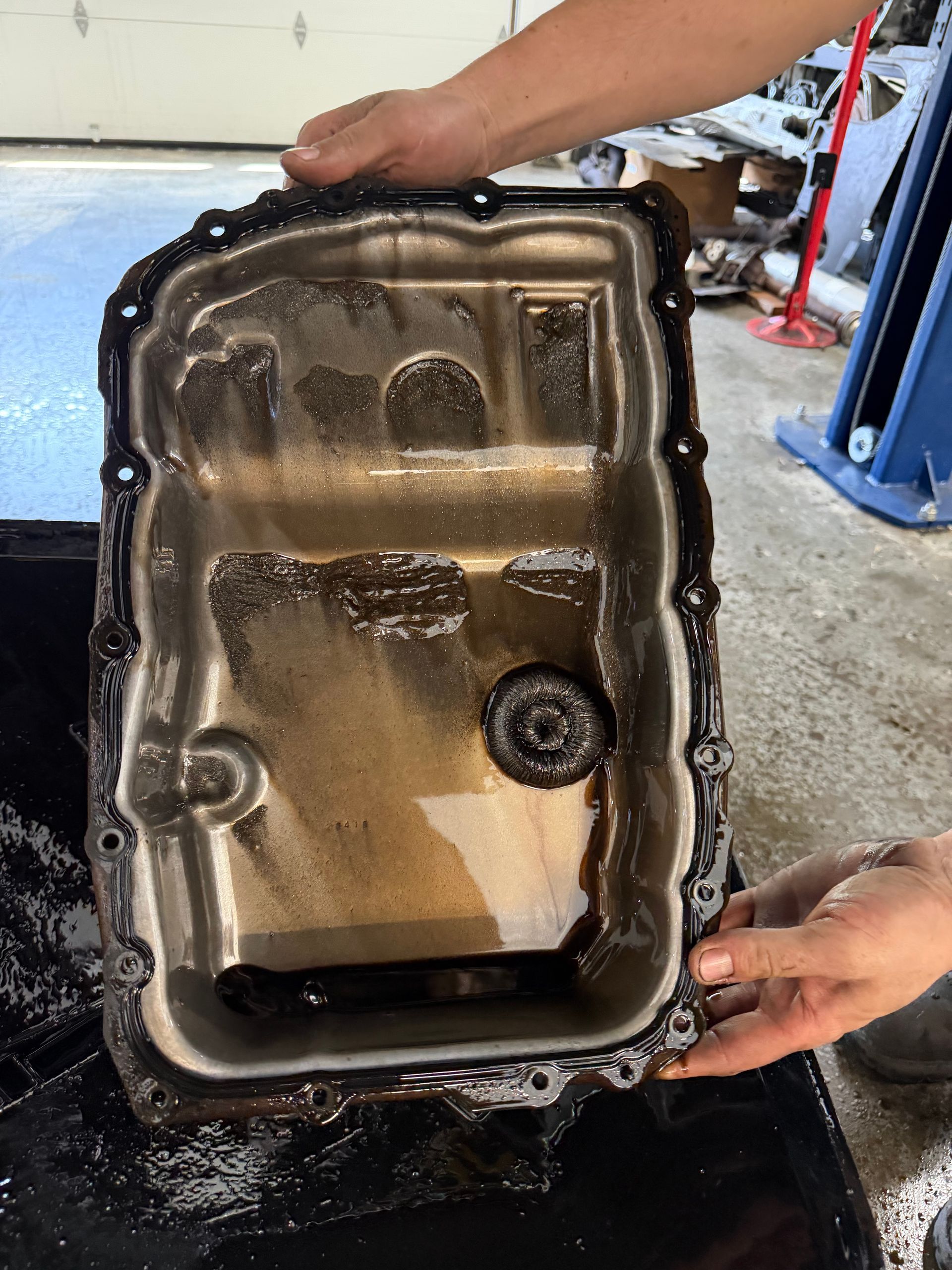
Early warning signs should never be ignored. Fluid leaks, burning smells, shaking during gear changes, or a sudden hesitation when shifting can all indicate internal damage. Left unresolved, these problems may spread to surrounding systems, placing strain on the drivetrain and engine. Addressing concerns promptly through inspection and, when appropriate, a rebuild helps restore system integrity before the damage becomes irreversible. Proactive attention not only protects performance but also prevents more extensive and costly failures.
Follow a Comprehensive Rebuild Process
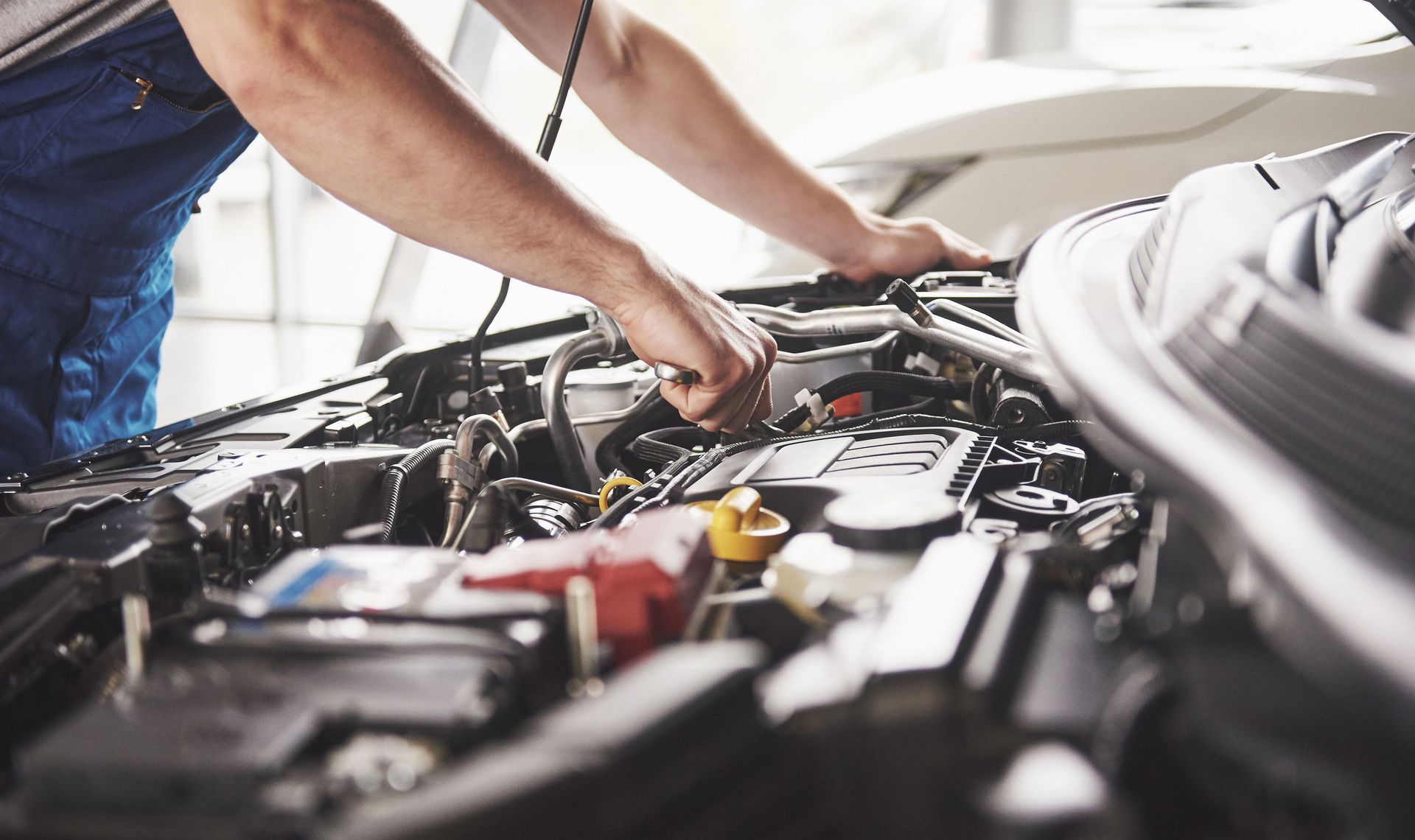
A professional transmission rebuild begins with detailed diagnostics. Technicians perform road tests, computer scans, and fluid inspections to identify the root cause of the malfunction. Once the issue is confirmed, the transmission is carefully removed and disassembled. Each internal component is cleaned and evaluated for wear, cracking, or distortion. This thorough inspection ensures that every compromised seal, gasket, clutch pack, and friction surface is identified and addressed.
During reassembly, damaged parts are replaced or restored using high-quality components that meet manufacturer standards. After reinstallation, the system undergoes rigorous testing to verify proper shifting, fluid circulation, and responsiveness. The goal is not simply to repair one failing part but to renew the system as a whole. By restoring the transmission to optimal working condition, a rebuild revitalizes performance and sets the stage for extended vehicle life.
Reduce Costs and Improve Long-Term Value
From a financial standpoint, rebuilding often presents a more economical alternative to full replacement or purchasing a new vehicle. A transmission rebuild preserves the existing housing and major structural components while renewing worn internal parts, reducing material and labor expenses compared to installing a completely new unit. Because the core assembly is reused, owners avoid many of the added costs associated with sourcing and installing an entirely new transmission system. This approach delivers meaningful savings without sacrificing quality or reliability. Vehicle owners can then redirect those savings toward routine maintenance, suspension work, brake service, or other essential repairs that strengthen the overall condition and longevity of the vehicle.
Beyond immediate savings, rebuilding enhances long-term value. A properly rebuilt transmission reduces the likelihood of recurring breakdowns and helps maintain consistent performance over time, minimizing surprise repair expenses. Improved efficiency can also support better fuel economy by ensuring smooth power transfer and accurate gear ratios, allowing the engine to operate within its intended range. Over time, these performance gains contribute to lower operating costs and a more dependable driving experience. Additionally, documented transmission work can strengthen resale appeal, as prospective buyers often prioritize vehicles with verified major repairs completed by qualified professionals, increasing buyer confidence and potentially supporting a stronger resale price.
Extend Vehicle Life and Driving Reliability
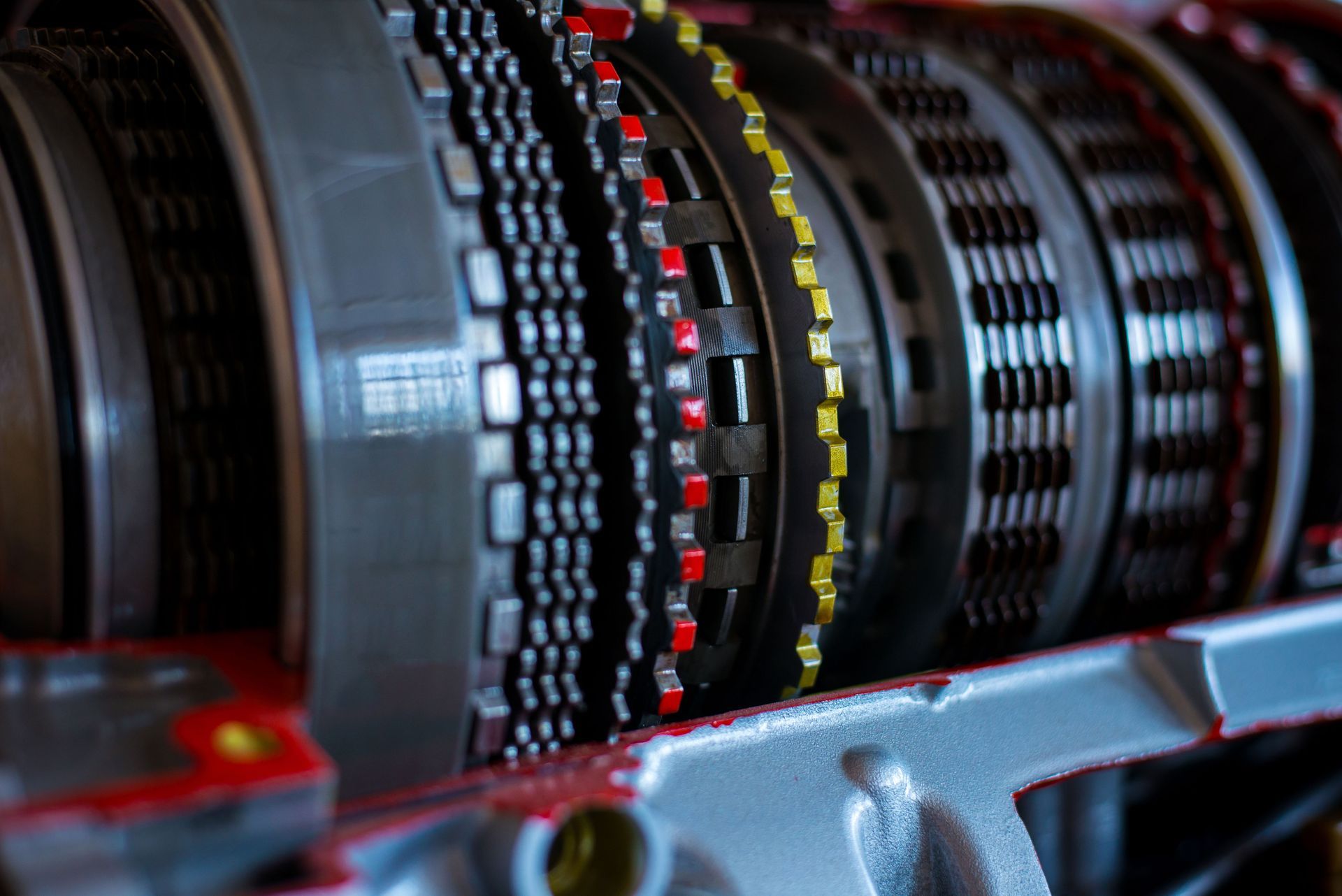
One of the most significant advantages of a transmission rebuild is its direct impact on vehicle lifespan. The transmission is a central component of the drivetrain, and when it fails, the vehicle often becomes inoperable. Rebuilding renews the system’s internal structure by replacing worn clutches, seals, bands, and other high-friction components that naturally degrade over time. Instead of allowing minor wear to escalate into catastrophic failure, the rebuild restores internal tolerances and proper hydraulic pressure, which are critical for long-term operation. This process allows the vehicle to continue functioning reliably for years beyond its expected service window, helping owners avoid the financial burden of premature vehicle replacement. By investing in restoring the transmission’s foundation, drivers maximize the return on their original investment and preserve the overall integrity of the vehicle.
Reliability also improves dramatically after a rebuild. Drivers often notice smoother shifting, quicker response times, and quieter operation because the refreshed components work together without the delays and inconsistencies caused by internal wear. By eliminating slipping gears, harsh engagement, and erratic transitions, the rebuild restores driving comfort and confidence in both daily commutes and long-distance travel. Just as importantly, addressing transmission issues early prevents excess strain from spreading to the engine, driveshaft, and differential. When the transmission operates efficiently, it reduces unnecessary stress throughout the drivetrain. This protective effect safeguards the entire vehicle, reinforcing durability, supporting consistent performance, and helping ensure dependable transportation well into the future.
Support Environmental Sustainability Through Rebuilding
Choosing a transmission rebuild also carries meaningful environmental benefits. Reusing the primary transmission casing and viable internal components reduces the demand for newly manufactured parts. This conservation of raw materials limits the energy required for production and transportation, supporting more sustainable automotive practices. Rather than discarding an entire unit, rebuilding prioritizes restoration and responsible resource management.
Waste reduction is another key advantage. By refurbishing usable parts instead of sending them to landfills, rebuilding minimizes industrial waste and supports recycling initiatives within the automotive sector. Lower production demands translate to reduced energy consumption and fewer emissions associated with manufacturing new components. For environmentally conscious vehicle owners, rebuilding represents a practical way to reduce impact while maintaining dependable transportation.
Select Qualified Professionals for Lasting Results
The success of any transmission rebuild depends heavily on the expertise of the technicians performing the work. Skilled professionals rely on advanced diagnostic equipment, structured workflows, and in-depth knowledge of manufacturer specifications. Proper training ensures that every seal, clutch pack, and gear assembly is installed precisely and adjusted correctly. Selecting an experienced shop significantly influences the durability and reliability of the finished rebuild.
Vehicle owners should also evaluate facility standards, warranty coverage, and customer feedback when choosing a repair provider. Clean, well-equipped workshops and transparent communication reflect a commitment to quality. Certifications and ongoing training demonstrate that technicians remain current with evolving transmission technologies. Entrusting the job to a reputable specialist ensures the rebuilt system delivers consistent performance and long-term peace of mind.
A transmission rebuild offers a balanced solution that combines financial savings, extended vehicle life, improved reliability, and meaningful environmental benefits. By restoring rather than replacing, drivers can preserve their investment while enhancing daily performance and reducing waste. For those seeking dependable results and long-term value, contact us at Superior Transmissions & Auto today. We will help you extend your vehicle’s life with expert care and precision.