August 18, 2026
When a vehicle begins experiencing shifting problems, the type of transmission it uses plays an important role in determining the appropriate repair approach. Automatic and manual transmissions operate differently, use different components, and can develop distinct problems that require specialized attention. Understanding these differences can help drivers recognize warning signs and seek appropriate service before a minor issue develops into more extensive damage.
Both transmission types require knowledgeable diagnosis and careful repairs to restore reliable operation. Although automatic transmissions are more common, manual transmissions remain an important part of the automotive market and require their own specialized service procedures. Knowing the differences between automatic and manual transmission repair can help vehicle owners understand what technicians may need to inspect, repair, or replace.
Understanding Repairs for Automatic Transmissions
Identifying Automatic Transmission Components
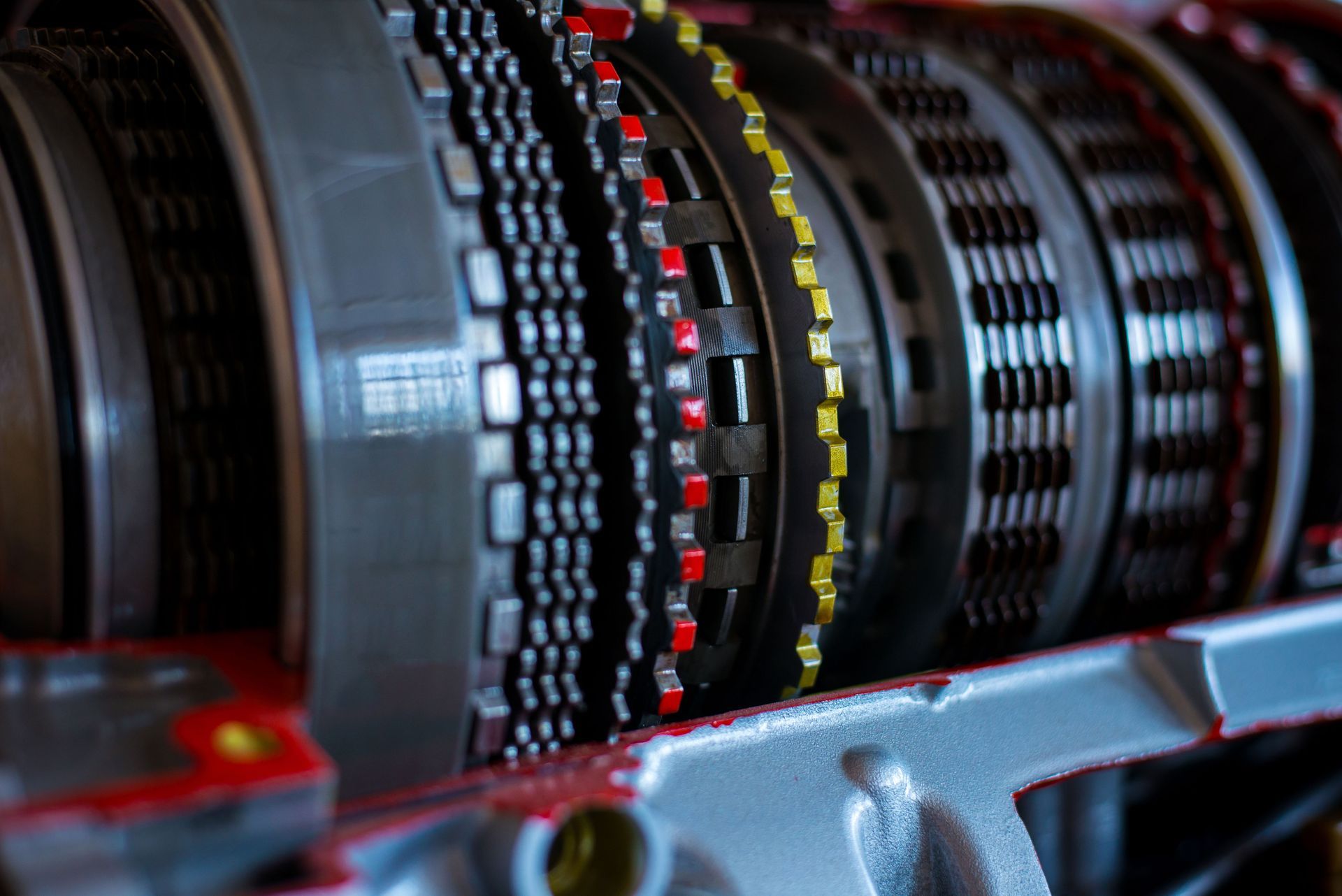
Automatic transmissions use a complex combination of components to change gears without requiring the driver to operate a clutch pedal manually. Depending on the vehicle, important components can include a torque converter, transmission fluid, valve body, solenoids, gears, seals, and electronic control components. Each part contributes to transferring engine power and selecting the appropriate gear for changing driving conditions.
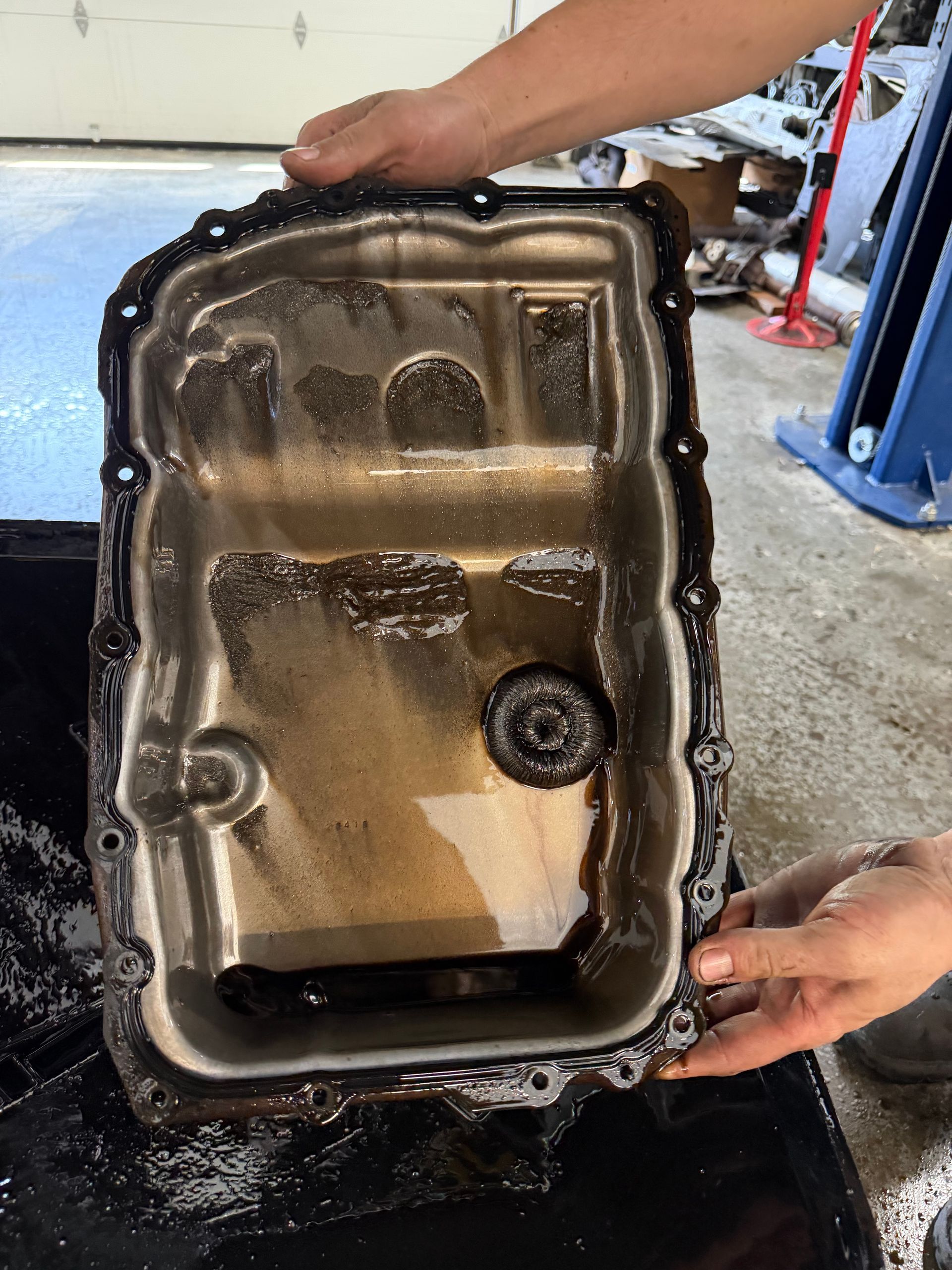
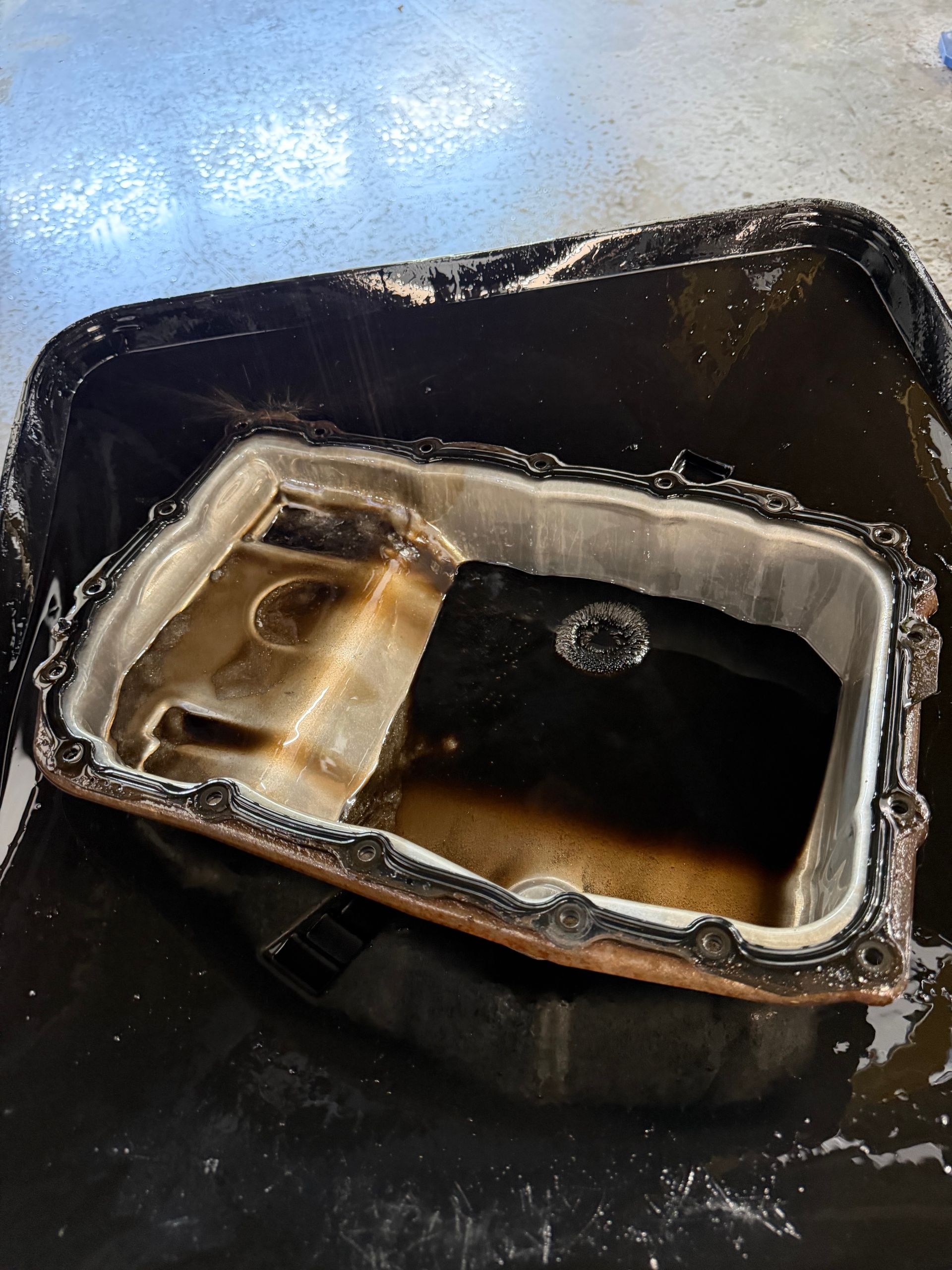
Because these components work together, a problem in one area can affect the overall performance of the transmission. For example, a malfunctioning solenoid can contribute to delayed or rough shifting, while torque converter problems may cause shuddering or slipping. Transmission fluid leaks can also reduce lubrication and contribute to accelerated component wear.
Common Automatic Transmission Problems
Drivers may notice several warning signs when an automatic transmission begins developing problems. Delayed engagement, unusual noises, harsh gear changes, slipping, burning smells, fluid leaks, or difficulty getting the vehicle into gear can all indicate that an inspection is necessary. A check engine light may also accompany transmission-related problems, although a diagnostic scan is generally needed to identify the underlying cause.
Effective transmission repair begins with identifying the source rather than simply addressing the most obvious symptom. Technicians may inspect the fluid, check for leaks, perform diagnostic testing, evaluate shifting behavior, and examine individual components. Depending on the findings, the solution could involve a fluid or filter change, solenoid repair, torque converter service, or a more extensive rebuild.
Recognizing When Automatic Transmission Service Gets More Extensive
Some automatic transmission problems can be addressed without rebuilding the entire unit. However, significant internal wear or damage may require the transmission to be disassembled and inspected. A professional rebuild can involve cleaning components, replacing worn parts, checking clearances, and reassembling the unit according to appropriate specifications.
In other situations, a damaged transmission may require re-manufacturing or replacement rather than a conventional transmission repair. Experienced technicians can evaluate the transmission's condition and explain which option makes the most practical sense for the vehicle. A careful assessment is particularly important because unnecessary replacement can increase costs, while delaying major repairs can allow additional components to become damaged.
Examining Repairs for Manual Transmissions
Explaining Manual Transmission Components
Manual transmissions rely on the driver to select gears and operate the clutch, creating a different set of mechanical demands. According to HowStuffWorks, only about 3% of cars sold in the United States have a manual transmission, meaning that a limited number of expert auto mechanics work with them regularly. Important components can include the clutch assembly, gears, synchronizers, bearings, seals, and shifter mechanism. The clutch temporarily separates the engine from the transmission so the driver can change gears, while synchronizers help the selected gears engage smoothly.
Because the driver controls the shifting process, clutch operation and driving habits can influence component wear. A clutch that is repeatedly allowed to slip, for example, may experience excessive friction and heat. Transmission fluid also remains important because it lubricates internal components and helps control wear within the gearbox.
Recognizing Manual Transmission Problems
Manual transmission problems can present differently from automatic transmission concerns. Grinding during gear changes, difficulty selecting a gear, clutch slippage, a sticking clutch pedal, unusual vibrations, fluid leaks, or loss of power during acceleration may indicate a problem. Drivers may also notice that the shifter feels unusually difficult to move or that certain gears are harder to engage.
These symptoms can originate from several components, so an accurate diagnosis is important before repairs begin. A technician may inspect the clutch, examine the shifter mechanism, check transmission fluid, evaluate the synchronizers, and inspect bearings and seals. Transmission repair for a manual vehicle may therefore involve a clutch replacement, shifter adjustment, synchronizer service, or internal gearbox repair.
Why Manual Repairs Require Specialized Knowledge
Although manual transmissions generally have fewer complex control components than many automatic systems, repairing them still requires expert mechanical knowledge. Internal gears and synchronizers must work together correctly, and improper assembly can affect shifting quality, noise levels, and overall reliability. A technician must understand how these components interact before determining the appropriate repair strategy.
A complete rebuild may be appropriate when internal components have sustained significant wear or damage. During this process, the transmission can be disassembled, cleaned, inspected, and fitted with necessary replacement parts. Clutch-related repairs may also be performed when the transmission is removed, particularly when the clutch starts showing signs of excessive wear.
Choosing the Right Approach to Transmission Service
Comparing Diagnostic and Repair Processes
The diagnostic process for automatic and manual transmissions has some similarities, but the components technicians focus on can differ substantially. Automatic transmission diagnosis may include electronic scans, fluid inspections, road testing, and evaluation of solenoids or torque converter operation. Manual transmission diagnosis often places greater emphasis on clutch engagement, gear selection, synchronizers, bearings, and mechanical shifting components.
In both cases, the goal is to determine the underlying cause before recommending a repair. Replacing a component without confirming that it is responsible for the problem can waste money and leave the original issue unresolved. Comprehensive diagnostics allow technicians to develop a repair plan based on the actual condition of the vehicle.
Understanding Repair and Rebuild Options
The scope of transmission repair can range from a relatively straightforward service to a complete rebuild. Fluid and filter changes may be appropriate when maintenance is the primary concern, while damaged solenoids, seals, bearings, or other individual components may require targeted repairs. More extensive internal damage can necessitate a rebuilt or re-manufactured transmission.
A professional repair facility can inspect the transmission and explain the available options based on the vehicle's condition, mileage, symptoms, and repair requirements. Rebuilding can sometimes provide a cost-effective alternative to complete replacement by allowing technicians to restore the existing transmission with properly inspected and replaced components. A warranty on rebuilt transmissions can also provide additional protection after service.
Why Professional Transmission Service Matters
Whether a vehicle has an automatic or manual transmission, ignoring warning signs can allow relatively contained problems to become more extensive. Rough shifting, grinding, slipping, leaks, unusual noises, or difficulty engaging gears should prompt an evaluation rather than continued driving without an assessment. Early attention can help identify worn components before additional damage occurs.
A qualified transmission repair provider can service both automatic and manual systems while tailoring the diagnostic process to the vehicle's specific design. Experienced and ASE-certified technicians can perform services ranging from fluid changes and clutch repairs to precision rebuilds and more complex internal repairs. Choosing a facility with comprehensive capabilities can also make it easier to address related concerns when they arise.
Automatic and manual transmissions require different repair strategies because their components and operating systems are fundamentally different. Automatic systems may require attention to torque converters, solenoids, fluid systems, and other components, while manual systems often involve clutches, synchronizers, gears, bearings, and shifter mechanisms. Recognizing these distinctions can help vehicle owners understand why a technician may recommend different diagnostic and repair procedures.
If you're looking for reliable experts in both automatic and manual transmission repair, be sure to contact Superior Transmissions & Auto!