September 30, 2026
5 Reasons Professional Transmission Diagnosis Matters
5 Reasons Professional Transmission Diagnosis Matters
When your vehicle starts shifting differently, slipping between gears, making unusual noises, or showing a transmission warning light, it can be tempting to assume the transmission itself is failing.
But transmission problems aren't always as straightforward as they seem.
Modern transmissions are complex systems that combine mechanical components, hydraulics, electronics, sensors, solenoids, and computer controls. Several different problems can produce very similar symptoms, which is why proper diagnosis matters before deciding what repair your vehicle needs.
At Superior Transmissions & Auto, we believe the first step isn't automatically replacing a part or rebuilding a transmission. The first step is finding out what's actually wrong.
Here are five reasons professional transmission diagnosis matters.
1. The Same Symptom Can Have Multiple Causes
A slipping transmission doesn't automatically mean the transmission needs to be rebuilt.
Hard shifting, delayed engagement, slipping, shuddering, or loss of a gear can be caused by a variety of problems. Low or contaminated fluid, electrical faults, sensor problems, solenoid issues, hydraulic pressure problems, programming concerns, or worn internal components can all affect how a transmission operates.
That's why simply looking at a symptom isn't enough.
A professional diagnosis helps determine where the problem is actually coming from before repairs begin. In some cases, the problem may be outside the transmission itself. In others, testing may show that internal wear or damage is present and the transmission needs to be removed for further inspection.
The goal is simple: diagnose the problem before deciding on the repair.
2. Modern Transmissions Require More Than a Basic Code Scan
Today's transmissions are far more complicated than the transmissions found in older vehicles.
Modern vehicles use computers, sensors, solenoids, and electronically controlled hydraulic systems to determine when and how the transmission shifts. A diagnostic trouble code can provide an important clue, but a code alone doesn't always tell you which component has failed.
Our technicians can use advanced diagnostic equipment to evaluate available transmission data, including trouble codes, sensor information, transmission temperature, commanded operation, and other vehicle-specific information.
This information helps narrow down the possible causes and determine what additional testing may be necessary.
A diagnostic code is a clue—not automatically a diagnosis.
3. Transmission Problems Can Be Mechanical, Hydraulic, or Electrical
One of the biggest challenges with modern transmission diagnosis is that different types of failures can create similar symptoms.
A vehicle that won't shift properly could have a mechanical problem inside the transmission. It could have a hydraulic pressure issue. It could have an electrical problem, a failed solenoid, a sensor issue, or a control-module concern.
That's why replacing parts based only on a symptom or diagnostic code can become an expensive guessing game.
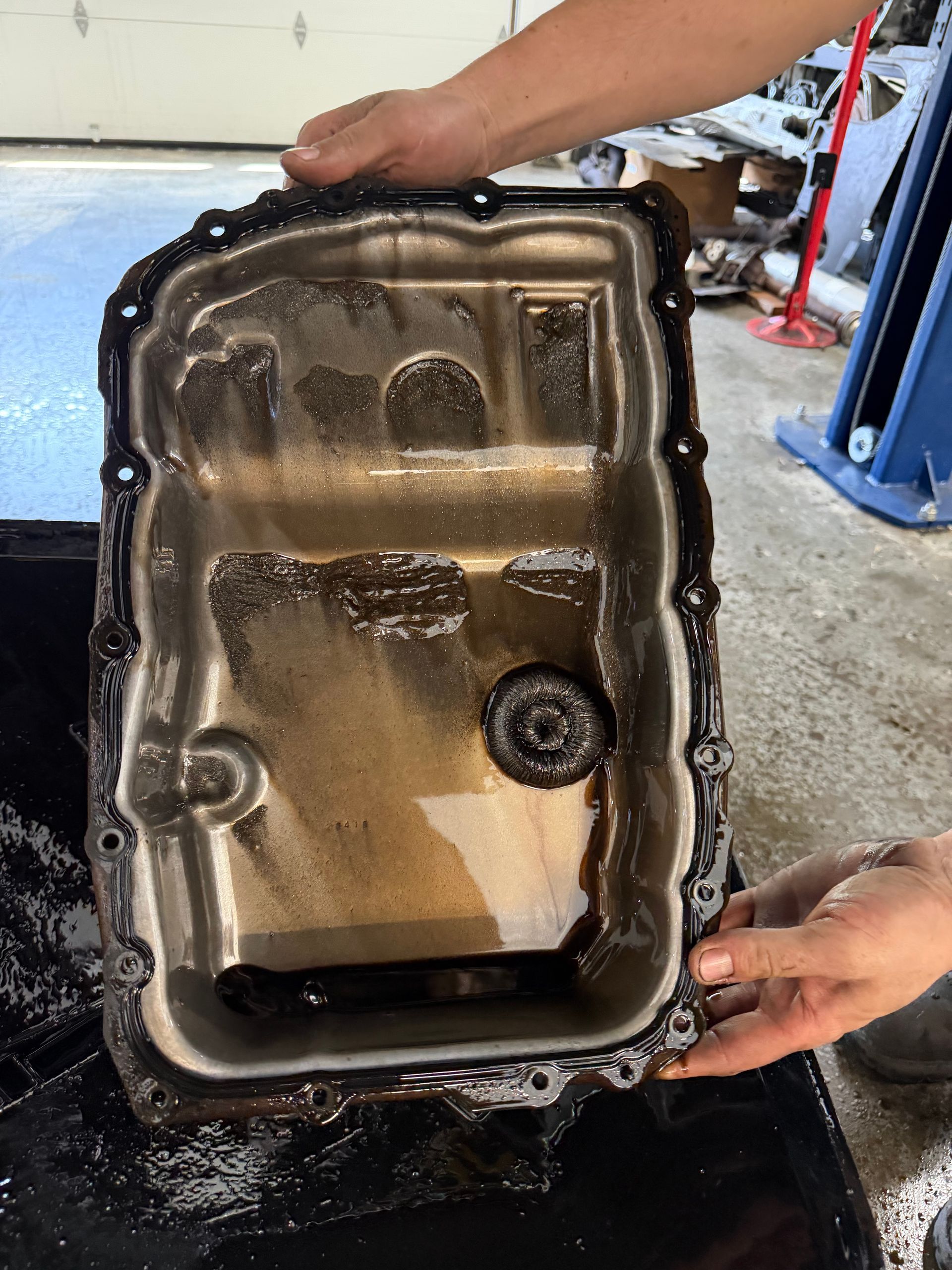
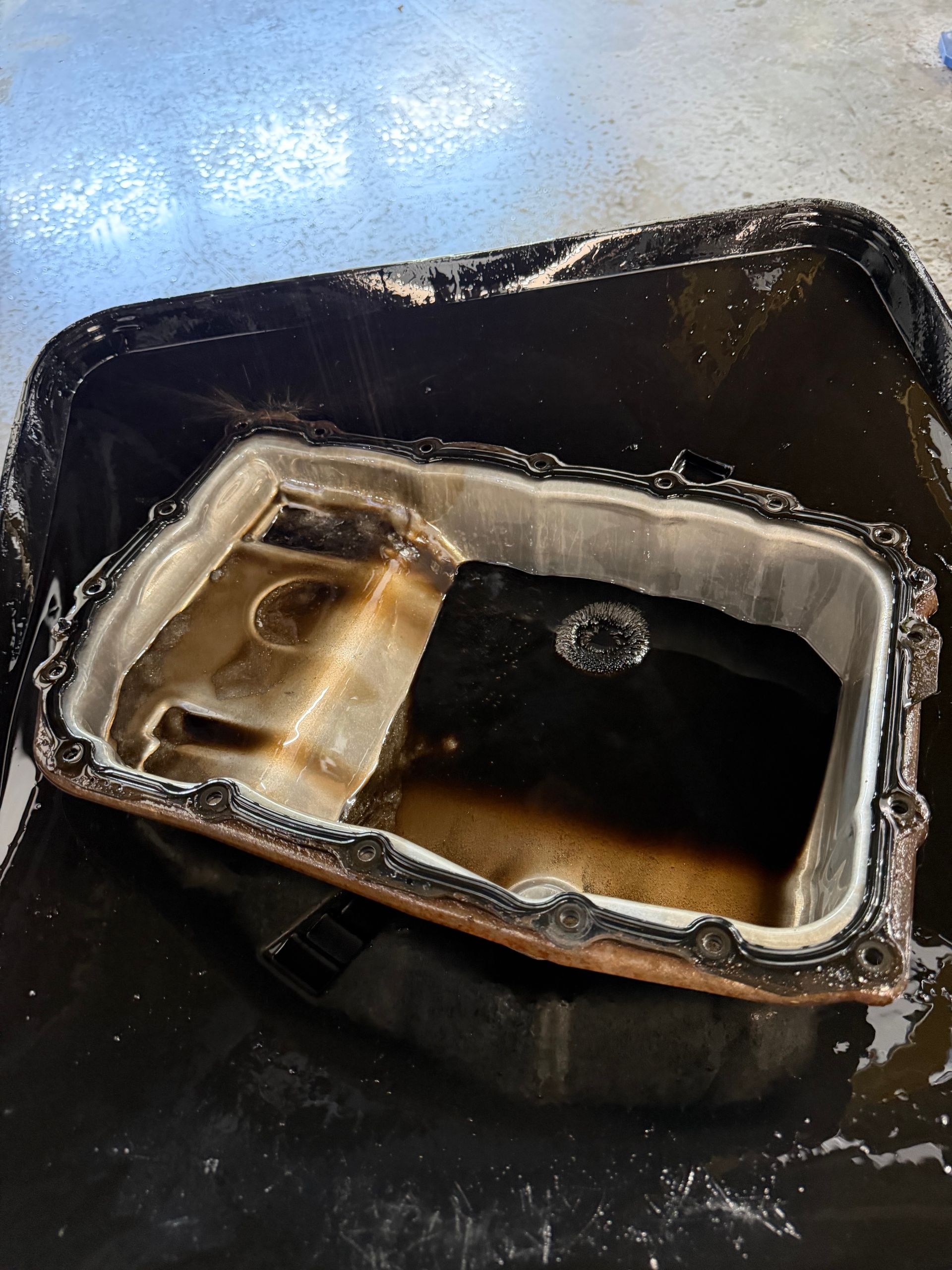
Proper diagnosis considers how the entire system is operating. Depending on the vehicle and symptoms, that may include computer diagnostics, fluid inspection, road testing, pressure testing, electrical testing, and other procedures.
The more information a technician can gather, the better they can determine what is actually happening.
4. Ignoring a Developing Problem Can Lead to More Damage
Not every transmission problem turns into a catastrophic failure immediately.
Sometimes a vehicle will continue driving for weeks or even months with symptoms such as slipping, delayed engagement, harsh shifting, overheating, or abnormal noises. That doesn't mean the problem has gone away.
Continuing to drive with an existing transmission problem can allow additional wear or damage to occur. What may have started as one failed component can potentially damage other internal parts as the vehicle continues to operate.
Having the vehicle checked when you first notice something unusual doesn't guarantee that a major repair can be avoided—but it can give you a better understanding of what is happening before the problem progresses.
If your transmission isn't behaving normally, don't wait for it to completely stop working before having it checked.
5. You Should Know Why Your Vehicle Needs a Repair
One of the most important parts of professional diagnosis is understanding what you're actually paying to repair.
Hearing, "You need a transmission," doesn't tell you much.
A proper diagnosis should help explain what symptoms were found, what testing was performed, what problems were identified, and what repair may be necessary. Depending on the findings, that could mean a repair outside the transmission, a transmission service, additional diagnosis, or removal and rebuilding of the transmission.
At Superior Transmissions & Auto, we believe customers deserve to understand what's happening with their vehicle before making a decision about a repair.
Why Choose Superior Transmissions & Auto?
Transmission work is what we do.
At Superior Transmissions & Auto in Montgomery, NY, we specialize in transmission diagnosis, in-house transmission rebuilding, driveline repairs, differential rebuilding, and related automotive repairs.
Our technicians combine hands-on experience with modern diagnostic and programming equipment to help identify the cause of transmission problems. When a transmission does need to come out, we don't simply replace it and send you on your way—we rebuild transmissions in-house and address the components that caused the failure.
Whether your vehicle is slipping, shifting hard, delayed going into gear, making an unusual noise, or showing a transmission warning light, getting the problem properly diagnosed is the first step toward making an informed repair decision.
Don't guess what's wrong with your transmission. Get it diagnosed properly.
Contact Superior Transmissions & Auto today to schedule a transmission evaluation.