October 23, 2026
Transmission slipping warning signs you shouldn't ignore!
Have you noticed your vehicle's engine revving higher than normal, your gears shifting unexpectedly, or your vehicle struggling to accelerate? These could be signs of a slipping transmission.
Transmission problems can start with occasional symptoms that are easy to overlook. However, continuing to drive with a slipping transmission may lead to additional damage and more extensive repairs. Understanding the warning signs and having your vehicle properly diagnosed can help you make an informed decision about your next steps.
At Superior Transmissions & Auto in Montgomery, NY, we specialize in transmission rebuilding and driveline repairs, helping drivers throughout the Hudson Valley identify transmission problems and find the right repair solution.
What Does It Mean When a Transmission Slips?
A transmission slipping occurs when the transmission fails to maintain the intended gear or transfer engine power to the wheels as expected. You may notice the engine RPMs increase without a corresponding increase in vehicle speed, or the vehicle may hesitate before engaging a gear.
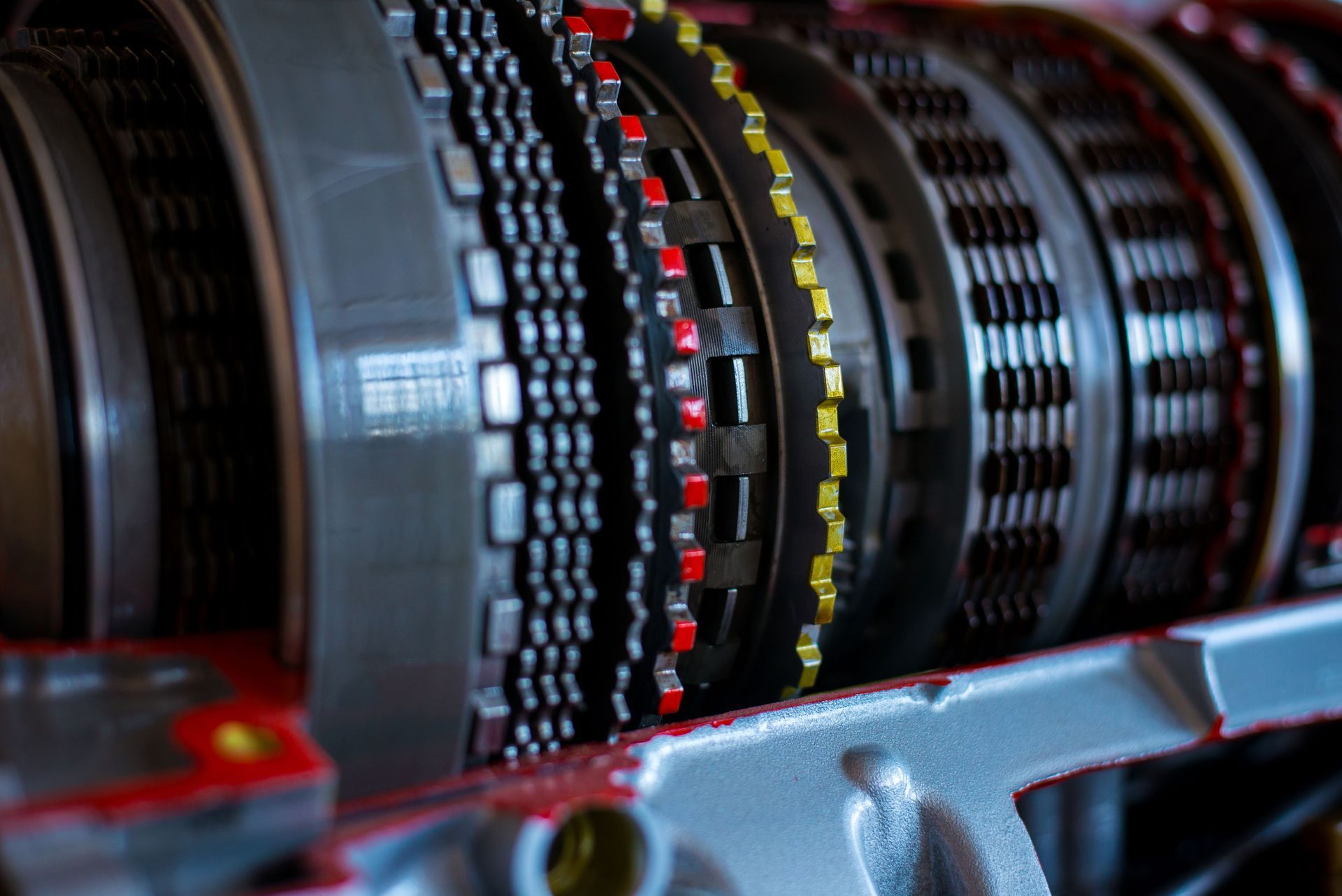
Slipping can occur for several reasons, including low or incorrect transmission fluid, internal component wear, hydraulic pressure problems, or issues with electronic controls. Because several different problems can produce similar symptoms, proper diagnosis is important before deciding which repairs are necessary.
7 Signs Your Transmission May Be Slipping
1. Your Engine Revs, but Your Vehicle Doesn't Accelerate
One of the most recognizable signs of transmission slipping is an increase in engine RPMs without a matching increase in speed.
You may notice this when accelerating from a stop, climbing a hill, or attempting to pass another vehicle. If the engine sounds like it's working harder but the vehicle isn't responding normally, your transmission should be evaluated.
2. Your Vehicle Hesitates When Shifting Gears
Does your vehicle pause between gears before suddenly shifting? Delayed or inconsistent gear engagement can indicate a transmission problem.
Possible causes include fluid pressure issues, worn internal components, or electronic control problems. A technician can evaluate the symptoms and determine what is causing the delay.
3. Your Transmission Shifts Hard or Jerks
A transmission that slips may also shift harshly, but hard shifting can occur independently of slipping.
If your vehicle suddenly jerks during acceleration, bangs into gear, or shifts harder than usual, don't assume it simply needs a fluid change. A proper diagnosis can help determine whether the issue involves the transmission's internal components, hydraulic system, or electronic controls.
4. Your Vehicle Shudders or Vibrates While Driving
Shuddering or vibration during acceleration, cruising, or gear changes can sometimes be related to transmission operation.
One possible cause is torque converter clutch shudder, which may feel like driving over a rumble strip. However, engine performance problems, driveline components, and other issues can produce similar sensations.
Identifying when the vibration occurs and performing the appropriate tests can help narrow down the cause.
5. You Notice a Burning Smell
A burning odor may indicate overheated transmission fluid or another problem requiring attention.
Excessive heat can damage transmission components and contribute to premature failure. If you notice a burning smell along with slipping, delayed engagement, or abnormal shifting, avoid continuing to drive the vehicle until the problem has been assessed.
6. Your Transmission Fluid Is Leaking
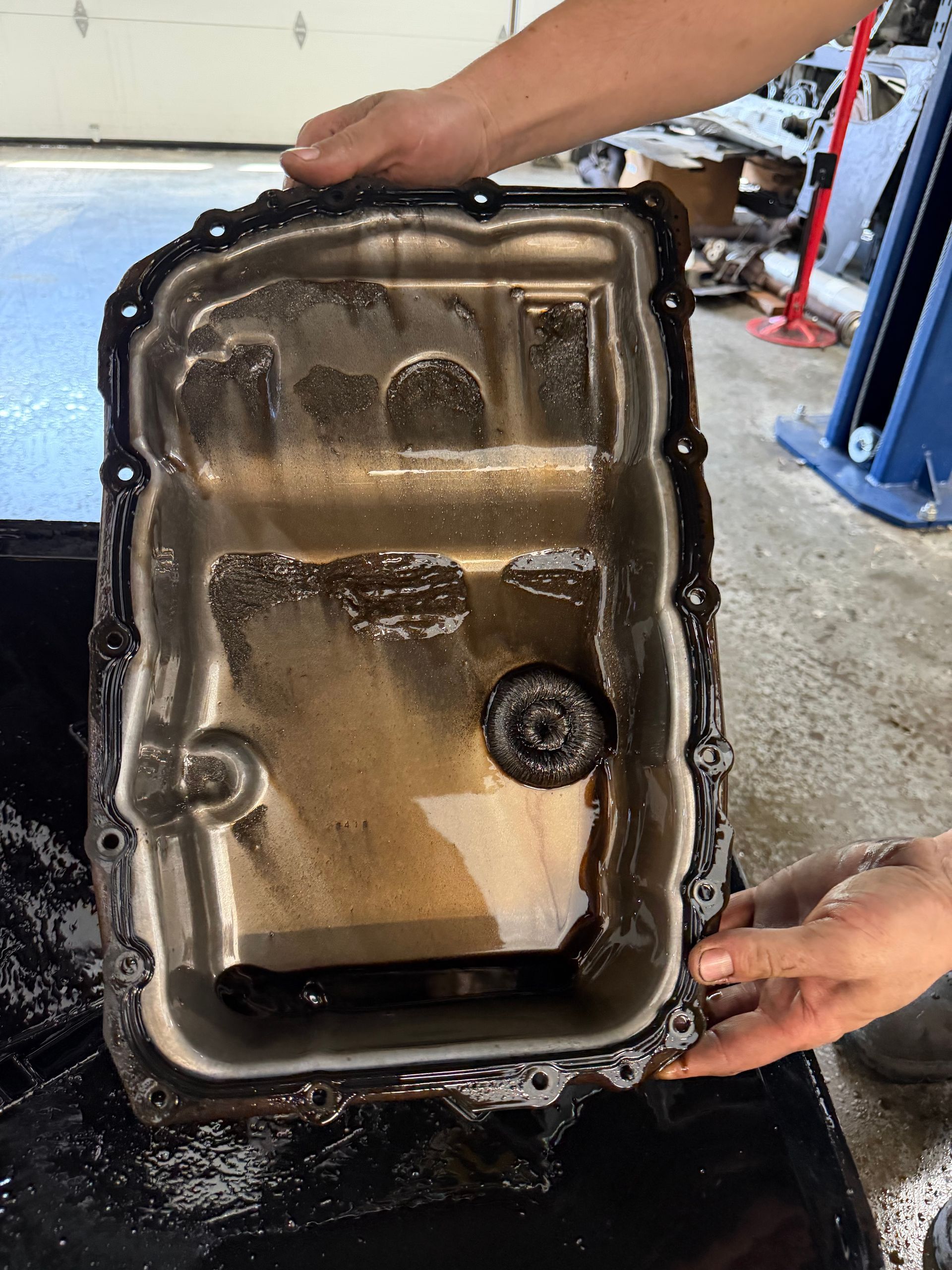
Transmission fluid leaks can contribute to low fluid levels, which may interfere with proper hydraulic operation and lubrication.
Depending on the vehicle, transmission fluid may be red, pink, amber, or another color. Color alone does not reliably identify the fluid or determine its condition.
If you see fluid beneath your vehicle, have the source identified promptly. Some modern transmissions also require specific procedures and equipment to check fluid levels correctly.
7. Your Check Engine Light Comes On
Modern vehicles use electronic systems to monitor transmission operation. When a fault is detected, the vehicle may illuminate the check engine light or display a transmission warning.
Diagnostic trouble codes can provide useful information, but a code does not automatically mean a particular part has failed. Further testing may be needed to determine whether the problem is electrical, hydraulic, mechanical, or related to another vehicle system.
Can You Keep Driving With a Slipping Transmission?
It is best not to ignore transmission slipping, even if it only happens occasionally.
Continued driving may increase internal wear, generate excessive heat, or turn a repairable problem into more extensive damage. If your vehicle loses drive, slips severely, overheats, or produces a strong burning smell, pull over somewhere safe and arrange appropriate assistance.
Avoid towing or hauling heavy loads until the issue has been evaluated. If you're unsure whether the vehicle is safe to drive, contact a qualified repair shop for guidance.
Does a Slipping Transmission Always Need to Be Rebuilt?
No. A slipping transmission does not automatically require a complete rebuild.
Depending on the underlying cause, the appropriate repair could involve correcting a fluid issue, addressing an electrical or control problem, repairing a hydraulic fault, replacing a failed component, or rebuilding the transmission when internal damage is present.
At Superior Transmissions & Auto, we believe the first step is understanding what is actually wrong. Our diagnostic process helps us evaluate the symptoms and determine the appropriate repair rather than making assumptions based on symptoms alone.
When internal damage makes rebuilding necessary, our team specializes in rebuilding transmissions in-house, with attention to component condition, necessary upgrades, proper installation, programming when required, and post-repair testing.
Why Choose a Transmission Specialist in the Hudson Valley?
Transmission problems can be complicated, and similar symptoms can have very different causes. Working with a shop that specializes in transmissions can help you better understand your vehicle's condition and available repair options.
Superior Transmissions & Auto is a family-owned transmission and driveline repair shop located at 663 State Route 17K in Montgomery, New York. We serve drivers throughout the Hudson Valley and surrounding communities.
Our focus is on quality workmanship, honest communication, and helping customers understand the repairs their vehicles need. We handle transmission rebuilding in-house and work to identify the cause of a problem before recommending a solution.
Experiencing Transmission Problems? Let Us Help.
If your vehicle is slipping, shifting hard, shuddering, or hesitating between gears, don't wait for the problem to get worse.
Contact Superior Transmissions & Auto to discuss your symptoms and arrange a diagnostic evaluation.
Superior Transmissions & Auto
663 State Route 17K
Montgomery, NY 12549
Phone: (845) 522-8104
We Build Quality.