February 27, 2026
Why Choosing a Transmission Specialist Matters
When your transmission starts acting up, it’s tempting to go wherever you can get the quickest appointment or the lowest price. We get it,nobody plans for transmission trouble. But over the past few weeks, we’ve seen two real-world examples that show exactly why going to a dedicated transmission shop from the start can save you time, money, and a whole lot of frustration.
The “Used Transmission” That Didn’t Fix the Problem
One customer came to us after having a used transmission installed at a general repair shop. On paper, it sounded like a quick and affordable solution. In reality, the vehicle still had the same transmission concerns after the install.
Why? Because replacing a transmission isn’t just about swapping parts. Proper diagnosis, correct installation procedures, fluid specifications, cooler flow checks, and on many modern vehicles computer programming are all critical steps. If any of those are skipped or done incorrectly, the problem doesn’t go away. You just end up paying twice.
The Transmission That Wasn’t Fully Installed
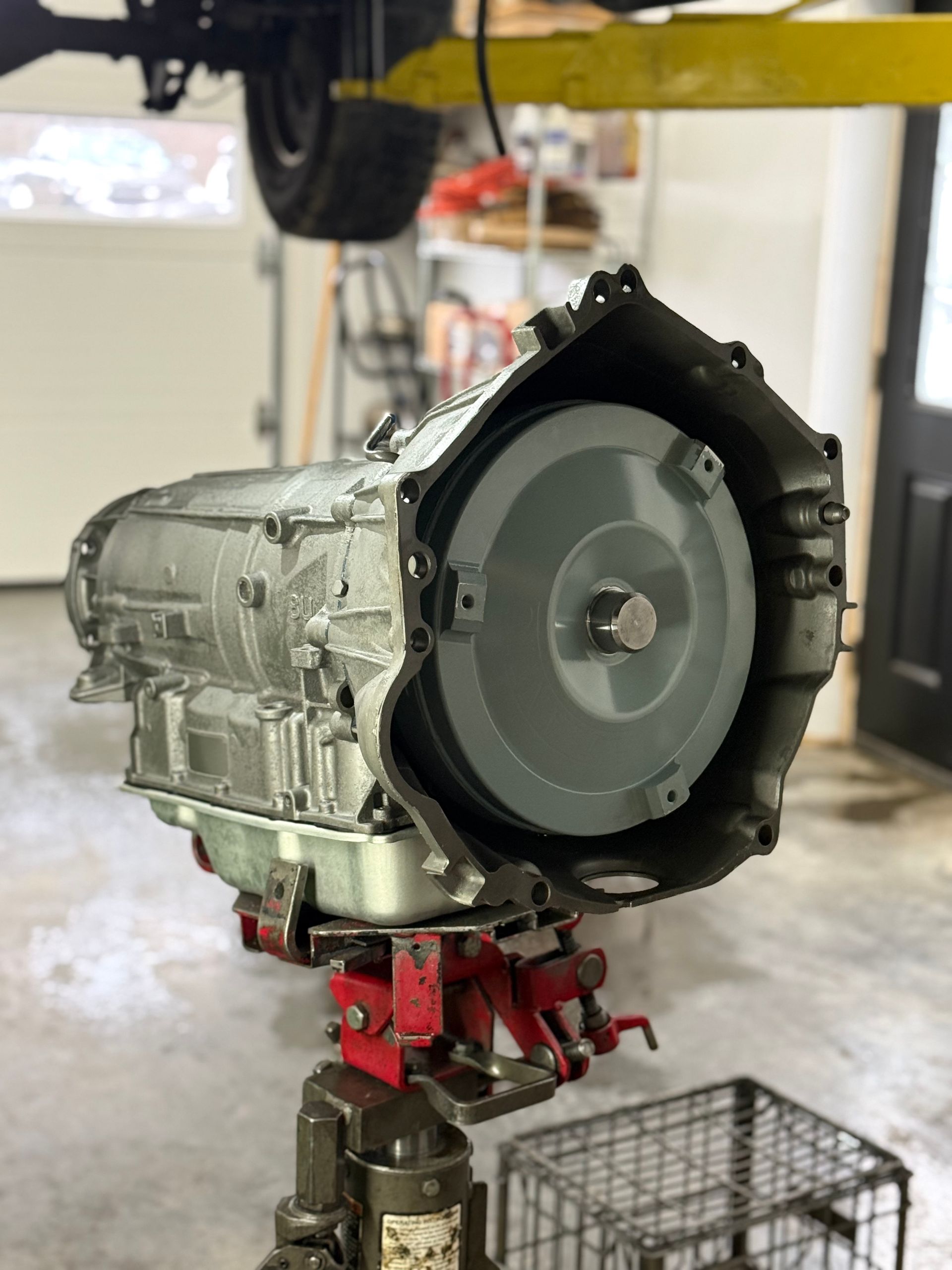
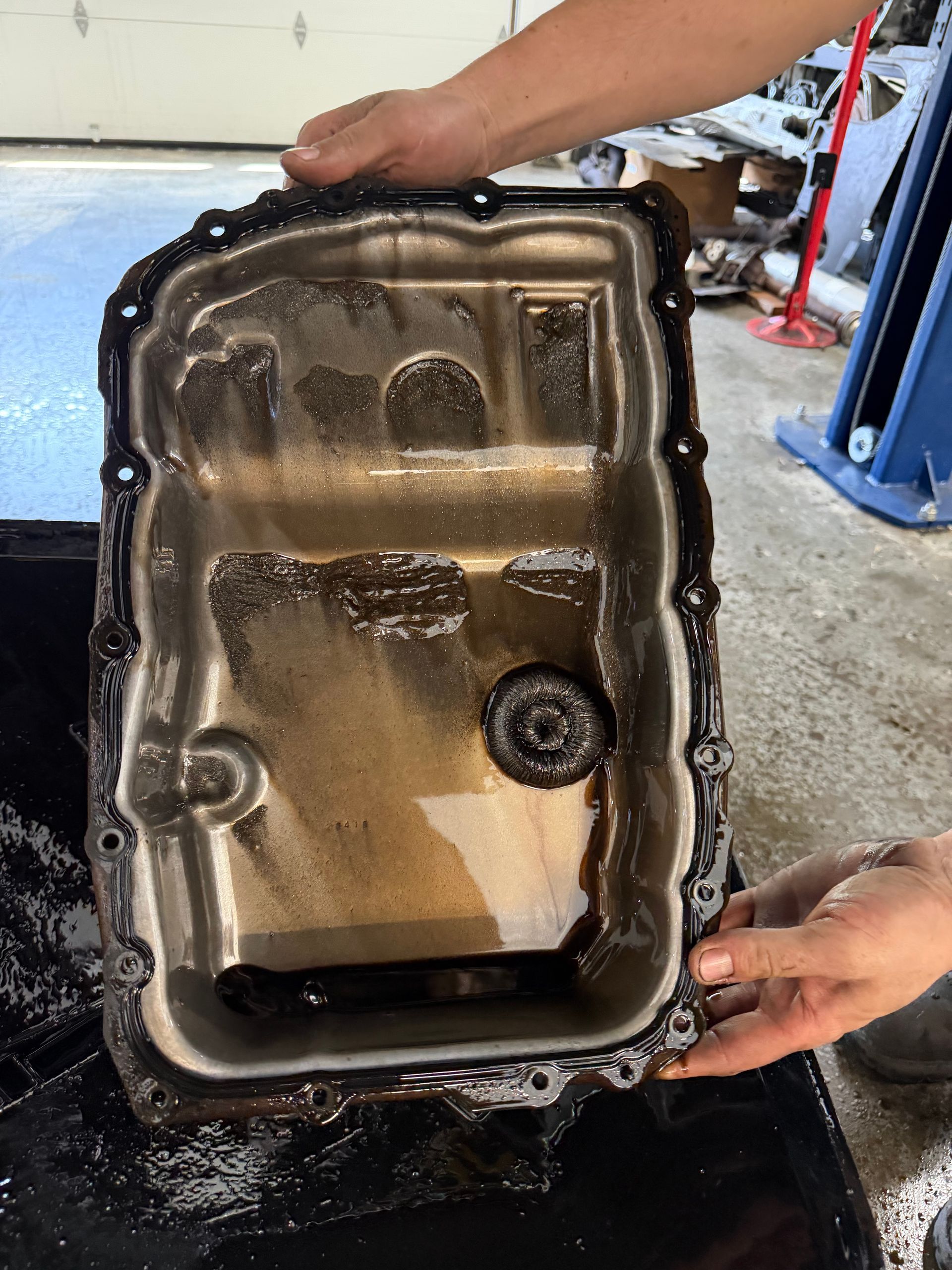
Another customer had a used unit installed elsewhere but was sent to us because the original shop couldn’t perform the required programming. When we got the vehicle in, we found things like missing bolts, fasteners not properly torqued and an active transmission leak. That’s not just an inconvenience that’s a reliability and safety issue. Transmission installation is a precision job. Torque specs, sealing surfaces, electrical connections, and software calibration all matter. When one shop installs it and another shop has to finish it, things get missed.
Why Transmission Work Is Different
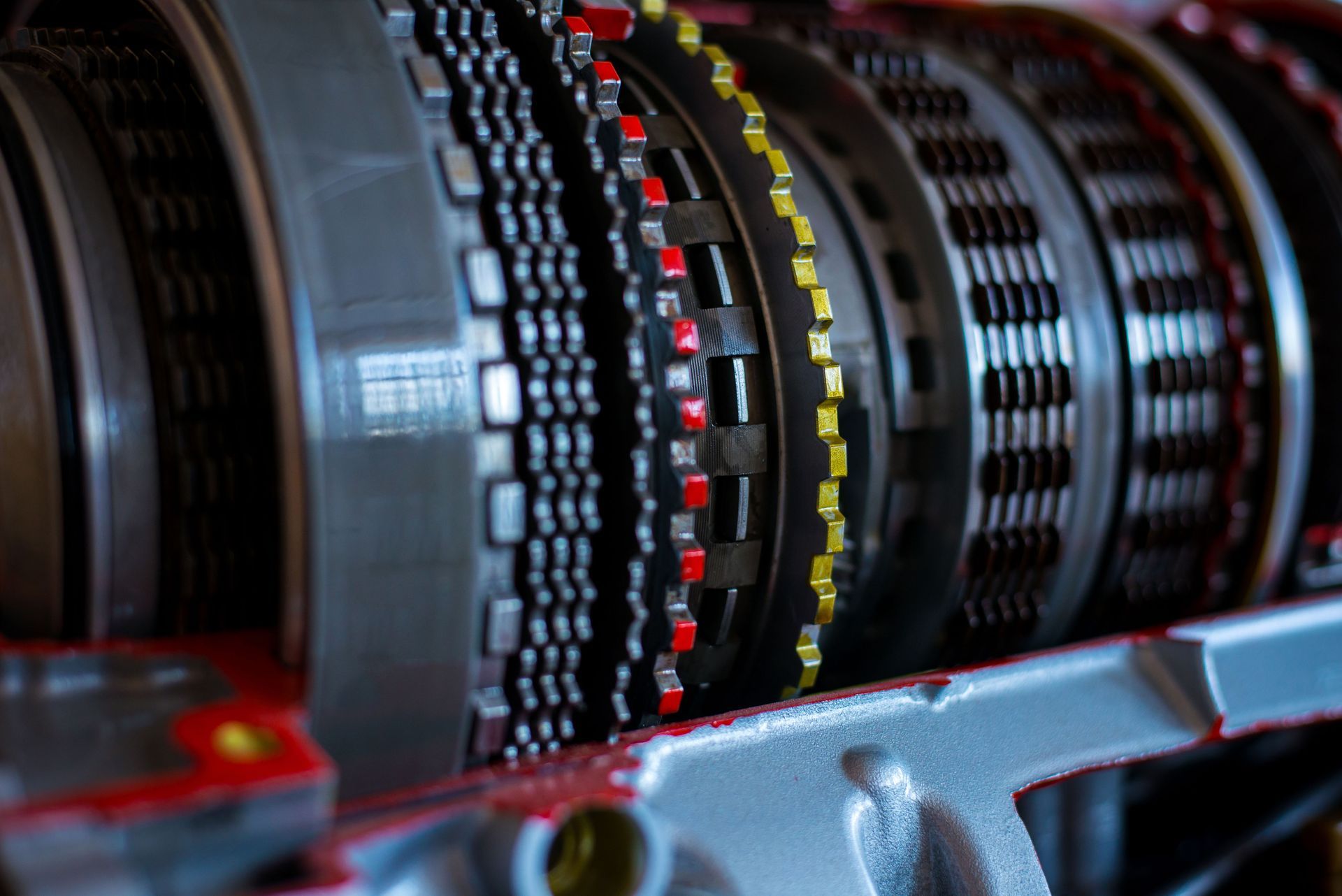
Modern transmissions are one of the most complex systems in a vehicle. They combine Mechanical components, hydraulic circuits, electronic solenoids, and computer controls that often require manufacturer-level programming. A general repair shop may be excellent at brakes, suspension, and routine maintenance, but transmissions require specialized tools, training, and experience. At a transmission shop, this is what we do every day. We know the common failure points, the proper diagnostic flow, and the exact procedures to make sure the job is done right the first time. We have also invested in dealer level software so we can program the vehicle in house.
The True Cost: Up Front vs. Long Term
We understand that a specialty shop can sometimes cost more up front. But here’s what you’re actually paying for a correct diagnosis before parts are replaced, proper installation that follows torque specs and procedures. We also check the cooler system to prevent repeat failure, program in house and complete the relearn procedure. We also have a quality control procedure to ensure your vehicle is tested before leaving.
Compare that to a used transmission where you're paying for a used transmission, the labor to install it, and any additional labor to remove it and or repair it, fluids, seals, and hardware. On top of bringing your vehicle to another shop for programming. All of that adds up to lost time without your vehicle. The “cheaper” route often becomes the most expensive one.
One Shop, One Complete Job
Another major advantage of choosing a transmission specialist is that the entire job is handled under one roof. From diagnosis to removal, rebuild or replacement, installation, programming, and final testing there’s no handoff between shops and no missing steps. This means; accountability, consistency, a proper warranty process, faster turnaround, and most importantly peace of mind.
The Bottom Line
If your vehicle has a transmission concern, the best first step is to bring it to a shop that specializes in transmissions. It may cost more at the start, but it prevents repeat repairs, incomplete work, and unnecessary downtime.
Your transmission is too important and too complex to trust to guesswork. Getting it diagnosed and repaired correctly the first time is always the most affordable option in the long run.
If you’re experiencing slipping, harsh shifting, delayed engagement, warning lights, or fluid leaks, have it checked by a transmission professional. It can be the difference between a straightforward repair and a long, expensive cycle of rework.