August 11, 2026
Why Does My Car Hesitate Before Going Into Drive or Reverse?
You start your car, move the shifter into Drive or Reverse, and… nothing happens.
Maybe it takes a second or two before the vehicle begins to move. Maybe you have to press the gas before it finally engages. Or maybe there’s a noticeable delay followed by a hard clunk or bang when the transmission finally goes into gear.
This is commonly called delayed engagement, and it can be an early warning sign of a transmission problem.
If you're wondering, “Why does my car hesitate before going into Drive or Reverse?”, there are several possible causes. Some are relatively minor, while others can indicate hydraulic pressure loss or internal transmission wear.
The important part is figuring out why the delay is happening before it causes additional damage.
What Is Delayed Transmission Engagement?
When you shift an automatic transmission from Park or Neutral into Drive or Reverse, the transmission should engage fairly quickly.
Inside the transmission, hydraulic pressure is being directed to specific clutch packs and components that allow the vehicle to move forward or backward.
If the transmission can't build or direct that pressure quickly enough, you may notice a delay between moving the shifter and feeling the transmission engage.
That delay is what we call delayed engagement.
What Does Delayed Engagement Feel Like?
The most obvious symptom is putting the vehicle into Drive or Reverse and having to wait before anything happens.
You may also notice:
- A delay before the vehicle begins moving
- Longer engagement when shifting into Reverse
- Longer engagement when shifting into Drive
- Engine revving before the transmission engages
- A hard clunk or bang when it finally goes into gear
- Delayed engagement only when the vehicle is cold
- Delayed engagement after the vehicle is hot
- Slipping once the vehicle begins moving
- Hard or inconsistent shifting
- Check engine or transmission warning lights
One detail that can be particularly helpful during diagnosis is when the problem happens.
A transmission that only hesitates on the first shift of the morning may have a different problem than one that begins delaying engagement after you've driven for 30 minutes.
Why Does My Transmission Take a Few Seconds to Go Into Drive or Reverse?
There isn't one single cause.
Automatic transmissions depend on transmission fluid, hydraulic pressure, seals, clutch packs, solenoids, the valve body, and electronic controls working together.
A problem in any of these areas can potentially cause delayed engagement.
1. Low Transmission Fluid
Low transmission fluid can prevent the transmission from building hydraulic pressure as quickly as it should.
When the fluid level is too low, you may experience delayed engagement, slipping, erratic shifting, overheating, or other transmission problems.
However, transmission fluid normally doesn't disappear on its own.
If the fluid level is low, there may be a leak that needs to be found and addressed.
Simply adding fluid without determining where it went may only temporarily hide the problem.
2. Worn or Hardened Internal Seals
Automatic transmissions contain seals that help maintain hydraulic pressure throughout the unit.
As these seals age, they can become worn, hardened, or damaged. Fluid may then leak past areas where pressure is supposed to be contained.
Instead of a clutch applying immediately, the transmission may need additional time to build enough pressure for the clutch to engage.
This can sometimes explain why an older transmission takes several seconds to engage Drive or Reverse.
3. Valve Body Problems
The valve body is responsible for directing transmission fluid to different areas of the transmission.
Inside it are valves and precisely machined passages that control hydraulic pressure and transmission operation.
As the valve body wears, hydraulic pressure can leak internally or be directed incorrectly.
Depending on the transmission, valve body wear can cause:
- Delayed engagement
- Hard shifting
- Shift flares
- Transmission slipping
- Erratic shifts
- Incorrect gear operation
- Transmission trouble codes
A valve body problem doesn't always mean the entire transmission needs to be replaced or remanufactured, but it needs to be properly diagnosed.
4. Transmission Solenoid Problems
Modern automatic transmissions use solenoids to electronically control fluid flow and pressure.
If a solenoid is sticking, electrically failing, or unable to properly control hydraulic pressure, the transmission may hesitate before engaging.
But a solenoid-related trouble code does not automatically mean the solenoid itself has failed.
Wiring problems, valve body wear, hydraulic pressure loss, and internal transmission problems can sometimes create similar symptoms or codes.
This is why replacing whatever part is named in a trouble code isn't always the correct repair.
5. Worn Clutch Packs
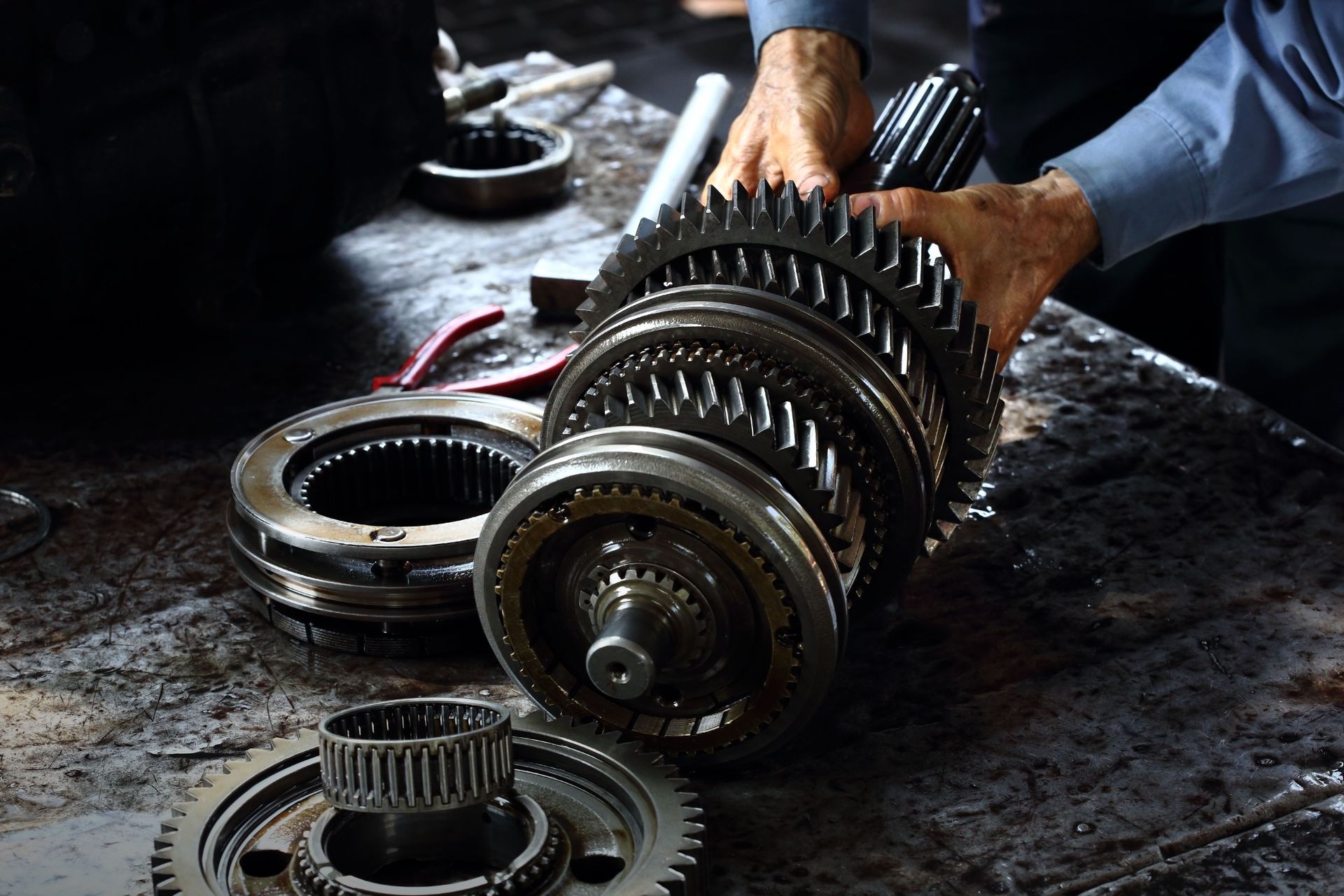
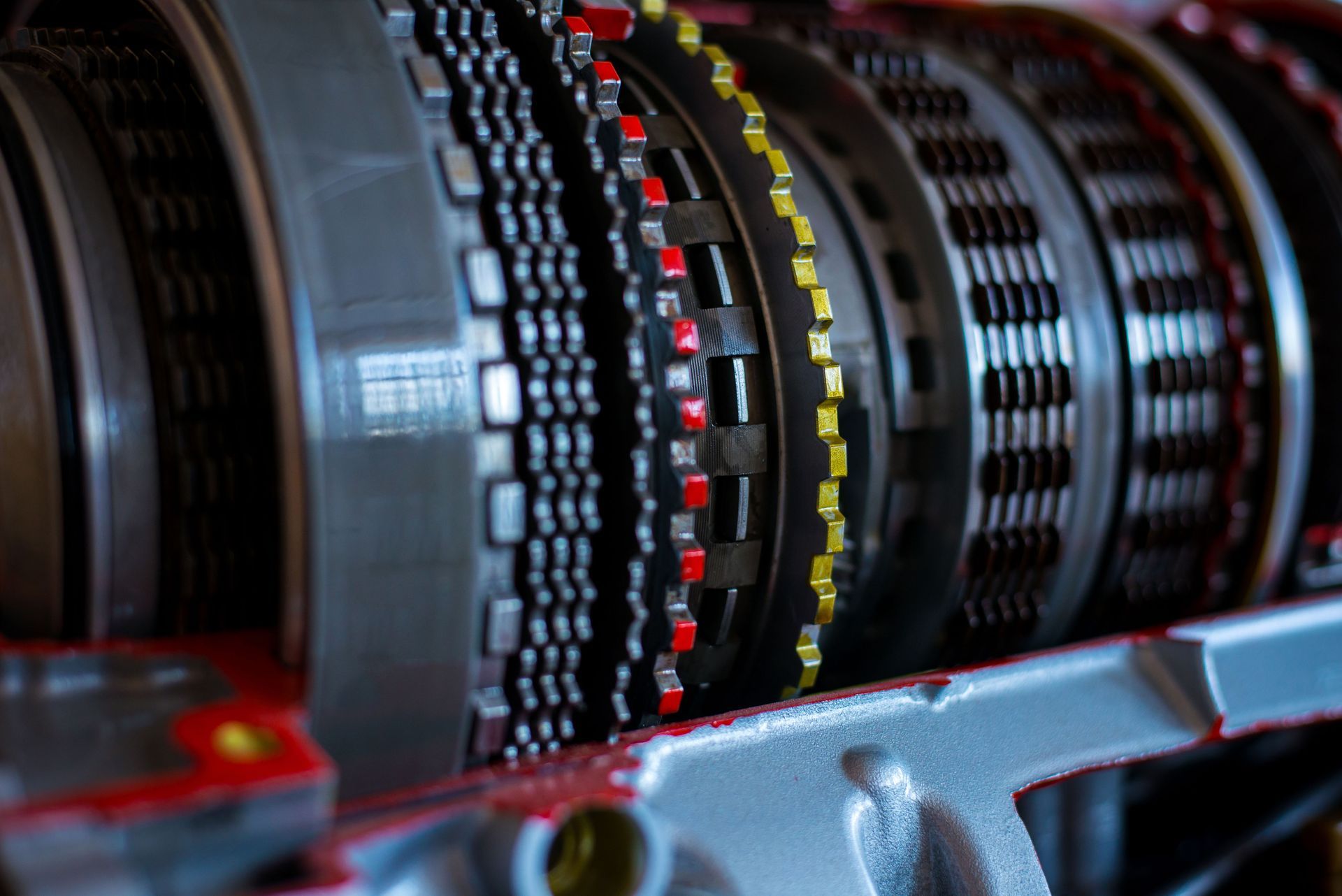
Inside an automatic transmission are clutch packs that apply to create the different gears.
When you select Drive or Reverse, the appropriate clutch needs enough hydraulic pressure to apply firmly.
If the friction material on that clutch is worn or damaged, it may take longer to engage or may slip once applied.
A transmission with worn clutches may hesitate before moving and then suddenly bang into gear once the clutch finally grabs.
At that point, the problem is generally more than a simple fluid or electronic issue.
6. Transmission Pump or Pressure Problems
The transmission pump is responsible for circulating fluid and creating the hydraulic pressure needed for the transmission to operate.
A worn pump or another hydraulic pressure problem can cause slow or inconsistent pressure buildup.
That can result in delayed engagement, slipping, whining noises, poor shifting, or loss of movement.
Hydraulic pressure problems are one reason a transmission specialist may need to perform additional testing rather than relying solely on diagnostic trouble codes.
Why Does My Car Hesitate Going Into Reverse but Not Drive?
This is an important clue.
Drive and Reverse don't necessarily use all of the same internal components or hydraulic circuits.
If the vehicle engages Drive normally but takes several seconds to engage Reverse, the problem may involve a component or hydraulic circuit specifically used for Reverse.
The opposite can also happen.
This is why telling your technician exactly which gear is delayed and under what conditions can help with diagnosis.
Why Does My Transmission Only Hesitate When It's Cold?
Some delayed-engagement problems are much more noticeable first thing in the morning or after the vehicle has been sitting for several hours.
Temperature changes the characteristics of transmission fluid, seals, and hydraulic operation.
Worn seals, internal leakage, fluid drain-back, valve body wear, and other hydraulic problems can become more noticeable during a cold start.
You may put the vehicle into Drive or Reverse and wait several seconds before it engages—but after driving for a while, the transmission seems completely normal.
That doesn't necessarily mean the problem has gone away.
Why Does My Transmission Hesitate More When It's Hot?
The opposite situation is also possible.
A transmission may operate normally when cold and develop delayed engagement, slipping, or poor shifting once it reaches operating temperature.
As transmission fluid gets hotter and thinner, internal hydraulic leaks caused by worn components can become more noticeable.
A transmission that consistently acts differently hot versus cold provides valuable information during diagnosis.
Why Does My Car Bang Into Gear After Hesitating?
This is something we recommend having checked sooner rather than later.
If the transmission doesn't engage immediately, some drivers instinctively press the accelerator.
The engine RPM rises while the transmission is still trying to apply the clutch.
When the transmission finally develops enough pressure to engage, it can apply suddenly while the engine is already revving—causing a harsh bang or clunk into gear.
Repeatedly doing this can put additional stress on transmission and drivetrain components.
If your vehicle hesitates before engaging, avoid revving the engine to force it into gear.
Will Changing the Transmission Fluid Fix Delayed Engagement?
Sometimes a fluid-related issue can contribute to delayed engagement, but a transmission service isn't a universal fix.
If the transmission is low because of a leak, the leak needs to be addressed.
If the delay is being caused by worn seals, valve body wear, damaged clutch packs, or another internal problem, fresh fluid cannot repair those components.
Before performing a transmission service specifically to correct a shifting problem, it makes sense to determine what is actually causing the symptom.
Does Delayed Engagement Mean My Transmission Is Going Bad?
Not necessarily—but it shouldn't be ignored.
Delayed engagement can be caused by several different problems, and some can be repaired without completely remanufacturing the transmission.
Others are signs of significant internal wear.
The length of the delay, whether it happens in Drive or Reverse, whether it's worse hot or cold, and what happens after the transmission engages can all help determine what's going on.
How Do We Diagnose Delayed Engagement?
At Superior Transmissions & Auto, transmission diagnosis is more than plugging in a scanner and reading a code.
Whenever possible, we want to experience the symptom ourselves.
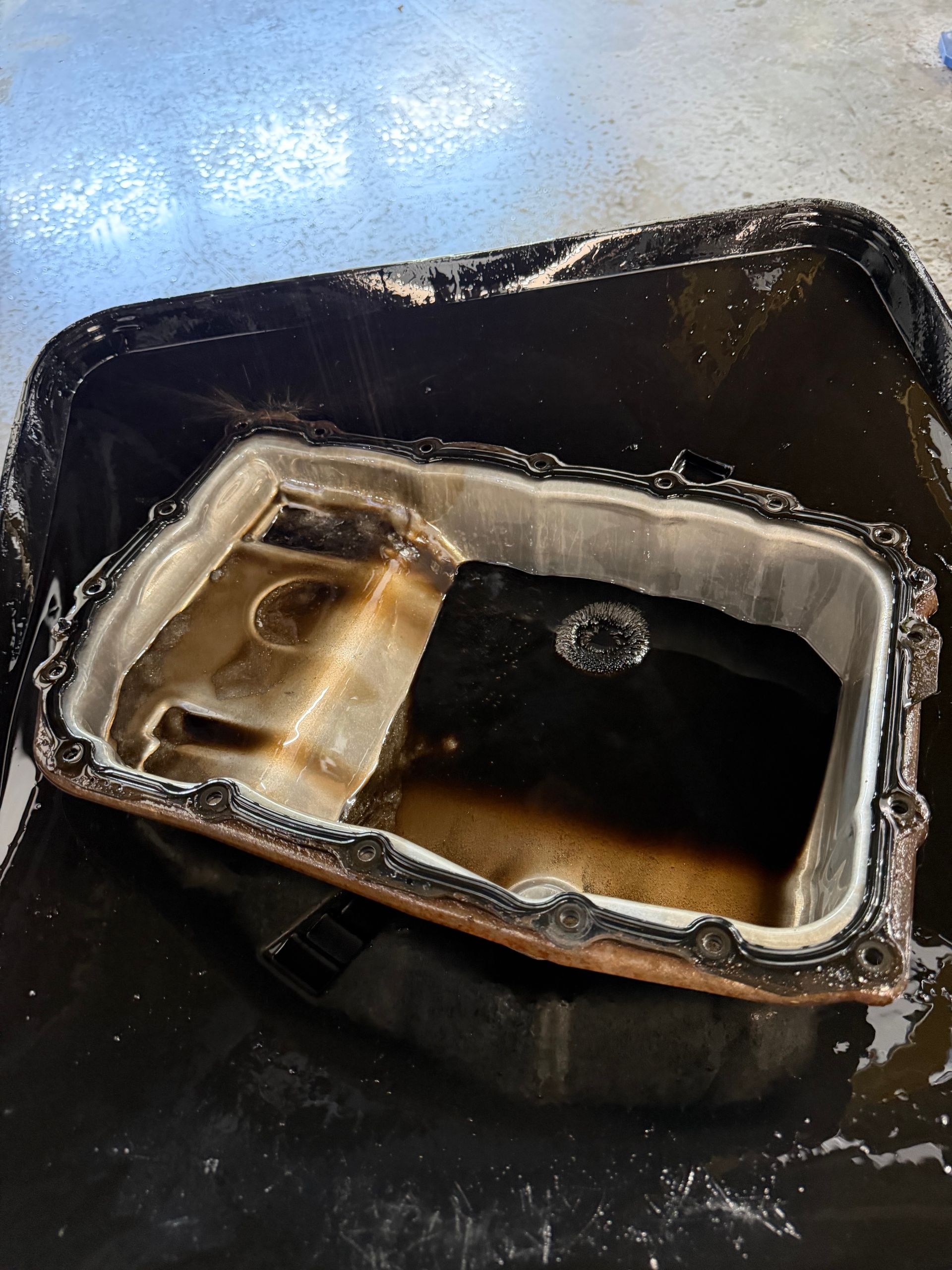
The vehicle may be test driven and scanned for diagnostic trouble codes while transmission data is evaluated. We can also check the vehicle on a lift, inspect for leaks, evaluate the transmission fluid and, when appropriate, inspect the transmission pan for evidence of internal wear.
For an intermittent problem, we also want to know exactly when it occurs.
Does it happen after sitting overnight?
Only when the transmission is hot?
Only in Reverse?
Does it take one second to engage—or ten?
Does it engage smoothly after the delay, or does it slam into gear?
Those details matter.
Should I Keep Driving If My Transmission Is Delayed Going Into Gear?
A slight delay doesn't tell us how severe the underlying problem is, but a delay that is becoming longer or is accompanied by slipping, banging, warning lights, or loss of movement should be diagnosed.
Continuing to drive with a transmission that isn't applying its clutches correctly can create additional heat and wear.
And if you find yourself needing to rev the engine to make the vehicle move, that's a strong indication that the problem needs attention.
Transmission Hesitating Going Into Drive or Reverse in Montgomery, NY?
If your car takes a few seconds to move after you put it into Drive or Reverse, don't assume you automatically need a new transmission—and don't assume a fluid change will automatically fix it.
The first step is figuring out why the transmission is experiencing delayed engagement.
At Superior Transmissions & Auto in Montgomery, NY, we specialize in diagnosing transmission problems and remanufacturing transmissions in-house when internal repair is necessary.
We work with drivers throughout Montgomery, Middletown, Orange County, and the Hudson Valley who are experiencing delayed engagement, transmission slipping, hard shifts, shuddering, warning lights, and other transmission concerns.
If something about the way your vehicle shifts has changed, having it properly diagnosed early can help determine what you're dealing with before additional damage occurs.
Superior Transmissions & Auto
663 State Route 17K
Montgomery, NY 12549
(845) 522-8104
When Bad Shifts Happen, We Fix It!