August 7, 2026
Is My Transmission Slipping? Signs, Causes & How Long You Can Drive With It

If you searched “is my transmission slipping?” because your vehicle suddenly feels different, you’re right to pay attention. Transmission slipping is one of the most common signs of a transmission problem, and catching the cause early can sometimes prevent additional damage.
At Superior Transmissions & Auto in Montgomery, NY, we diagnose transmission slipping, hard shifting, delayed engagement, shuddering, transmission warning lights, and other transmission problems for drivers throughout Orange County and the Hudson Valley.
But what exactly does it mean when a transmission slips? What does a slipping transmission feel like? And most importantly, how long can you drive with a slipping transmission?
Here’s what you should know.
What Does Transmission Slipping Mean?
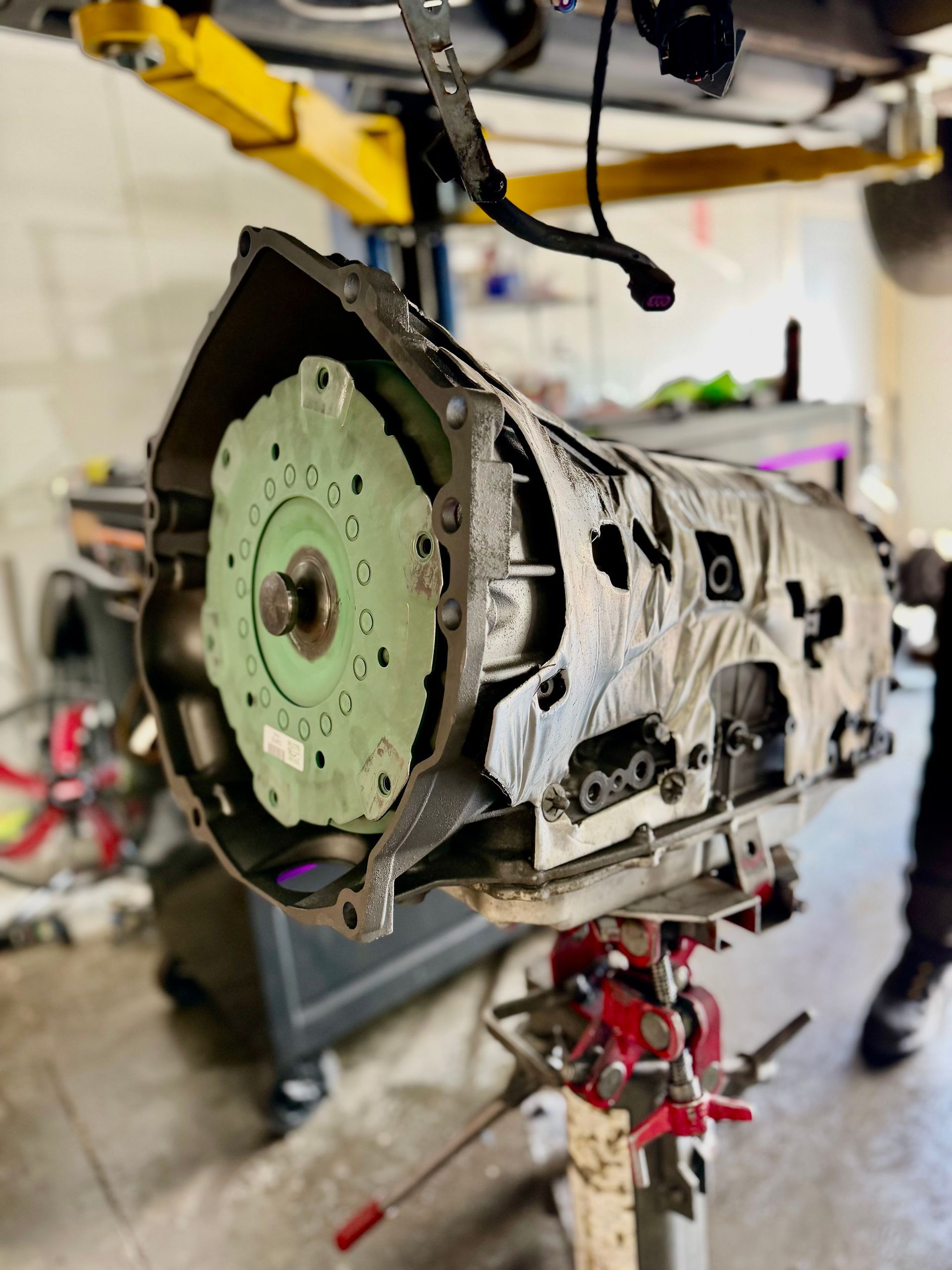
A transmission is responsible for transferring power from your engine to the wheels while selecting the correct gear for your speed and driving conditions.
When a transmission is slipping, the engine may be producing power, but the transmission is not transferring that power correctly or maintaining the proper gear.
One of the most common signs is an increase in engine RPM without a matching increase in vehicle speed.
For example, you press the gas and hear the engine rev higher, but the vehicle hesitates or doesn't accelerate the way it should. You may also notice the RPM suddenly flare between shifts before dropping back down.
Transmission slipping can happen occasionally at first and become progressively worse as the underlying problem develops.
Is My Transmission Slipping? Common Signs to Watch For
A slipping transmission doesn't always feel the same from one vehicle to another. Modern automatic transmissions, CVTs, and electronically controlled transmissions can display problems in very different ways.
Common signs of a slipping transmission include:
- Engine RPM increases without the vehicle accelerating normally
- RPM flares between gear changes
- Vehicle feels like it briefly falls out of gear
- Delayed engagement when shifting into Drive or Reverse
- Vehicle struggles to move from a stop
- Transmission unexpectedly changes gears
- Loss of power during acceleration
- Shuddering or vibration while driving
- Burning smell
- Harsh or abnormal shifts
- Check Engine or transmission warning light
- Transmission goes into reduced-power or failsafe mode
Sometimes customers describe the problem as the vehicle feeling like it is “revving but not going,” “hesitating,” “losing gear,” or “taking a second to catch.” Those can all be descriptions of transmission slipping.
However, these symptoms don't automatically mean the entire transmission needs to be replaced or rebuilt. Proper diagnosis is important before determining what repair is actually necessary.
What Causes a Transmission to Slip?
There are many reasons a transmission can begin slipping. Some are relatively straightforward, while others indicate an internal transmission failure.
Low or Incorrect Transmission Fluid
Automatic transmissions rely heavily on proper fluid level and hydraulic pressure. If the transmission is low on fluid because of a leak, it may not be able to maintain the pressure necessary to properly apply the clutches and operate the transmission.
Using the incorrect type of transmission fluid can also cause problems, especially in modern transmissions and CVTs that require very specific fluids.
Worn Internal Clutches
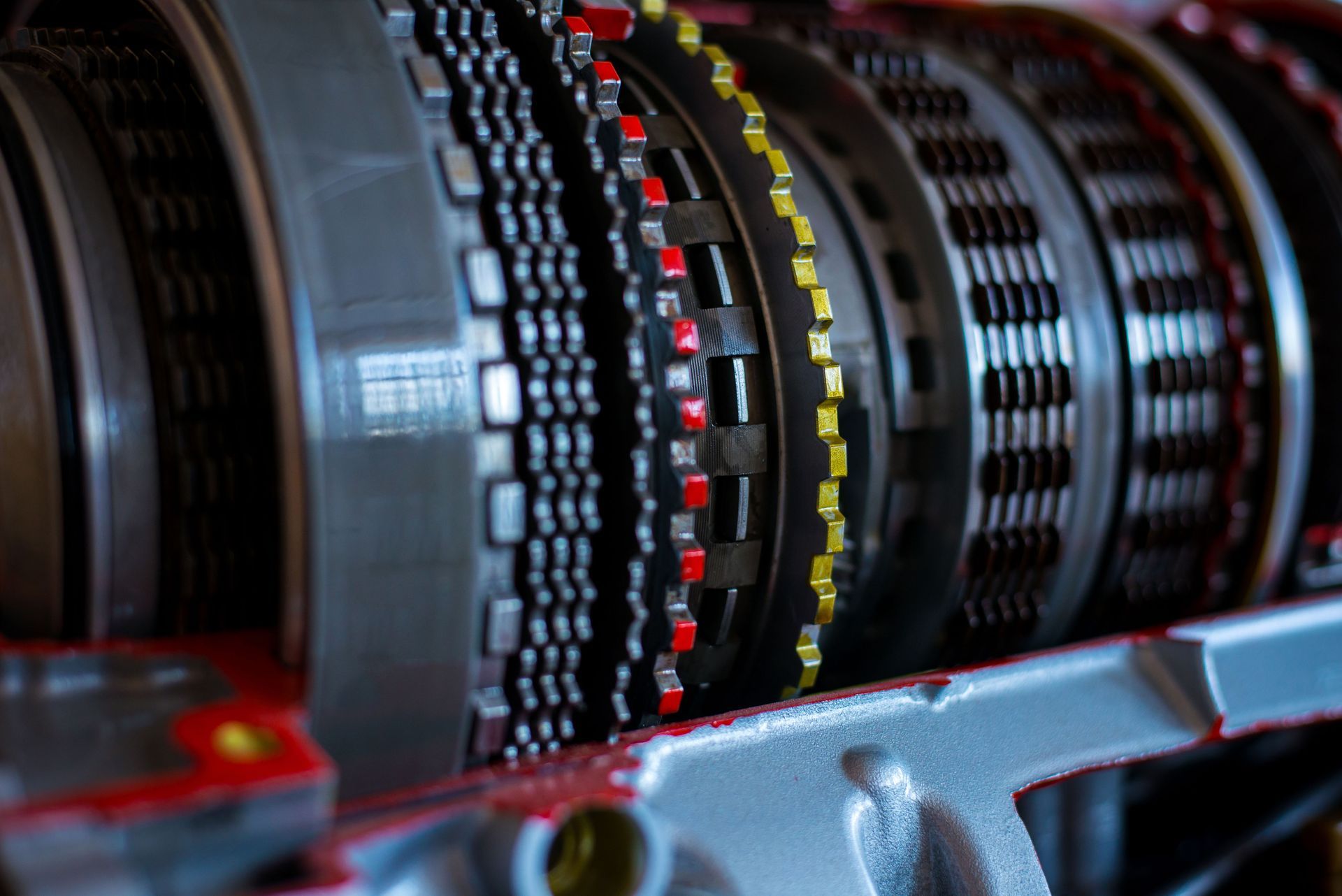
Automatic transmissions contain internal clutch packs that apply different components to create each gear.
Over time, clutch material can wear down or become damaged. Once a clutch can no longer hold properly, it may begin slipping under load.
If this is happening, simply changing the transmission fluid generally will not repair the damaged internal components.
Torque Converter Problems
The torque converter transfers power between the engine and automatic transmission. Problems with the torque converter or torque converter clutch can cause symptoms including shuddering, RPM fluctuations, slipping sensations, overheating, or abnormal converter slip.
Torque converter problems are especially important to diagnose correctly because continued operation can circulate debris through the transmission and cause additional damage.
Valve Body or Solenoid Problems
Modern transmissions use a combination of hydraulic pressure, electronic solenoids, and a valve body to control gear changes.
A sticking valve, worn valve bore, failed solenoid, or pressure-control problem can cause delayed shifts, incorrect gear application, slipping, flaring, or harsh shifts.
Internal Transmission Damage
In some cases, transmission slipping is the result of internal mechanical damage. Worn clutch packs, damaged drums, bushings, pumps, bearings, seals, sprags, or other internal components can affect the transmission's ability to maintain the correct gear.
This is why diagnosing the cause of the slipping is more important than simply identifying that the transmission slips.
Can a Transmission Fluid Change Fix Slipping?
Sometimes a fluid-related issue contributes to poor transmission operation, but a transmission service is not a universal fix for transmission slipping.
If a transmission is slipping because the fluid level is low, correcting the leak and restoring the proper fluid level may improve operation if internal damage has not already occurred.
However, if the transmission is slipping because the internal clutch material is worn or another component has failed, new fluid cannot replace damaged parts.
This is one reason we recommend having a slipping transmission properly diagnosed rather than automatically requesting a transmission flush or fluid change.
How Long Can I Drive With a Slipping Transmission?
If you're asking “how long can I drive with my transmission slipping?”, there isn't a safe number of miles or days that applies to every vehicle.
A transmission that slips once under a specific condition may behave very differently from one that slips every time you accelerate.
The bigger concern is that continuing to drive a transmission that is actively slipping can create additional heat and wear.
When internal clutches slip instead of holding firmly, friction generates heat and can rapidly damage clutch material. Debris from damaged components may then circulate through the transmission, potentially damaging other parts.
A problem that may have originally involved one component can become a much larger repair if the vehicle continues to be driven.
If your transmission is severely slipping, struggling to move, losing gears, making abnormal noises, overheating, or displaying a transmission warning, the safest choice is to stop driving the vehicle and have it evaluated.
Don't assume that because the vehicle still moves, it is safe to continue driving.
Will a Slipping Transmission Always Set a Check Engine Light?
No.
A transmission can have a noticeable problem without immediately turning on the Check Engine light.
Modern vehicles monitor transmission operation closely, and certain failures may eventually set diagnostic trouble codes. However, mechanical wear and intermittent slipping can sometimes be noticeable before the computer determines that a fault has occurred.
That's why no warning light does not necessarily mean no transmission problem.
If the vehicle's RPM is flaring, it's hesitating between gears, or something simply feels different, having it checked is better than waiting for a warning light.
Does Transmission Slipping Mean I Need a New Transmission?
Not necessarily.
Transmission slipping is a symptom, not a diagnosis.
Depending on the vehicle and the cause, the problem could involve fluid level, a leak, electronics, a valve body, solenoids, a torque converter, internal components, or another issue affecting transmission operation.
At Superior Transmissions & Auto, we don't believe in diagnosing a transmission based on one symptom alone.
We want to determine why it's slipping before recommending a repair.
How We Diagnose a Slipping Transmission
When possible, diagnosing a transmission problem starts with experiencing the customer's concern firsthand.
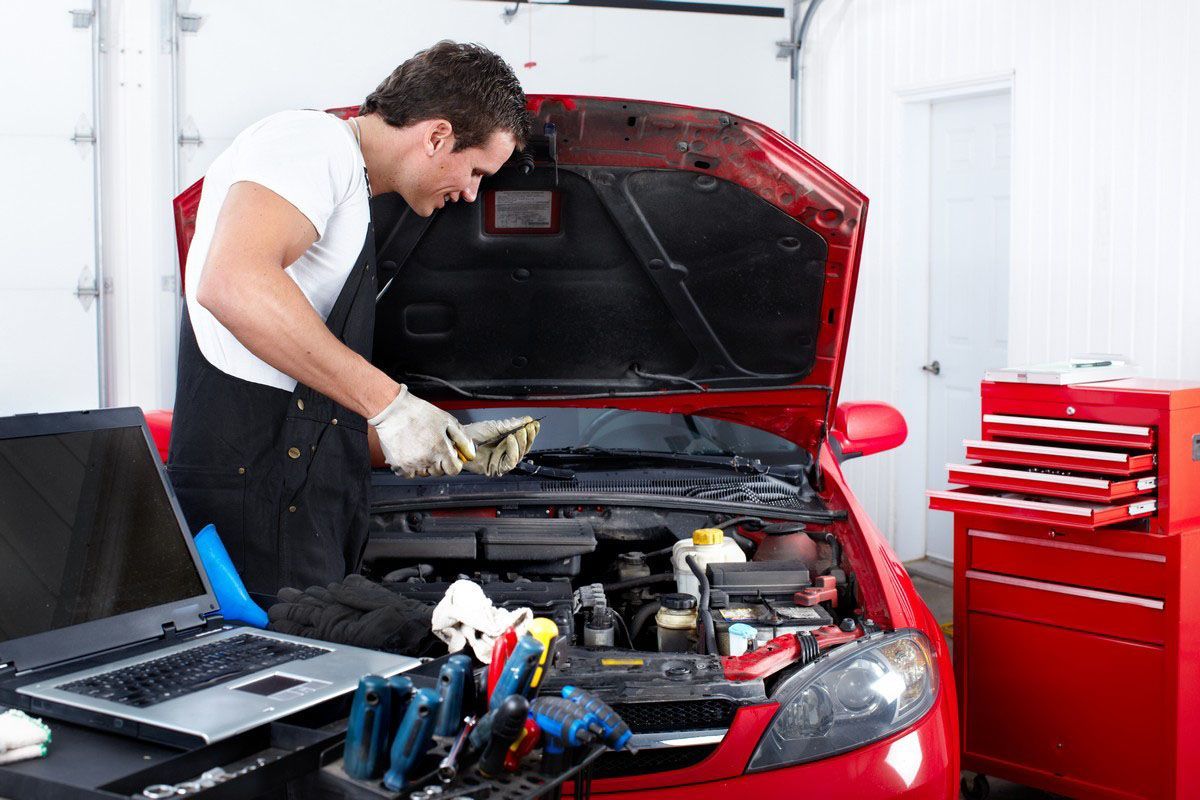
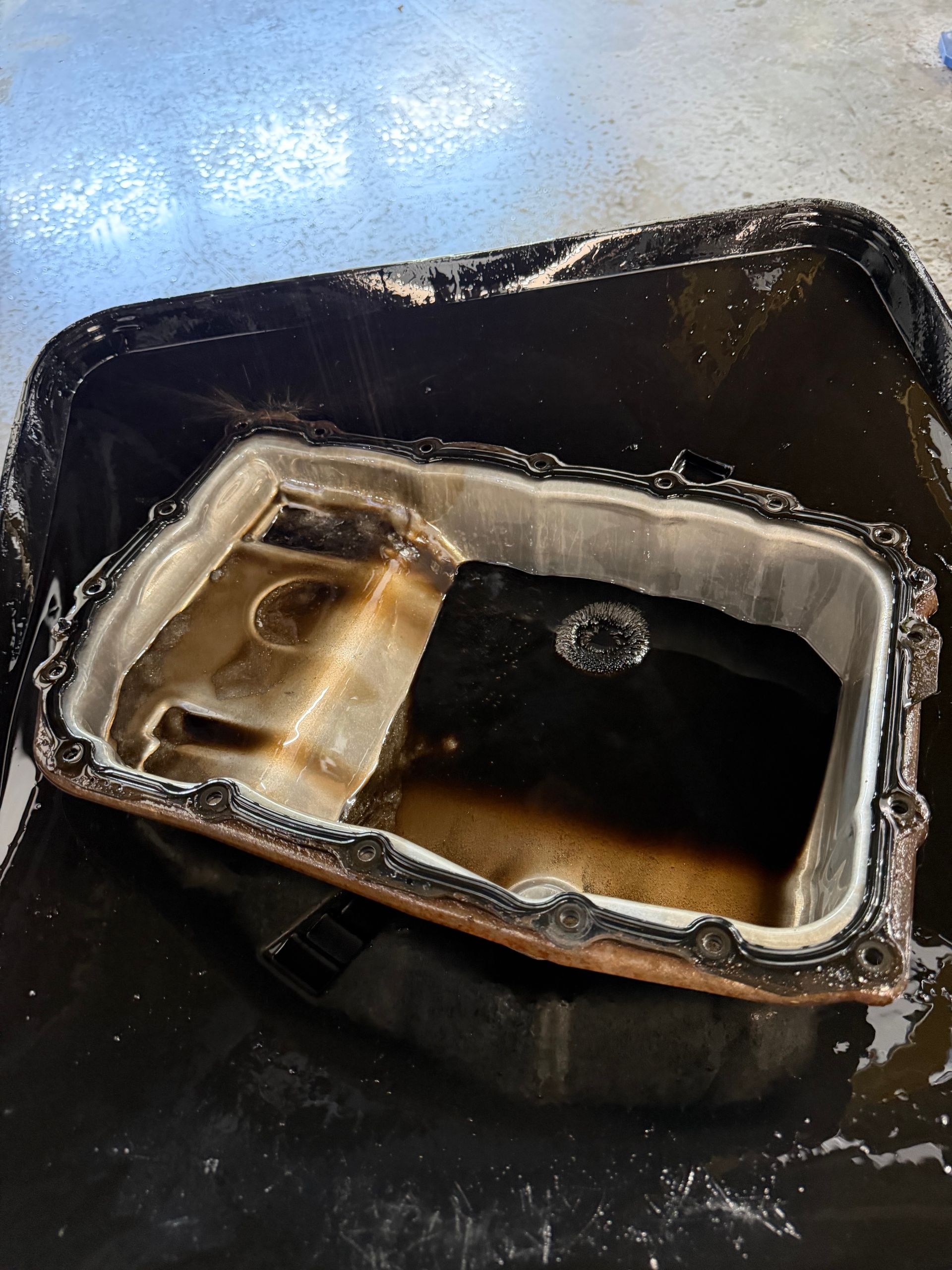
Depending on the condition of the vehicle, our diagnostic process may include a road test, computer scan, live transmission data analysis, fluid inspection, leak inspection, lift inspection, and transmission pan inspection when necessary.
The computer scan can show much more than whether the Check Engine light is on. Depending on the vehicle, live data may allow us to evaluate commanded gear, actual gear ratios, transmission temperature, torque converter operation, pressure-related data, shift timing, and other information.
The condition of the transmission fluid and what's found inside the transmission pan can also provide valuable information about what's happening internally.
Our goal isn't simply to say “the transmission is bad.”
We want to identify the failure and determine the appropriate repair.
Transmission Slipping When Cold vs. When Hot
Pay attention to when the transmission slips because that information can be extremely useful during diagnosis.
Some transmission problems are worse when the vehicle is cold. Others don't appear until the transmission reaches operating temperature.
You may notice:
Slipping when cold: The transmission slips or hesitates during the first few minutes of driving but improves as the vehicle warms up.
Slipping when hot: The vehicle drives normally at first but begins slipping, shifting poorly, or acting differently after 20–30 minutes of driving.
Slipping under acceleration: The transmission seems normal during light driving but slips when accelerating harder, climbing a hill, or putting the vehicle under load.
Slipping between certain gears: You may notice an RPM flare or hesitation during one particular shift.
These details can help your transmission technician narrow down the problem.
What Should I Do If I Think My Transmission Is Slipping?
Don't wait for the vehicle to stop moving completely.
If you think your transmission is slipping, pay attention to when it happens and avoid unnecessary driving until you know what's causing it.
When you contact us, information such as whether it happens hot or cold, what speed it occurs at, whether it happens during acceleration, which shift feels abnormal, and whether any warning lights are on can help us understand your concern.
The earlier a transmission problem is properly diagnosed, the better chance you have of avoiding unnecessary additional damage.
Transmission Slipping Diagnosis in Montgomery, NY
If you're experiencing transmission slipping in Montgomery, Middletown, Newburgh, New Windsor, Walden, Maybrook, Goshen, Chester, Monroe, Cornwall, or anywhere in Orange County and the Hudson Valley, Superior Transmissions & Auto can help determine what's actually happening.
We specialize in transmission diagnosis and in-house transmission rebuilding, allowing us to diagnose, remove, disassemble, repair, rebuild, program, and test transmissions without simply shipping the job somewhere else.
We work on a wide range of automatic transmissions, including traditional automatics, CVTs, electronically controlled transmissions, truck transmissions, and many common domestic and import applications.
If your vehicle is revving without accelerating, hesitating between gears, slipping when hot, slipping when cold, or just doesn't feel like it's shifting correctly, don't wait until you're stranded.
Superior Transmissions & Auto
663 State Route 17K
Montgomery, NY 12549
(845) 522-8104
When Bad Shifts Happen, We Fix It!