August 7, 2026
What Is a Transmission Valve Body and What Does It Do?
Modern automatic transmissions are complicated systems made up of mechanical, hydraulic, and electronic components all working together. One of the most important — and often misunderstood — parts is the transmission valve body.
You may have heard a technician mention a valve body if your vehicle is experiencing hard shifts, delayed engagement, slipping, shift flares, shuddering, or other transmission problems.
But what exactly is a transmission valve body, what does it do, and what does it mean when we update one during a transmission repair or rebuild?
At Superior Transmissions & Auto in Montgomery, NY, valve body inspection, repair, modification, and updating are an important part of many of the transmissions we repair and rebuild in-house.
What Is a Transmission Valve Body?
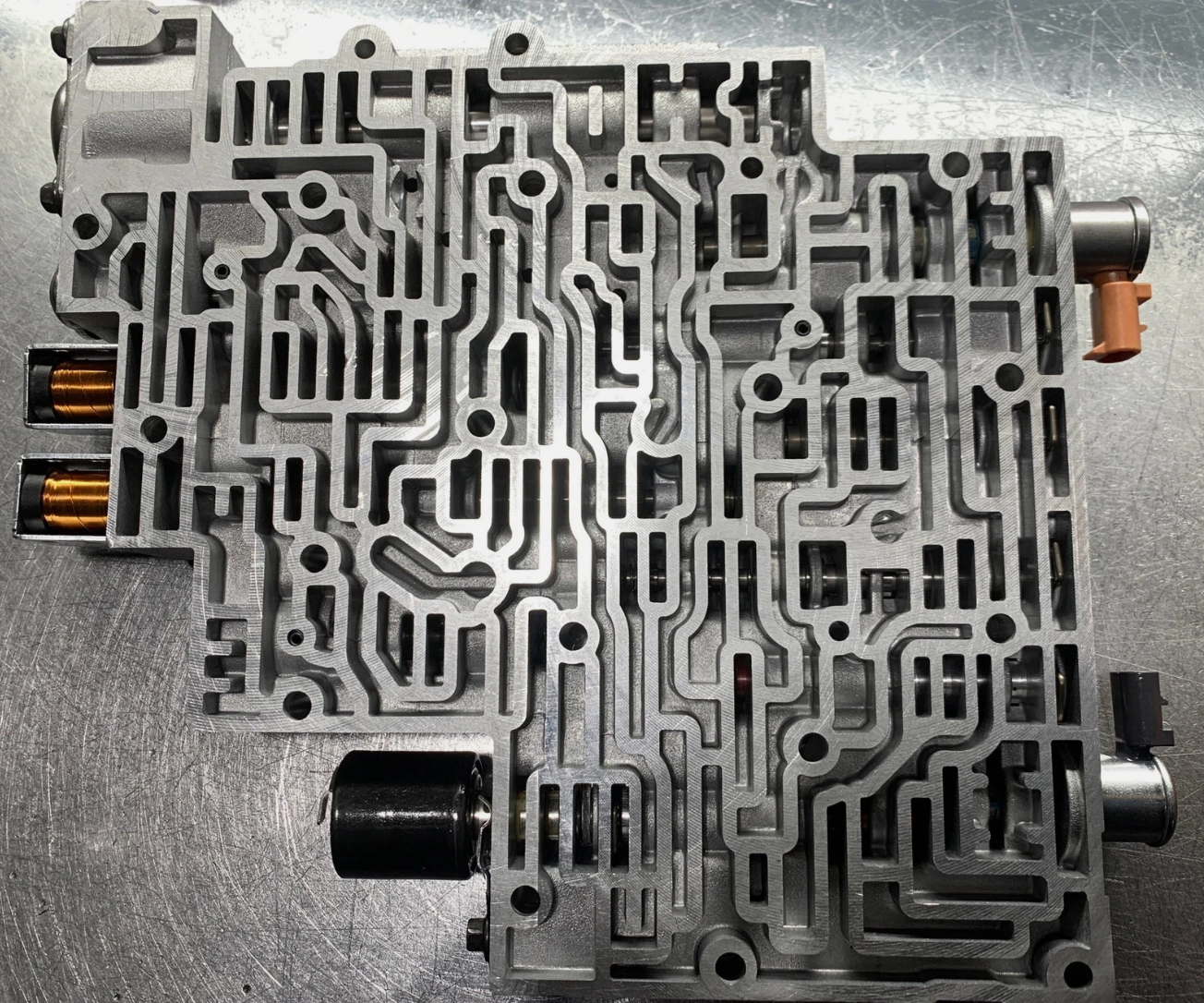
The valve body is essentially the hydraulic control center of an automatic transmission.
Inside an automatic transmission, fluid doesn't simply provide lubrication. Transmission fluid is also used hydraulically to apply clutches and control different transmission functions.
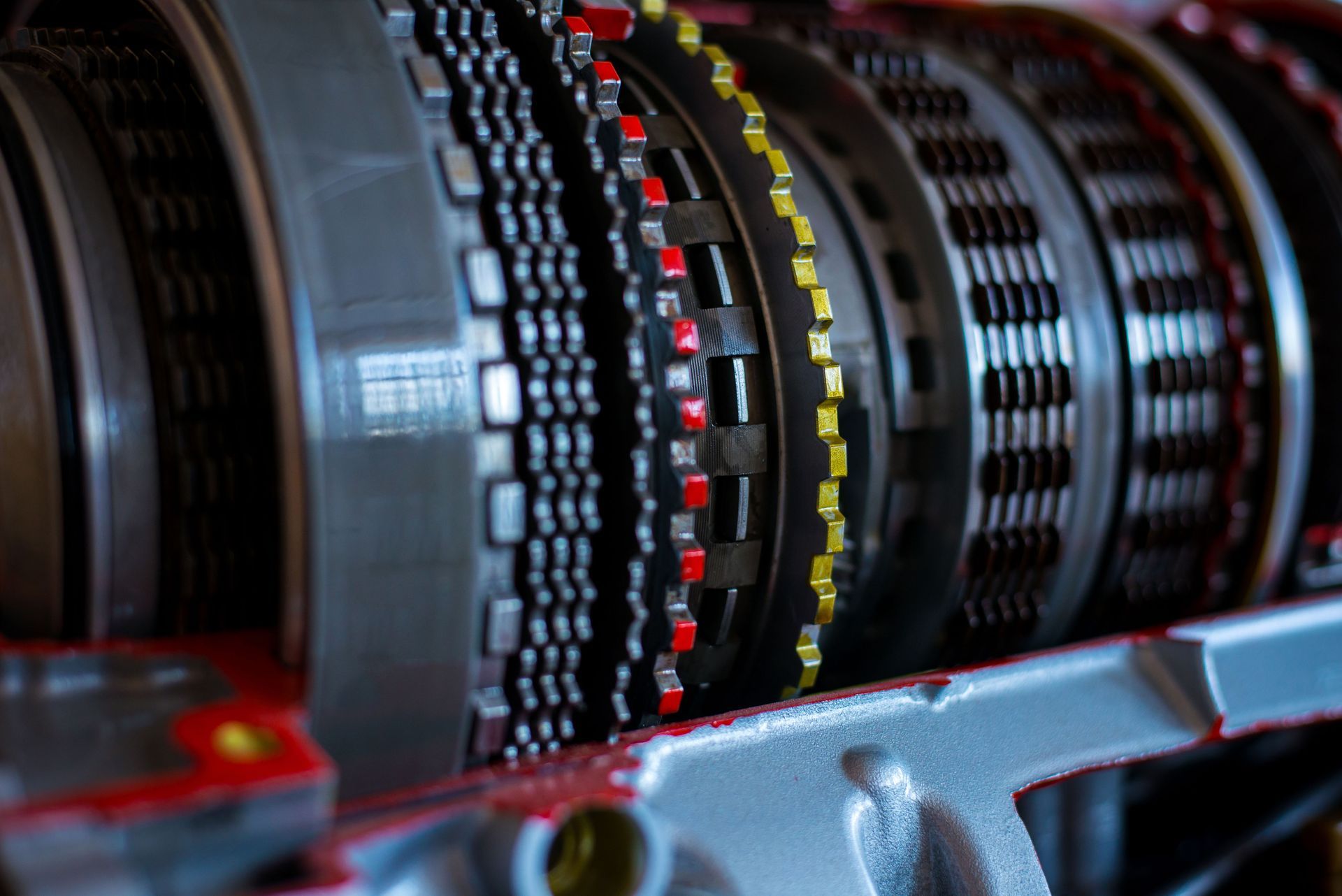
The valve body contains a network of precisely machined passages, valves, springs, check balls, and, on many modern transmissions, electronically controlled solenoids.
Transmission fluid is directed through these passages to the appropriate components at the appropriate time.
You can think of the valve body as a traffic controller for transmission fluid. It determines where hydraulic pressure needs to go, when it needs to go there, and how that pressure is controlled.
What Does a Transmission Valve Body Do?
When you accelerate, slow down, shift into Drive or Reverse, or the transmission changes gears, several things have to happen in a very specific sequence.
The vehicle's computer determines what the transmission should be doing based on information such as vehicle speed, engine load, throttle position, temperature, and other operating conditions.
The transmission's electronic controls and solenoids then work with the valve body to direct hydraulic pressure where it is needed.
This hydraulic pressure applies the appropriate internal clutch packs and other components necessary to create each gear.
When everything is operating correctly, this happens so quickly that most drivers barely notice it.
When something inside the valve body isn't working correctly, however, you may definitely notice.
What Are the Symptoms of a Bad Transmission Valve Body?
Valve body problems can cause many different symptoms depending on the transmission and the specific valve or hydraulic circuit affected.
Common symptoms can include:
- Hard or harsh shifting
- Delayed shifts
- Delayed engagement into Drive or Reverse
- Transmission slipping
- RPM flares between shifts
- Erratic or inconsistent shifting
- Shuddering
- Incorrect shift timing
- Missing gears
- Transmission failsafe or limp mode
- Check Engine or transmission warning lights
- Transmission-related diagnostic trouble codes
One important thing to understand is that these symptoms do not automatically mean the valve body is bad.
Internal transmission damage, electrical problems, failed solenoids, incorrect fluid levels, programming issues, worn clutch packs, torque converter problems, and other failures can produce similar symptoms.
That's why proper diagnosis matters.
How Does a Valve Body Wear Out?
The clearances inside a transmission valve body are extremely precise.
Over thousands of miles, valves continuously move back and forth inside their bores. Eventually, wear can develop between the valve and the valve body bore.
Even a relatively small amount of wear can allow hydraulic pressure to leak past a valve instead of being directed where it belongs.
That loss of pressure can affect clutch application, shift timing, torque converter operation, line pressure, lubrication, and other transmission functions.
Contamination can create additional problems. Material from worn clutches, bushings, bearings, or a failing torque converter can circulate through the transmission fluid and enter the valve body.
This is one reason simply replacing a failed internal component without addressing the rest of the transmission system isn't always enough.
Why We Update Valve Bodies During Transmission Rebuilds
When we rebuild a transmission at Superior Transmissions & Auto, our goal isn't simply to replace the parts that failed and put everything back exactly the way it left the factory.
Many transmissions develop well-documented wear patterns and hydraulic problems as they accumulate mileage.
Over time, transmission specialists and aftermarket manufacturers develop updated valves, springs, sleeves, pressure-regulation components, separator plates, and other corrections designed to address these known problem areas.
When applicable, we perform these updates as part of the rebuilding process.
The exact updates depend entirely on the transmission we're working on and what we find during inspection.
There is no single valve body modification that belongs in every transmission.
What Does Updating a Transmission Valve Body Involve?
Some valve body updates are relatively straightforward. Others require extremely precise modifications.
Depending on the transmission, an update may involve replacing an original valve with an updated design, installing a sleeve, changing a spring, modifying a hydraulic circuit, replacing worn components, updating a separator plate, or installing components designed to restore proper hydraulic control.
In certain applications, a worn valve bore may need to be reamed to a precise specification so an updated valve or sleeve can be installed.
This is precision transmission work.
Removing too much material, installing a component incorrectly, putting a valve in backward, using the wrong spring, or assembling components in the wrong order can completely change how the transmission operates.
That's why valve body work should be performed according to the specific requirements of that transmission and update.
Sometimes the Valve Body Needs Adjustment After Installation
This is another part of valve body work that customers don't always see.
Installing or updating the valve body doesn't necessarily mean the job is finished.
Some transmission and valve body updates require additional adjustment once the transmission is assembled, installed, filled with fluid, brought to operating temperature, and actually driven.
We may need to evaluate how the transmission behaves under real operating conditions and make adjustments based on what we're seeing.
That can include evaluating shift timing, shift feel, line pressure, clutch application, torque converter operation, adaptation values, and live scan-tool data.
In some applications, an updated hydraulic component may change the way pressure is controlled compared with the original worn component. The transmission may require additional fine-tuning to get everything operating the way it should.
That is part of the repair process — not necessarily an indication that something was installed incorrectly.
Why Test Driving After Valve Body Work Is So Important
A transmission can behave differently on a lift than it does while moving a 4,000-, 5,000-, or 6,000-pound vehicle down the road.
That's why road testing is an important part of our quality-control process.
After major transmission work, we don't just install the transmission, see that the vehicle moves forward and backward, and consider the job finished.
The transmission needs to be evaluated under actual driving conditions.
Depending on the vehicle, this can include checking operation cold and at full operating temperature, monitoring shift behavior, checking live transmission data, verifying torque converter operation, and allowing the transmission to complete required relearn or adaptation procedures.
If something needs further adjustment, we want to identify it during this process.
Valve Body Updates and Transmission Relearning
Modern transmissions are increasingly computer controlled.
The transmission control module may continuously learn and adjust how it commands shifts based on clutch fill times, pressure requirements, wear, driving conditions, and other information.
After a valve body repair, transmission rebuild, programming procedure, or major internal repair, some vehicles require an adaptation reset or relearn procedure.
Even after the initial relearn is completed, the transmission may continue adapting as the vehicle is driven.
This is one reason a recently repaired transmission may not feel exactly the same during the first few miles as it does after the computer has had time to properly adapt.
Why Valve Body Problems Require Proper Diagnosis
A valve body can cause major transmission symptoms, but replacing a valve body simply because a vehicle is shifting poorly can become a very expensive guessing game.
Before recommending valve body work, we want to understand what the transmission is actually doing and why.
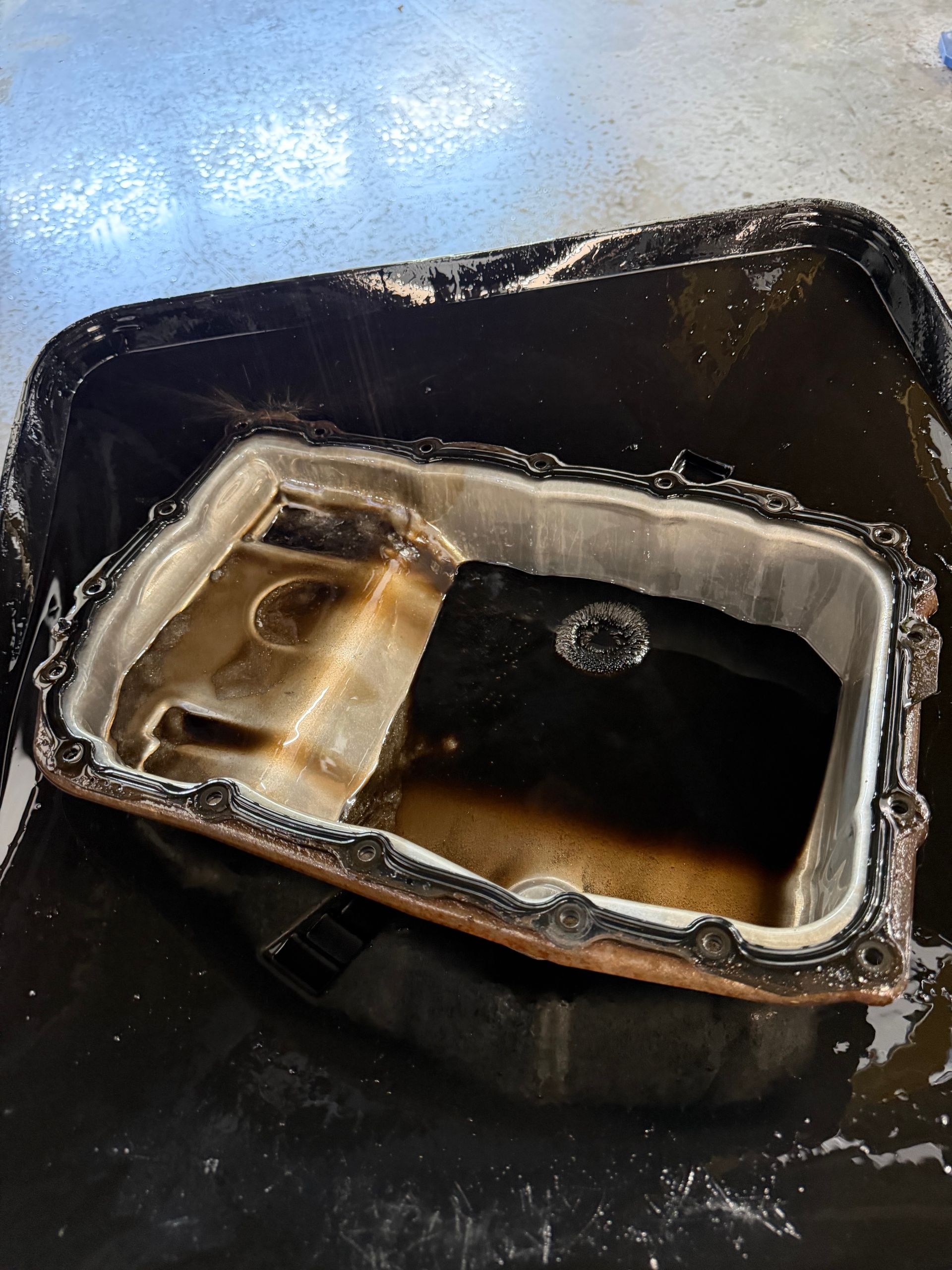
Depending on the vehicle and symptoms, diagnosis may include a road test, computer scan, live-data analysis, fluid inspection, pan inspection, electrical testing, hydraulic testing, and additional transmission-specific testing.
If there is significant metal or clutch material circulating through the transmission, for example, installing a valve body alone may not address the actual problem.
The valve body is only one part of a much larger system.
Transmission Valve Body Repair in Montgomery, NY
At Superior Transmissions & Auto in Montgomery, NY, transmissions are our specialty.
We diagnose, repair, update, and rebuild transmissions in-house, which means we're able to look beyond the trouble code and determine what's actually happening inside the transmission.
When we're rebuilding a transmission with known valve body weaknesses, we can perform applicable updates designed to address those problem areas rather than simply putting worn or outdated components back into service.
And when those updates require additional adjustments, programming, relearning, or road testing after installation, we take the time to do that as part of the process.
It's one of the reasons transmission repair can't always be rushed.
A vehicle may be assembled, running, and driving — but we still need the opportunity to verify that the transmission is operating correctly under the conditions it will experience once it's back in your hands.
If you're experiencing hard shifting, slipping, delayed engagement, shift flares, shuddering, or other transmission problems in Montgomery, Middletown, Newburgh, New Windsor, Walden, Goshen, or anywhere in Orange County and the Hudson Valley, contact Superior Transmissions & Auto for proper transmission diagnosis.
Superior Transmissions & Auto
663 State Route 17K
Montgomery, NY 12549
(845) 522-8104
When Bad Shifts Happen, We Fix It!