August 4, 2026
A Closer Look at Torque Converters
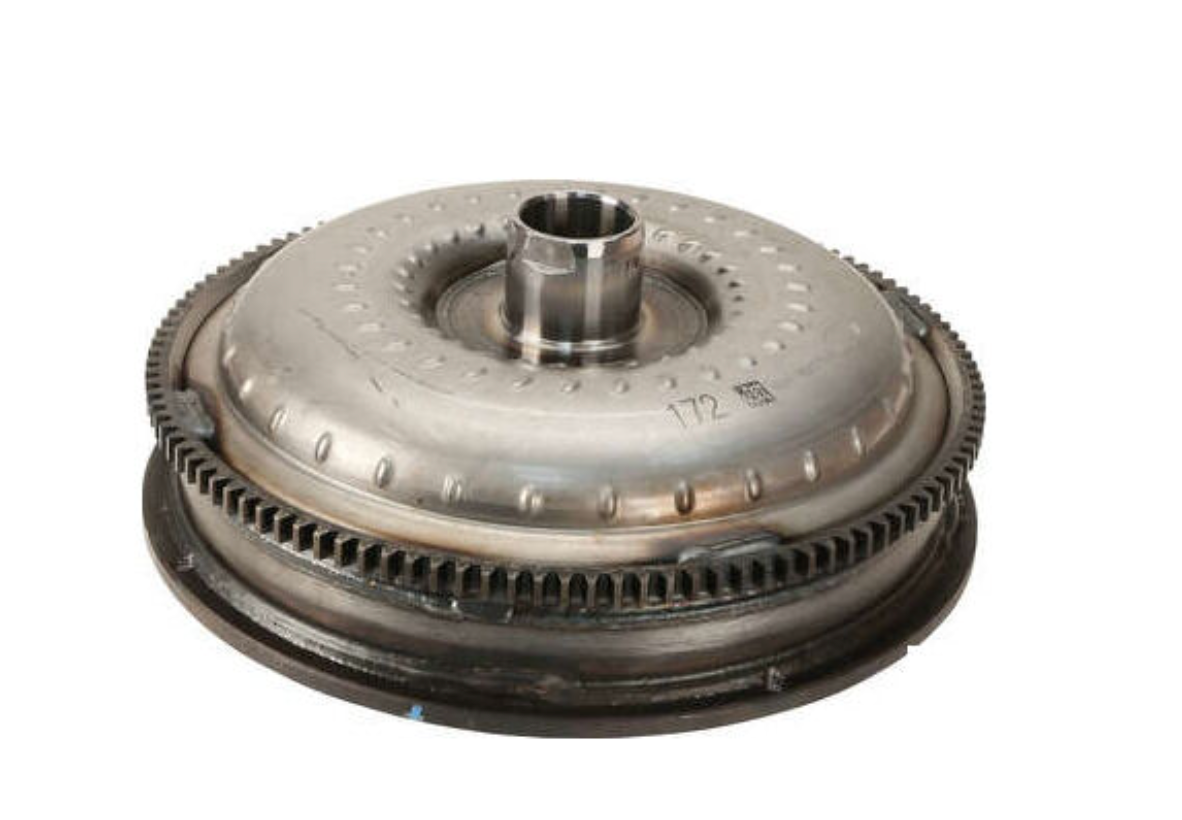
If you've been told your vehicle has a bad torque converter, you might be wondering what that actually means. Many drivers have never heard of a torque converter until their transmission starts acting up. The truth is, it's one of the most important components in your automatic transmission.
At Superior Transmissions & Auto in Montgomery, NY, we diagnose torque converter failures every week for customers throughout the Hudson Valley. Understanding what a torque converter does can help you recognize early warning signs and prevent more expensive transmission damage.
What Does a Torque Converter Do?
Think of a torque converter as the automatic transmission's version of a clutch.
In a manual transmission, the driver presses the clutch pedal to disconnect the engine from the transmission when shifting gears or coming to a stop. Since automatic transmissions don't have a clutch pedal, they use a torque converter to perform a similar job.
The torque converter allows your engine to keep running while your vehicle is stopped at a traffic light. It also transfers the engine's power smoothly to the transmission so your vehicle can accelerate without stalling.
Without a torque converter, your automatic transmission simply wouldn't work.
How Does a Torque Converter Work?
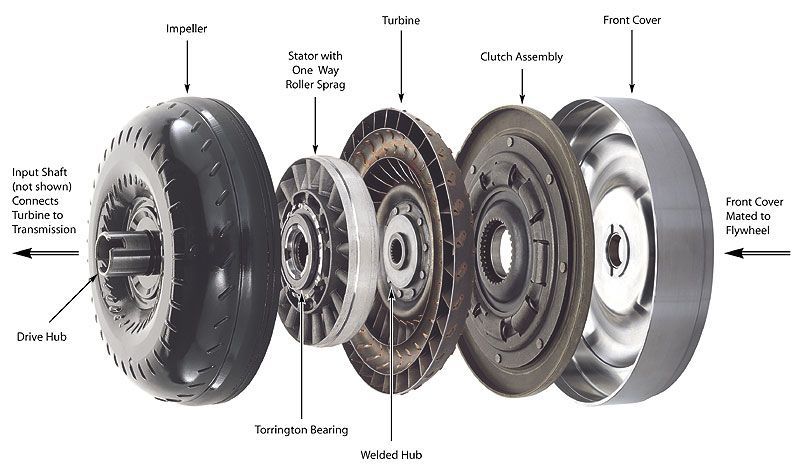
The torque converter is mounted between the engine and the transmission. It's a sealed, round metal housing filled with transmission fluid.
Inside are several key components that work together:
- The Pump (Impeller) – Connected directly to the engine, it spins whenever the engine is running and moves transmission fluid.
- The Turbine – Connected to the transmission input shaft, it is turned by the moving fluid, transferring power into the transmission.
- The Stator – Redirects the fluid to improve efficiency and multiply torque, especially during acceleration.
- The Torque Converter Clutch (TCC) – Locks the engine and transmission together at cruising speeds to eliminate slippage, improve fuel economy, and reduce heat.
Instead of using direct mechanical contact like a manual clutch, a torque converter transfers power using hydraulic fluid. This makes acceleration smooth and allows your vehicle to stop without the engine stalling.
Why Is the Torque Converter So Important?
The torque converter does much more than simply transfer power.
It also:
- Multiplies engine torque during acceleration.
- Smooths out power delivery.
- Reduces vibration.
- Allows the vehicle to idle while stopped.
- Improves fuel economy when the lock-up clutch engages.
- Helps protect the transmission from sudden shock loads.
Because it performs so many critical functions, a failing torque converter can cause a wide variety of drivability problems.
Common Signs of a Bad Torque Converter
A failing torque converter often gives warning signs before complete transmission failure occurs.
Some of the most common symptoms include:
Shuddering While Driving
One of the most recognizable symptoms is a vibration that feels like driving over rumble strips, especially between 35 and 60 mph. This usually occurs when the torque converter clutch is trying to lock up but cannot hold properly.
Delayed Acceleration
You may notice the engine revving higher than normal before the vehicle begins moving.
Slipping
The engine speed increases, but the vehicle doesn't accelerate like it should.
Overheating
A damaged torque converter creates excess heat inside the transmission. Heat is one of the biggest enemies of automatic transmissions because it quickly breaks down transmission fluid and accelerates internal wear.
Check Engine Light
Many vehicles will store transmission-related diagnostic trouble codes when the torque converter isn't operating correctly.
Can You Keep Driving With a Bad Torque Converter?
Many people continue driving after noticing symptoms, but that's rarely a good idea.
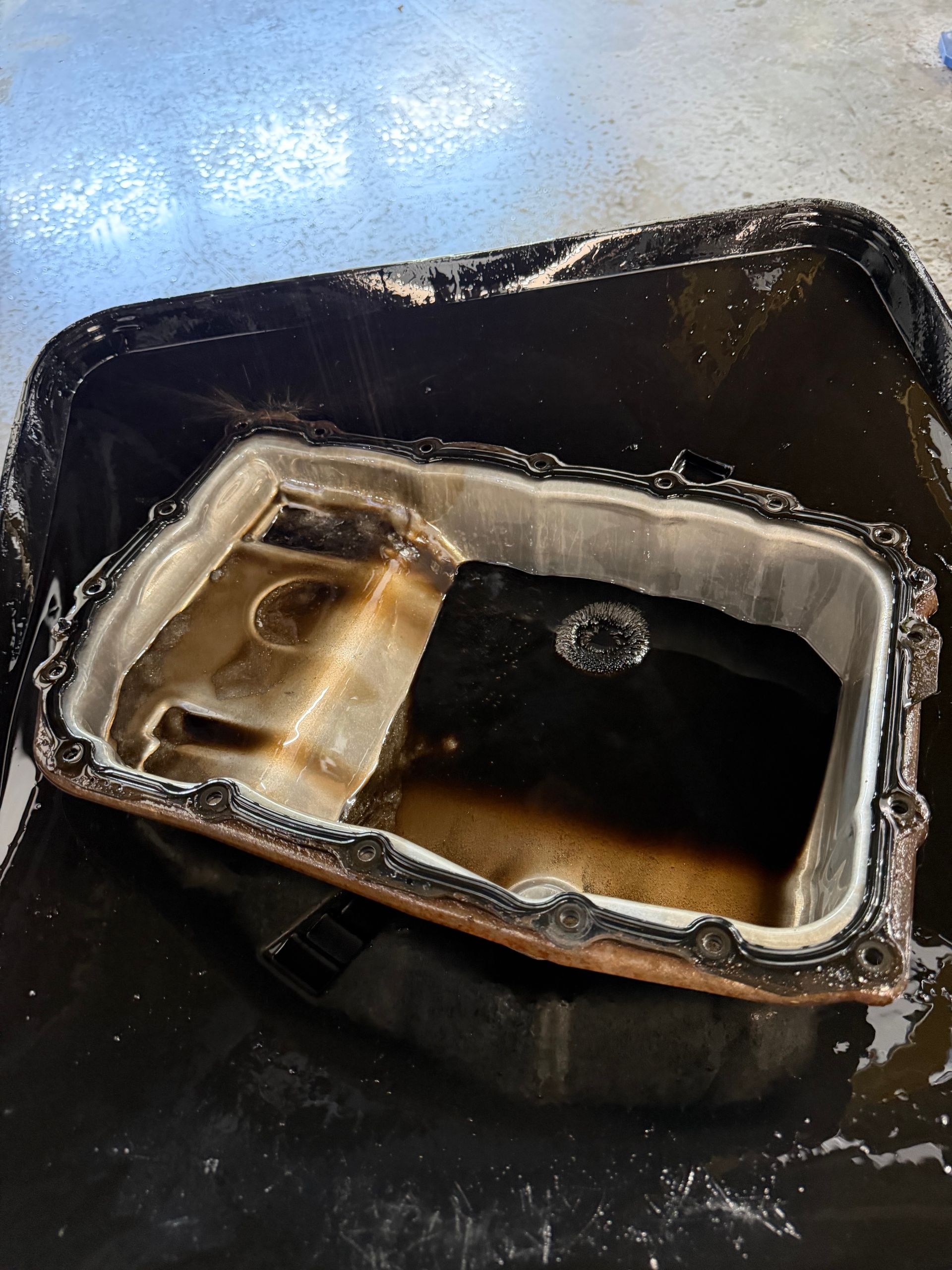
As the torque converter wears internally, it can release metal particles into the transmission fluid. That contaminated fluid circulates through the entire transmission, damaging:
- Valve bodies
- Solenoids
- Pumps
- Bearings
- Bushings
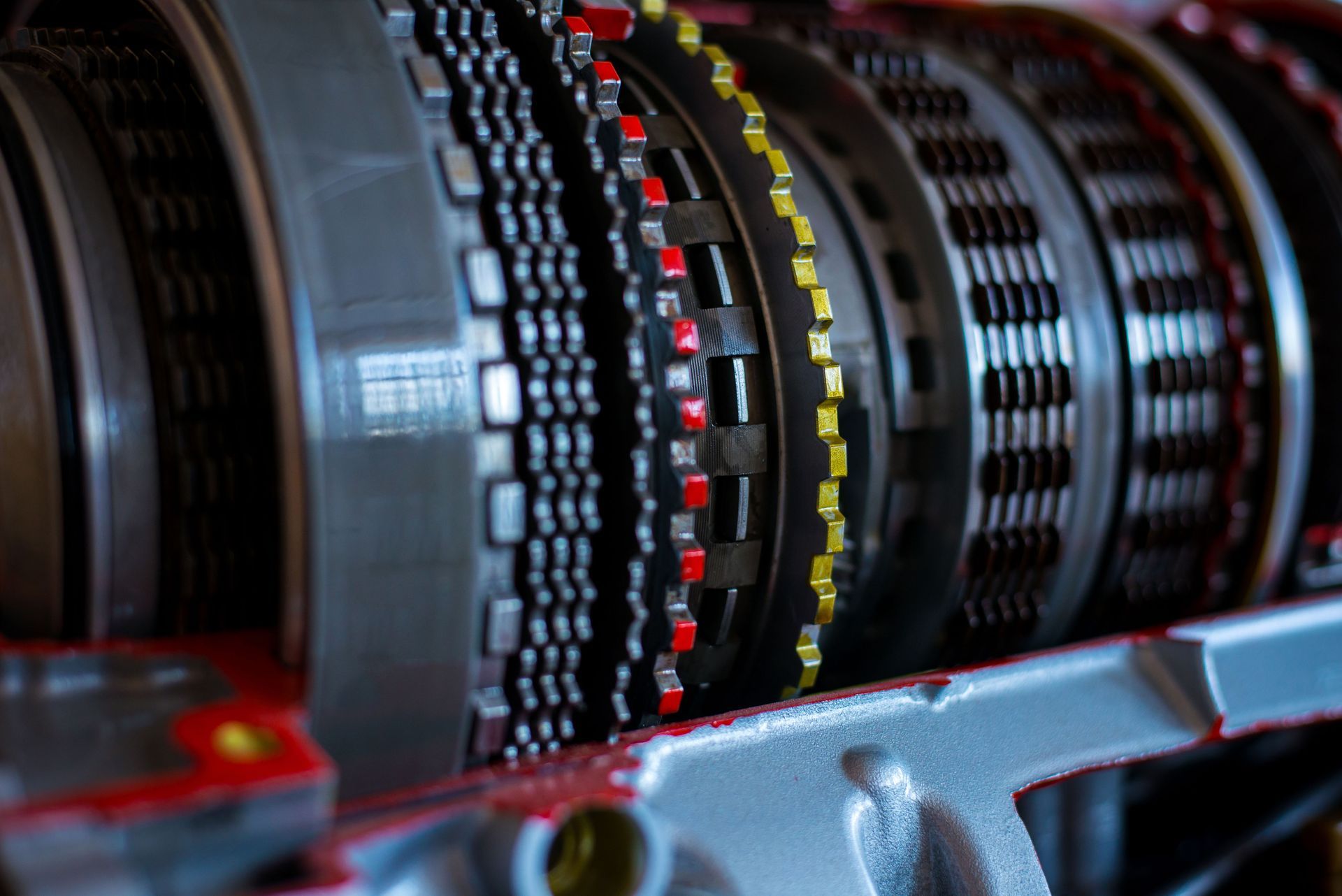
- Clutch packs
- Internal seals
What may have started as a torque converter problem can quickly become a complete transmission rebuild if the vehicle continues to be driven.
Early diagnosis often prevents additional damage.
Can You Just Replace the Torque Converter?
Sometimes, yes—but not always.
If the torque converter has failed without contaminating the transmission, replacing only the converter may be possible.
However, in many cases, especially on higher-mileage vehicles, the metal debris from the failing converter has already circulated throughout the transmission. Simply installing a new torque converter without cleaning or repairing the rest of the transmission can lead to another failure.
This is why a proper diagnosis is so important.
How We Diagnose Torque Converter Problems
At Superior Transmissions & Auto, we don't guess.
Every diagnosis begins with a thorough inspection that may include:
- Computer scanning for diagnostic trouble codes
- Live transmission data analysis
- Road testing (when possible)
- Transmission fluid inspection
- Pan removal to inspect for metal debris or clutch material
- Evaluating transmission operation under both cold and normal operating temperatures
Our goal is to identify the root cause of the problem so we can recommend the correct repair—not simply replace parts.
Protecting Your Transmission
Routine maintenance plays a major role in extending the life of your torque converter and transmission.
We recommend:
- Following the manufacturer's maintenance schedule.
- Servicing your transmission before the fluid becomes severely contaminated.
- Addressing transmission warning signs as soon as they appear.
- Avoiding excessive overheating caused by heavy towing without proper cooling.
Ignoring small transmission problems almost always leads to larger and more expensive repairs.
Hudson Valley Torque Converter & Transmission Specialists
If your vehicle is shuddering, slipping, shifting harshly, or displaying transmission warning lights, don't ignore the symptoms. Early diagnosis can make all the difference.
At Superior Transmissions & Auto in Montgomery, NY, we specialize in diagnosing automatic transmission and torque converter problems for drivers throughout the Hudson Valley, including Middletown, Newburgh, New Windsor, Goshen, Monroe, Wallkill, Warwick, Cornwall, and the surrounding communities.
Whether your vehicle needs a torque converter replacement, transmission repair, or a complete rebuild, our experienced technicians will explain exactly what's happening and recommend the repair that's best for your vehicle.
Schedule Your Free Transmission Diagnosis
If you suspect a torque converter problem, contact Superior Transmissions & Auto today. We'll perform a thorough diagnosis, explain your options in plain language, and help you get back on the road with confidence.