August 4, 2026
What It Means and What You Should Do

If your vehicle feels like it's slipping between gears, revving higher than normal before shifting, or struggling to accelerate, you're not alone. Transmission slipping is one of the most common reasons drivers visit our shop, and it's often one of the first signs that something inside the transmission needs attention.
At Superior Transmissions & Auto in Montgomery, NY, we help drivers throughout Orange County and the Hudson Valley diagnose and repair transmission problems every day. Whether you drive a Chevrolet, Ford, Dodge, Toyota, Honda, Jeep, Nissan, GMC, or another make, a slipping transmission should never be ignored.
The good news? Catching the problem early can often prevent additional damage and help you make an informed decision about repairs.
What Does It Mean When a Transmission Is Slipping?
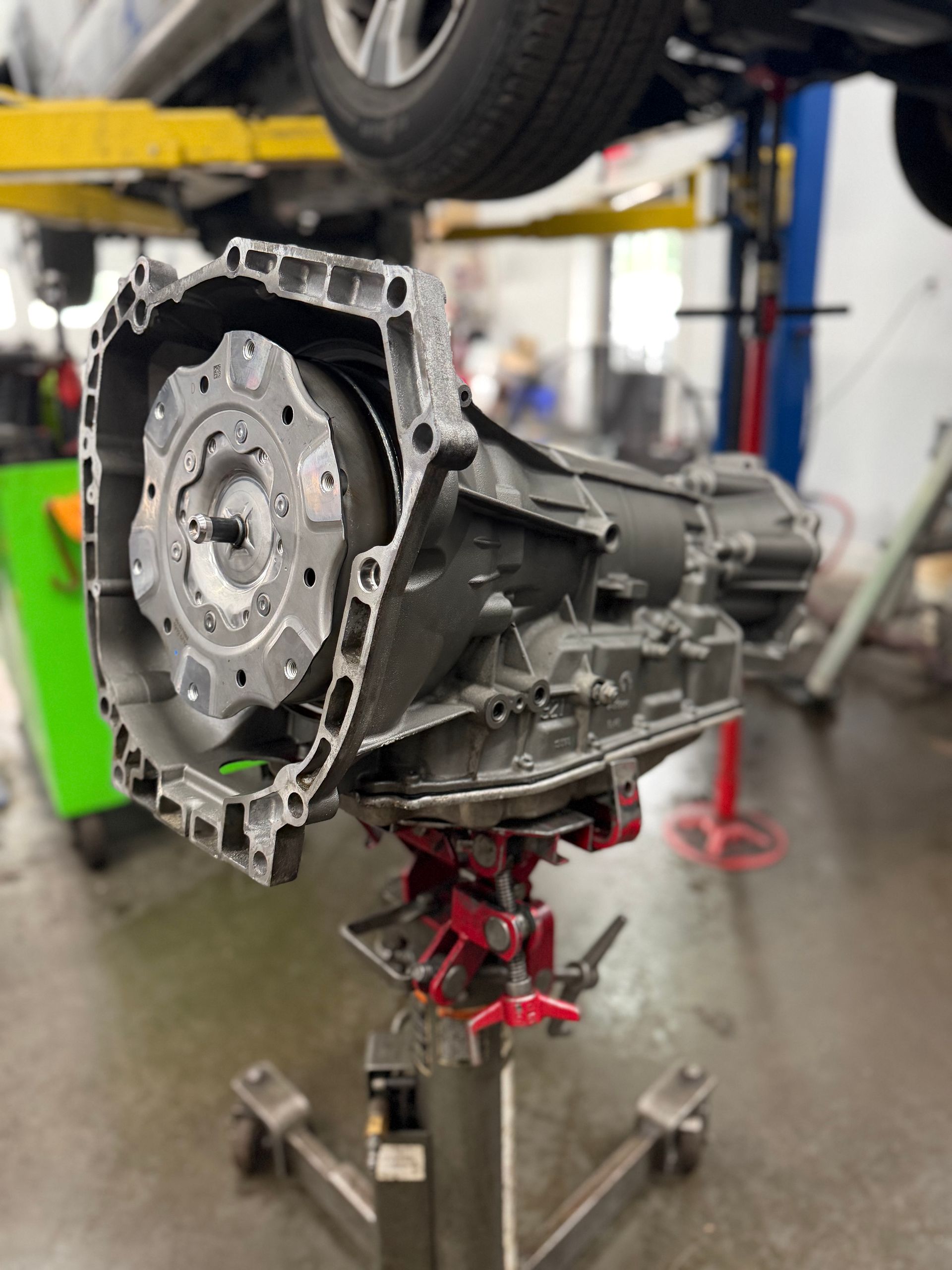
A transmission is responsible for transferring power from your engine to your wheels while selecting the proper gear for your speed and driving conditions.
When a transmission begins to slip, it can no longer hold the selected gear properly. Instead of smoothly transferring power, the engine speed increases while the vehicle doesn't accelerate the way it should.
Imagine riding a bicycle where your legs are pedaling faster, but the chain isn't fully grabbing the gears. You're putting in more effort, but you're not getting the power where it needs to go. That's very similar to what happens inside a slipping automatic transmission.
Common Signs of a Slipping Transmission
Every vehicle behaves a little differently, but some of the most common symptoms include:
- Engine RPMs suddenly increase without gaining speed.
- Delayed acceleration when pulling away from a stop.
- Delayed engagement when shifting into Drive or Reverse.
- Harsh or erratic shifting.
- Vehicle unexpectedly changes gears.
- Burning smell after driving.
- Transmission warning light or Check Engine Light.
- Difficulty climbing hills or towing.
- The vehicle feels like it "falls out" of gear while driving.
Sometimes these symptoms come and go, especially when the transmission is cold or after it has reached operating temperature.
Even if the problem seems minor, it's worth having it inspected before it becomes more serious.
What Causes a Transmission to Slip?
Transmission slipping isn't a single failure—it's a symptom that can have several different causes.
Worn Clutches
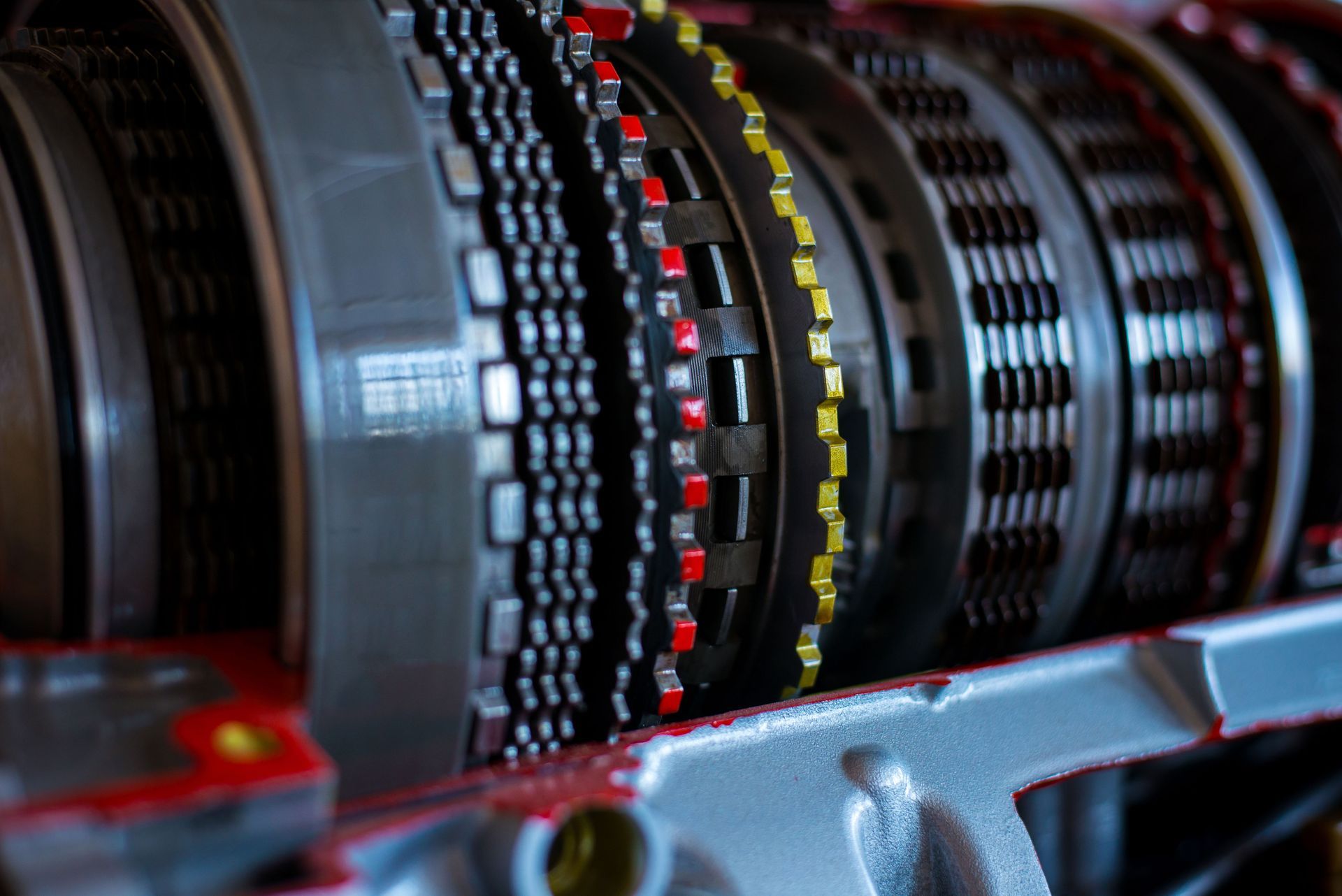
Inside most automatic transmissions are clutch packs that engage different gear ratios. Over time, these clutches wear down, making it difficult for the transmission to hold the selected gear.
This is one of the most common reasons a transmission requires rebuilding.
Low or Contaminated Transmission Fluid
Transmission fluid creates hydraulic pressure that allows the transmission to shift properly.
If the fluid level is low because of a leak, or the fluid has become contaminated from internal wear, the transmission may begin slipping.
It's important to understand that adding fluid doesn't fix the underlying problem if internal damage has already occurred.
Torque Converter Problems
A failing torque converter can create symptoms that feel very similar to transmission slipping.
Drivers often notice:
- Shuddering
- Poor acceleration
- RPM fluctuations
- Lock-up clutch problems
- Overheating
If left untreated, a failing torque converter can contaminate the entire transmission with metal debris.
Valve Body Problems
The valve body acts as the hydraulic control center of the transmission.
If valves become worn or stick, hydraulic pressure may be lost, resulting in slipping, delayed shifts, or harsh gear changes.
Electronic Problems
Modern transmissions rely on computers, sensors, and solenoids.
Sometimes what feels like a slipping transmission is actually caused by:
- Faulty shift solenoids
- Speed sensor failures
- Wiring problems
- TCM (Transmission Control Module) issues
- Software requiring updates or relearn procedures
This is why a proper diagnosis is so important before replacing any parts.
Why You Shouldn't Ignore a Slipping Transmission
Many drivers continue driving after noticing their transmission slipping because the vehicle is still moving.
Unfortunately, every mile driven with an internal transmission problem can create additional damage.
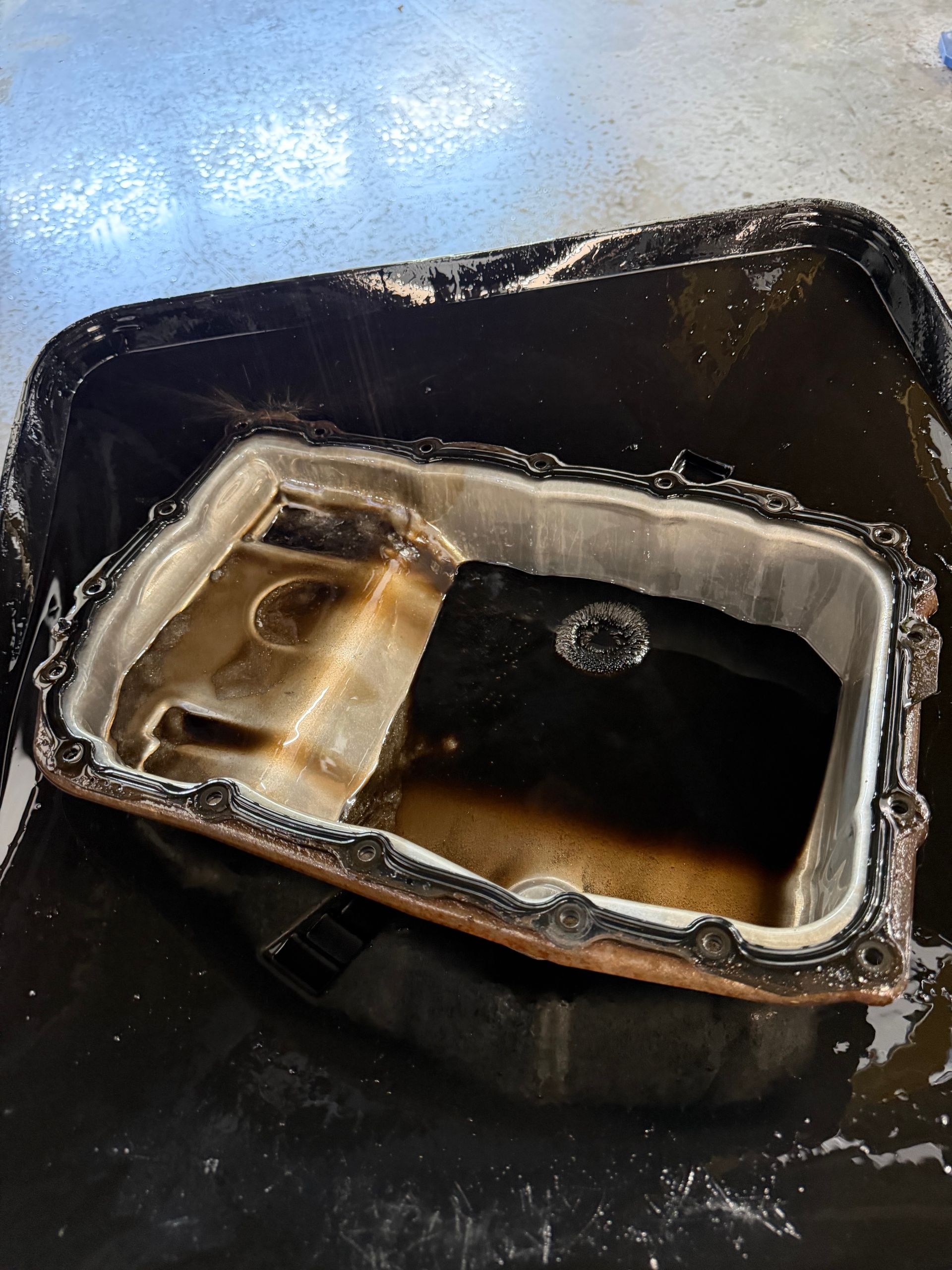
As clutch material wears away, it contaminates the transmission fluid. Metal particles circulate throughout the transmission, damaging components such as:
- Pumps
- Bearings
- Bushings
- Valve bodies
- Solenoids
- Seals
- Torque converters
What may have started as a repairable problem can eventually require a complete transmission rebuild if it's ignored for too long.
The earlier the issue is diagnosed, the more options you may have.
How We Diagnose Transmission Slipping
At Superior Transmissions & Auto, we don't believe in guessing.
Every transmission diagnosis begins with a thorough inspection designed to identify the actual cause of the slipping.
Depending on your vehicle and symptoms, we may perform:
- A road test (when possible)
- Computer scan for engine and transmission diagnostic trouble codes
- Live data analysis
- Lift inspection
- Transmission fluid inspection
- Transmission pan removal to inspect for metal debris and clutch material
- Additional hydraulic or pressure testing when necessary
Our goal is to determine exactly what's wrong before recommending repairs.
That's why we offer free transmission diagnosis. We believe every customer deserves a clear understanding of their vehicle's condition before making an important repair decision.
Can a Slipping Transmission Be Fixed?
Yes—but the correct repair depends entirely on the cause.
Some vehicles may need:
- Transmission service
- Valve body repair
- Torque converter replacement
- Solenoid replacement
- Computer programming or relearn procedures
If internal clutch damage or widespread contamination has occurred, a complete transmission rebuild may be the most reliable long-term solution.
Every vehicle is different, which is why an accurate diagnosis comes first.
Why Choose Superior Transmissions & Auto?
Unlike general repair shops that occasionally work on transmissions, transmissions are our specialty.
We rebuild automatic transmissions in-house using quality components and proven upgrades designed to improve reliability whenever possible.
Every rebuilt transmission undergoes extensive quality control, including:
- Programming when required
- Multiple road tests
- Hot and cold shift verification
- Leak inspection
- Fluid level verification
- Final lift inspection before delivery
We take the time to make sure your vehicle is ready before you pick it up.
Transmission Repair in Orange County, NY
Our shop is located in Montgomery, NY, and proudly serves customers throughout:
- Montgomery
- Middletown
- Newburgh
- New Windsor
- Goshen
- Monroe
- Cornwall
- Warwick
- Chester
- Wallkill
- Walden
- Pine Bush
- Beacon
- Throughout Orange County and the Hudson Valley
Whether you're searching online for "Transmission slipping in Orange County NY," "Transmission repair near me," "Transmission rebuild Montgomery NY," or "Transmission specialist Hudson Valley," our experienced team is here to help.
Schedule Your Free Transmission Diagnosis
A slipping transmission rarely fixes itself, and waiting too long often leads to more extensive internal damage.
If your vehicle is slipping, shifting harshly, hesitating, or showing transmission warning lights, contact Superior Transmissions & Auto today.
We'll perform a thorough diagnosis, explain exactly what's causing the problem, and help you choose the repair that's right for your vehicle.
Don't ignore the warning signs—addressing transmission problems early can help protect your vehicle and your investment.