July 24, 2026
The transmission system in a vehicle plays a critical role in ensuring smooth operation. Understanding how to properly service and maintain your transmission can extend the life of your vehicle and improve its performance. This article will guide you through the essentials of transmission service and what you need to know based on your specific vehicle type. As the heart of your vehicle's drivetrain, keeping the transmission in excellent condition is essential for peak performance.
Why is Transmission Service Important?
Understanding the Role of the Transmission
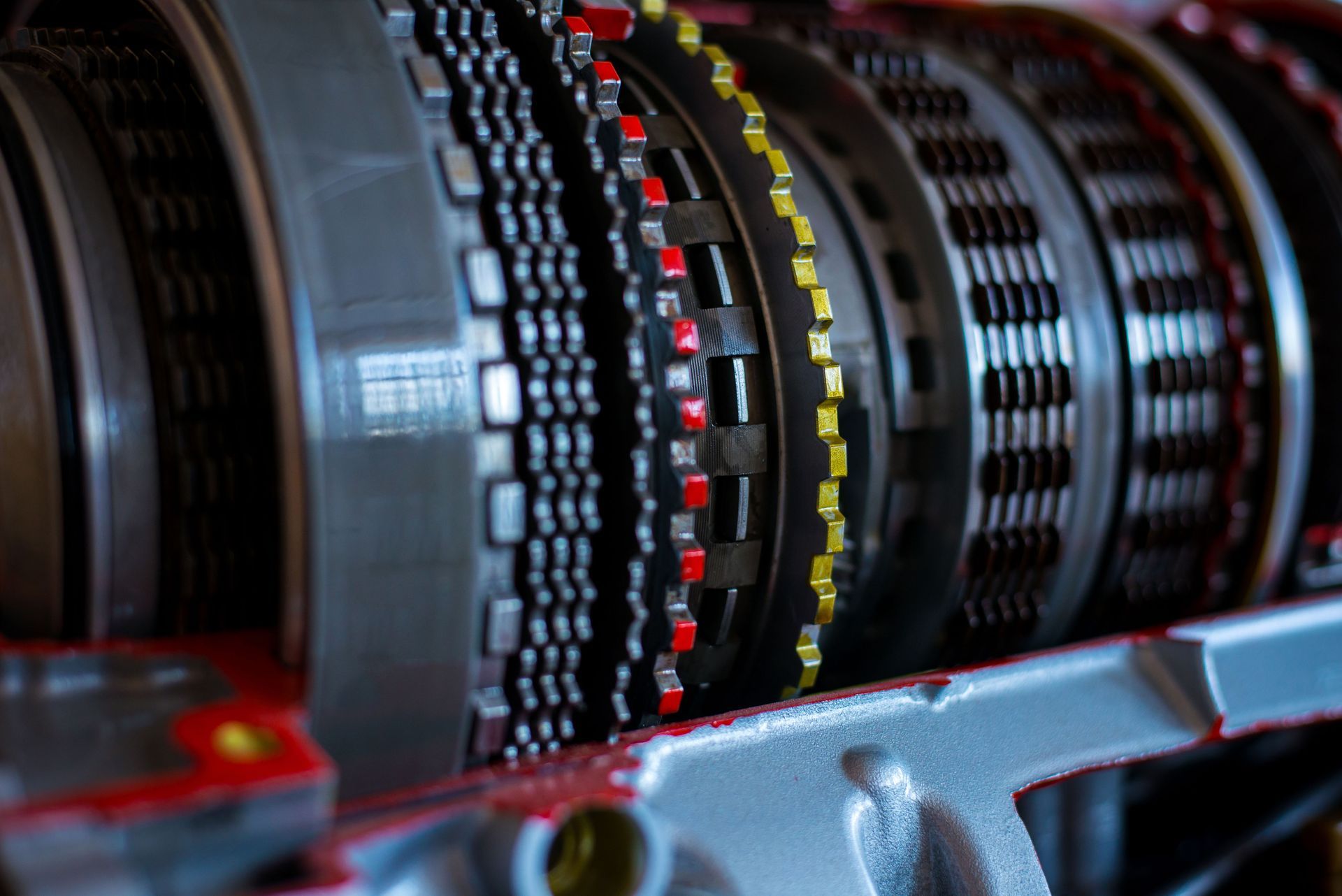
The transmission is integral to your vehicle's ability to function efficiently. It manages the amount of power transferred from the engine to the wheels. Proper operation relies on a working harmony of numerous components. Disruptions in this harmony due to neglect can lead to significant malfunctions.
Another crucial aspect of transmissions is their role in determining your driving experience. They affect the smoothness of your ride, the fuel efficiency of your vehicle, and the overall power delivery. Without a properly functioning transmission, even the most powerful engines would fail to operate optimally.
This is why regular attention to your transmission is vital for any vehicle owner.
The transmission also plays a crucial part in managing the power necessary for acceleration. It switches gears, allowing the car to maximize both fuel economy and performance. A well-maintained transmission ensures that the engine doesn't overwork and leads to better vehicle health. Ignoring transmission maintenance can lead to costly repairs down the line.
Effects of Neglected Transmission Maintenance
Neglecting transmission service can lead to catastrophic failures. When transmission fluid degrades, it can no longer provide the necessary lubrication or temperature control. This leads to increased friction and heat, causing extensive damage to the essential components. In severe cases, it may even result in the need for a complete transmission replacement.
Beyond mechanical failures, neglected transmission service considerably affects performance. The vehicle may experience rough shifting, slipping gears, or delays in acceleration. These symptoms not only reduce driving comfort but also can pose a serious safety hazard. Ignoring these warning signs usually results in more extensive and costly repairs over time.
Additionally, the failure to service the transmission could shorten the lifespan of your vehicle. Without regular maintenance, minor issues can quickly become major problems. According to 360 Research Reports, passenger vehicles generate about 58.1% of overall transmission repair activity due to extended ownership cycles. This highlights the ongoing need for diligent maintenance throughout a vehicle's lifecycle.
Benefits of Regular Transmission Service
Regular transmission service contributes significantly to the longevity of your vehicle. By maintaining optimal fluid levels and replacing filters, you ensure that the system operates efficiently. This leads to improved performance, enhanced fuel economy, and smoother driving conditions. Investing in routine maintenance is far more economical than dealing with potential failures.
Another benefit of regular service is the prevention of costly repairs. Early identification of potential issues allows for minor fixes before they escalate. This proactive approach to maintenance extends the life of the transmission system. It also maintains the vehicle's resale value, as well-maintained systems are more appealing to buyers.
Moreover, regular transmission service helps maintain safety on the road. A fully functional transmission ensures that acceleration and gear shifts occur seamlessly. By avoiding unexpected breakdowns, drivers and passengers can avoid potentially dangerous situations. Consistent maintenance offers peace of mind while enhancing the overall driving experience.
How Often Should You Service Your Transmission?
Manufacturer's Recommendations
Manufacturers typically provide a service schedule for optimal vehicle maintenance. These recommendations are based on extensive testing and take into account the typical usage of the vehicle. Following the guidelines ensures that the transmission receives attention before issues develop. Regularly consulting the manufacturer's manual helps remain on track with these preventive measures.
The manufacturer's recommendations often consider average driving conditions. For instance, those who drive mainly on highways might need less frequent servicing than city drivers. The recommendations are typically based on either time or mileage intervals. Adhering to these guidelines protects the vehicle warranty in many cases.
Ignoring these guidelines can lead to adverse outcomes. Over time, oversight in service can culminate in irreversible transmission damage. Manufacturers design these schedules to help vehicle owners get the best performance and longevity from their transmission systems. It's a straightforward way to avoid expensive repairs down the road.
Factors Affecting Service Frequency
Several factors can influence how often your transmission should be serviced. Driving habits, such as frequent towing or heavy city traffic, can increase wear. Environmental conditions like extreme heat or cold also demand more frequent attention. These factors contribute to the degradation of transmission components.
Another factor is the type of vehicle you drive. Some vehicles, particularly those with performance or heavy-duty engines, may require more frequent service. Hybrid and electric vehicles might follow different schedules due to their unique drivetrain components. Identifying these individual needs is crucial for effective maintenance.
Additionally, consider the age of the vehicle. Older models often require more frequent service as components experience increased wear. Regular checks help ensure that older vehicles maintain reliable operation. Proactively adjusting service frequency based on these factors can extend the transmission's and vehicle's lifespan.
What Are the Different Types of Transmission Services?
Fluid Change vs. Flush: What's the Difference?
Transmission service often includes a fluid change or a transmission flush. A fluid change involves draining the old transmission fluid and replacing it with fresh fluid. During a flush, a machine pumps out almost all the old fluid before replacing it with new fluid. Each method provides different levels of cleaning and fluid replacement.
Choosing between a fluid change and a flush largely depends on the vehicle's condition. A flush can remove more of the debris and contaminants than a simple fluid change. However, in some cases, a flush might dislodge contaminants that could cause blockages in older transmissions. Consulting with a trained technician can help decide the best option based on the specific state of your transmission.
Both services aim to maintain a clean and efficient transmission system. Regular replacement of transmission fluid helps avoid overheating and maintains efficient performance. This is especially crucial for older vehicles or those with higher mileage, where maintaining optimal internal conditions can prevent major failures. The choice between the two methods should ideally reflect the owner's maintenance goals and the vehicle's current condition.
Transmission Filter Replacement
Transmission filter replacement is an integral part of any comprehensive service. The filter works in tandem with transmission fluid to keep the system free from contaminants. Over time, the filter can become clogged, reducing its effectiveness. This can lead to increased wear and tear on the system.
By regularly replacing the transmission filter, you ensure that debris doesn't build up to damage internal components. A clogged filter can increase pressure in the system and affect fluid flow, resulting in reduced operational efficiency. Manufacturers generally recommend filter replacement every 30,000 to 50,000 miles, though this can vary. Routine checks align with a proactive strategy for maintaining a healthy transmission.
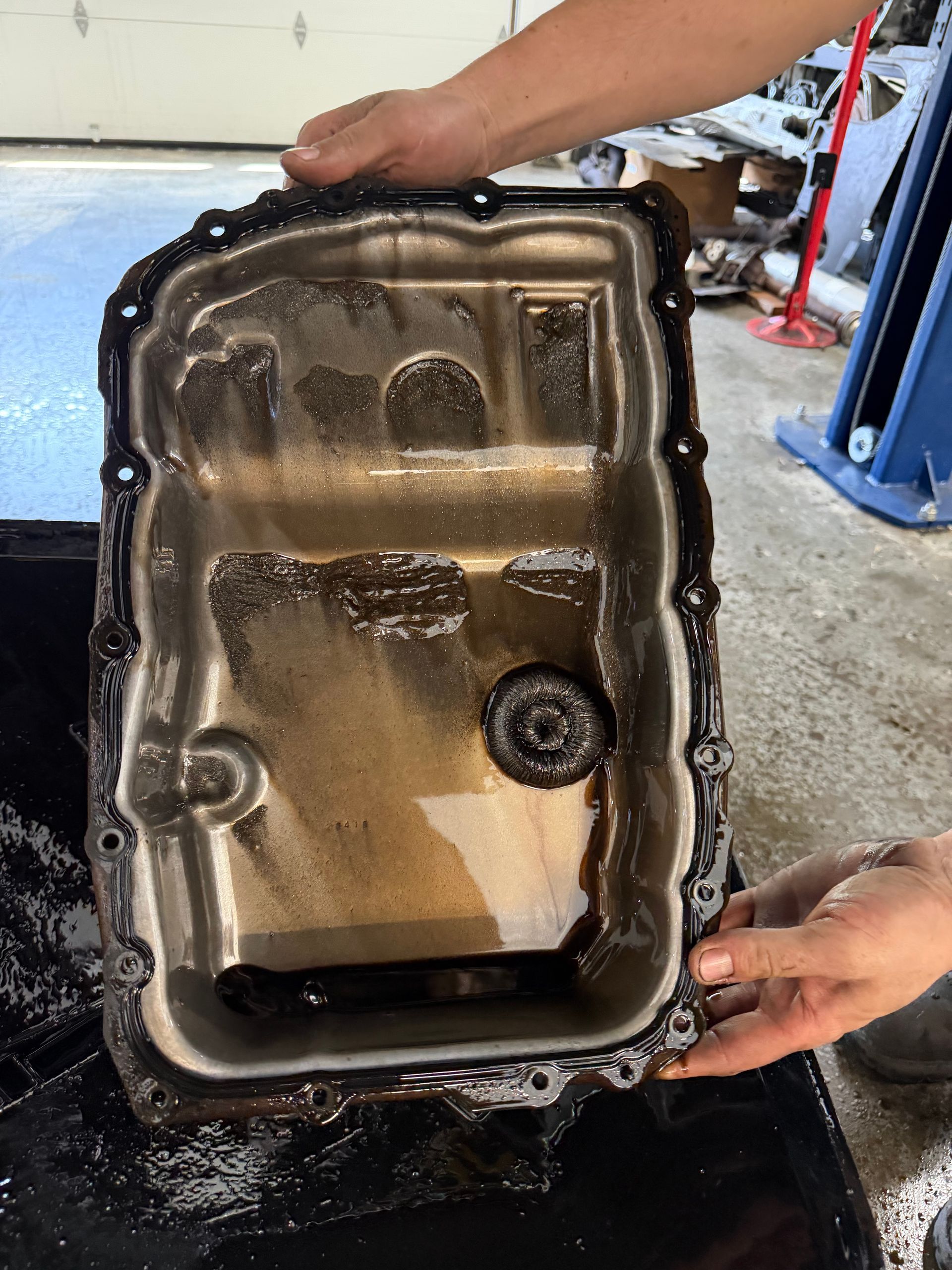
The process involves removing the transmission pan to access and replace the filter. Given the complexity and potential for fluid spillage, it's best conducted by a professional. An adequately maintained filter prolongs the life of both the transmission and the fluid, contributing to smoother performance and fewer mechanical issues over time.
Transmission service is a crucial part of vehicle maintenance that shouldn't be overlooked. By understanding the needs of your specific vehicle type, you can ensure you're taking the necessary steps to maintain your transmission. Regular service can help avoid costly repairs and keep your vehicle running smoothly for years to come. Don't wait for problems to arise - be proactive in your approach to transmission care! Reach out to Superior Transmissions & Auto today to see how we can help you!